Gamification improves sales team motivation by providing clear goals, immediate feedback, and rewards for achievements, thereby increasing engagement and productivity. Research states that 83% of employees say gamification inspires them to work harder, while 89% feel more productive when work is gamified. By integrating game inspired dynamics, like points, badges, and leaderboards, gamification fosters healthy competition and real-time recognition, driving reps to stay motivated and perform at their best, outpacing traditional motivation strategies, especially when keeping reps motivated for repetitive sales activities.
Gamification techniques and game mechanics activate the brain’s neurotransmitters (such as dopamine), which are associated with motivation and satisfaction. This scientific effect helps boost morale and improve performance within sales teams.
People love video games because they offer instant gratification, rewards, and virtual points. Applying these gaming mechanisms in the workplace, gamification boosts employee productivity and engagement by leveraging rewards, badges, and points to enhance job satisfaction and motivation. Gamification improves performance by increasing engagement, accountability, and visibility, leading to better sales outcomes. This approach, rooted in game design, is essential for motivating employees and enhancing their connection to their work. In this article, we’ll answer the question “how does gamification improve sales motivation” in depth, ensuring no stone remains unturned. Let’s dive in.
Gamification in Sales
Gamifying sales turns everyday tasks into exciting challenges by adding game-like elements such as points, badges, leaderboards, and instant feedback. This approach makes routine activities, such as calls and deal closings, more engaging, helping sales reps stay motivated and boosting overall sales performance and increased motivation toward team goals.
Using advanced sales gamification tools with real-time tracking and automated rewards, sales managers create a motivating environment that encourages healthy competition and teamwork. This not only drives reps to achieve personal bests but also helps the entire sales team reach their business goals. Gamification improves knowledge retention, accelerates sales training, and fosters a positive sales culture where every team member feels recognized for their visible achievements.
Leading companies like IBM, SAP, and Salesforce have successfully used gamified training systems with points, levels, and badges to increase engagement, improve learning outcomes, and drive sales performance. By integrating these game mechanics into the sales environment, teams see higher completion rates, better customer satisfaction, and significant improvements in key sales metrics, such as leads generated, calls made, and deals closed, especially when applying gamification techniques that actually work.
Why Sales Team Motivation Drops Without Performance Visibility
Imagine trying to win a race without ever seeing the finish line or knowing how far you’ve come: that’s what it’s like for sales reps who don’t have clear visibility into their performance. Without knowing where they stand, how many calls they’ve made, how many deals they’ve closed, or how close they are to hitting their targets, reps can quickly lose the drive to keep going. Motivation isn’t just about raw ambition; it’s about understanding progress. When salespeople can’t see their achievements or benchmark themselves against goals, their energy wanes, and daily tasks start to feel like a grind rather than a challenge.
Visibility serves as the compass that guides reps through the often-complex sales process. It provides real-time feedback, letting them know what’s working and where they need to improve. This transparency creates a sense of accountability and ownership, empowering reps to take control of their own success. When progress is visible, motivation naturally follows because reps can celebrate small wins, adjust their strategies, and feel a genuine connection to their goals. In essence, performance visibility lays the foundation for sustained motivation and engagement; without it, even the most talented salespeople can struggle to stay inspired.
What Psychological Principles Make Gamification Work?
Gamification isn’t just “playing games”; it’s the practical application of human psychology to the workplace. At its core, it balances intrinsic motivation (the internal desire to master a skill) with extrinsic rewards (the shiny trophy or gift card). By using variable reward schedules, where prizes and recognition aren’t always predictable, the brain stays more engaged and “hooked” on the activity, much like the mechanics that make social media or video games so hard to put down.

Two other heavy hitters here are the Progress Principle and Social Comparison Theory. The Progress Principle proves that nothing boosts morale more than the feeling of making “small wins” toward a larger goal. Meanwhile, Social Comparison Theory explains why we naturally look to our peers to gauge our own success. By visualizing these comparisons in a healthy, transparent way, gamification taps into our natural competitive drive to keep us moving forward without the “burnout” of traditional high-pressure management.
How Do Real-Time Leaderboards Change Rep Behaviour?
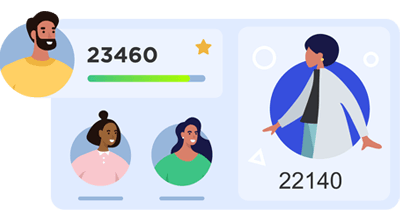
The magic of a real-time leaderboard lies in its ability to create “micro-urgency.” A monthly report is a static document that people look at once and then forget, but a live leaderboard is a living, breathing entity. When a rep sees they are only two calls away from jumping into the top three, their behavior changes instantly. They don’t take that extra-long coffee break; they make those two calls. It turns a marathon into a series of exciting sprints.
Spinify takes this a step further by making the leaderboard the centerpiece of the sales floor. When a rep’s rank changes, it isn’t just a number moving; it’s a visual event. This constant feedback loop reinforces positive habits. Because the feedback is immediate, the “win” is tied directly to the action that caused it. This creates a powerful behavioral trigger: “If I do X, I see my name rise on Y.” It’s that instant gratification that keeps energy high from 9:00 AM to 5:00 PM.
Does Gamification Motivate Middle and Bottom Performers?
A common “myth” is that leaderboards only reward the “superstars” while demoralizing everyone else. If your leaderboard only shows the top three reps, that’s a fair critique. However, Spinify solves this by using segmented competitions. Instead of having your new hires compete against your 10-year veterans, you can create “leagues” where reps compete against peers with similar experience levels or targets. This ensures that everyone has a realistic path to the podium.

By focusing on “Most Improved” or “Activity-Based” leaderboards, you give your middle- and bottom-performing teams a reason to stay in the game, which is especially powerful for SaaS sales gamification platforms that boost performance. When a mid-tier rep sees they are winning the “Meetings Booked” sprint even if they aren’t the top revenue earner yet, it builds the confidence they need to keep growing. This “level-playing field” approach is why AI-driven gamification delivers the biggest performance gains in the “middle 60%” of a sales team, not just at the top.
How Does Spinify Sustain Motivation Over Time?
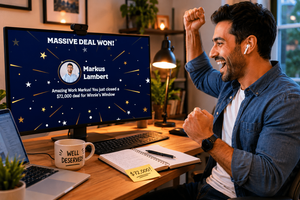
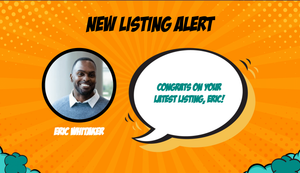
One-off contests are like a shot of espresso; they provide a quick jolt but wear off fast. Spinify sustains motivation by creating a consistent recognition cadence. It isn’t just about the “Big Win” at the end of the quarter; it’s about the automated “shoutouts” for daily milestones and the badges earned for consistent effort. This steady stream of feedback ensures that the platform remains a part of the daily culture rather than a passing fad.

Our AI Coaching and Sidekick features play a huge role in longevity by keeping the goals fresh, similar to the capabilities showcased in our Spinify demo center for coaching and motivation. The AI looks for “stale” performance and suggests new, personalized challenges to get a rep back on track. By automating the competition cycle, managers don’t have to manually “invent” excitement every week. The system handles the heavy lifting, ensuring that there is always a new goal to chase, a new badge to earn, and a new reason for the team to stay engaged for the long haul.
What Results Do Sales Teams Report After Using Gamification?
The numbers speak for themselves. Sales teams using Spinify typically report a 20-30% increase in activity levels (calls, closing deals, emails, and meetings) within the first few months, results that are echoed across many case studies in our best of Spinify resources archive. For example, companies like Monster and Hewlett Packard Enterprise have utilized gamification to drive specific sales behaviors, resulting in clearer visibility and higher engagement across their global teams. When the “boring” parts of the job become part of a game, those activity numbers naturally climb.
Beyond just “more calls,” teams see a direct impact on the bottom line. It’s common for users to see a 30%+ lift in total revenue simply because the software reduces “leaky buckets” in the sales process, like slow lead follow-ups or neglected CRM entries. By making the process transparent and rewarding, managers find they spend less time “nagging” for updates and more time coaching their reps toward those record-breaking months.
Does Gamification Make Employees Happier?
To break away from the monotony of routine tasks, there is gamification.
Gamification can boost morale by making work more enjoyable and rewarding for sales teams, especially when you apply structured sales gamification badges and motivation strategies.
Recent surveys have noted that gamification not only increases workplace productivity but also engages employees and helps retain talented people for longer. Gamification techniques can also boost employee engagement, leading to greater motivation and participation. Surprise rewards for completing milestones can keep energy high during long sales cycles.
According to recent gamification studies, around 48% of employees agree that gamification increases engagement, and 72% say it inspires them to work harder. Additionally, 89% of employees feel more productive when work is gamified.
As they say, happy employees make the company happy.
So if you want to increase your productivity and, consequently, your revenue, you need to hop on the gamification bandwagon!
Why Does Gamification Affect Employees’ Intrinsic Motivation?
Humans are social beings who need validation to feel satisfied with their work. While promotions and extrinsic rewards like bonuses are common, relying too much on these can weaken intrinsic motivation and learning. Gamification balances this by offering instant gratification through rewards, virtual recognition, and opportunities for personal growth. It taps into behavioral economics and human behavior to effectively motivate sales teams.
Key motivators include:
- Rewards and recognition that employees seek are often displayed through leaderboards, which encourage top performance.
- A sense of control as employees progress and earn rewards.
- Clear daily goals and action cues that guide improvement.
- Immediate recognition of small wins to maintain energy during pressure.
- Friendly competition fostered by leaderboards and rankings, promoting teamwork and continuous improvement.
- Teamwork is encouraged by assigning tasks to groups working toward shared rewards.
- Transparency and accountability, with everyone aware of others’ progress.
Real-time feedback and gamified elements like rewards, points, challenges, and leaderboards help reinforce positive behaviors and build lasting engagement. Ultimately, gamification enriches the daily experience of sales professionals, fostering emotional engagement and long-term commitment.
How to Make Gamification Work for Your Company
If you think gamification is just what the doctor ordered, here’s what you need to know to get started:
Sales gamification strategies are essential for motivating sales teams and boosting performance, but they need careful planning in order to avoid pitfalls. For example, gamification may fail if you set ambitious up- and cross-selling goals but implement them poorly.
1. Define clear goals and metrics. Set specific, measurable objectives and use progress tracking to monitor effectiveness. Break large targets into smaller, gamified milestones to make goals more attainable.
2. Choose the right tools. Pick gamification software that integrates directly with your CRM and automates incentive programs by tracking progress and broadcasting celebrations.
3. Use gamification mechanics. Incorporate points, badges, leaderboards, and other game elements to engage your team and drive desired behaviors.
4. Run sales contests and challenges. Organize structured, time-sensitive competitions to boost focus and morale, while ensuring they foster collaboration rather than toxic competition.
3.1 Identify Your Gamification Strategy and Goals
Start with your goals in mind; what is the purpose of your gamification strategy?
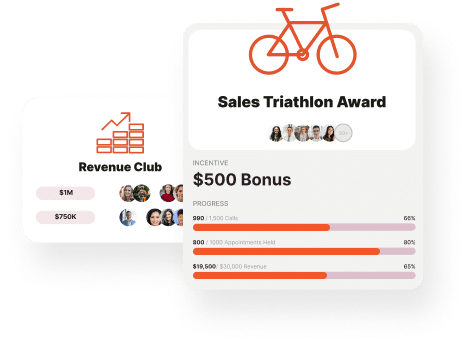
You should start by working backward from your gamification goals to figure out the best methods and processes. Try making progress visible with things like progress bars and levels, it’s super important because it helps employees actually see how they’re doing, which naturally boosts motivation and keeps them engaged. Also, by using insights from behavioral economics, you can make sure your gamification strategy really clicks with your business goals and effectively fires up your sales team by understanding how people think and make decisions.
3.2 Consider Your Employees
Think about and understand what gamification will look like for your employees to improve user adoption. Consider gamification’s impact on your employees and how effective it will be for your business.
For example, Spinify’s gamified sales leaderboards let you fully customize the view for your company’s vibe, and they’re easy to use. Mobile apps for sales gamification enable salespeople to play, compete, and receive feedback from anywhere, making them especially beneficial for remote or field-based teams. Involving the whole team in gamification, such as through team-based challenges, fosters a sense of community among sales professionals and helps build collective pride and motivation.
3.3 Pick the Right Sales Gamification Software
Picking the right gamification software is key to successfully implementing gamification at your office and leveraging it to increase your team’s productivity and engagement. It’s important to choose sales gamification software that integrates seamlessly with your sales workflows, offers real-time recognition, and supports both in-office and remote sales reps.
How to Get Started with Sales Gamification in Under 24 Hours
You don’t need a month-long implementation plan to start winning! Getting started with Spinify is a simple three-step sprint. First, connect your CRM (Salesforce, HubSpot, etc.) via our secure and simply integration settings option. This allows your live data to flow into the platform in real-time, just as you would when creating sales dashboards in Excel and other tools with Spinify. Secondly, invite your team quikly and efficiently directly inside your Spinify Users page. You can upload them individually, by Bulk Upload using a CVS file, or even directly through your CRM with auto-provisioning (available currently with Salesforce and PowerBI).
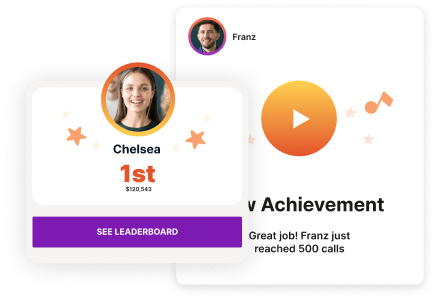
Finally, launch your first competition! Configure your first leaderboard by selecting the KPIs that matter most to your business right now, whether that’s “Demos Completed” or “Monthly Revenue Aquired.” You can use our pre-built templates to have a professional-looking contest ready in minutes. Once you hit “Live,” the software takes over: calculating scores, triggering celebrations, and updating the office TVs. By the time you come in the next morning, your team will already be checking their ranks. It’s that fast to turn your sales floor into a high-performance arena.
Let Spinify Take the Wheel!
With a completely gamified sales dashboard, Spinify helps you motivate employees and monitor performance with features like leaderboards, contests, performance insights, and personalized scorecards. Our platform is mobile-friendly and equipped with instant notifications and team-based leaderboards, boosting engagement by tracking KPIs from calls to targets. You can display leaderboards on office TVs to recognize top performers and encourage positive behaviors across the team, one of many creative ways to use a gamified sales dashboard. This real-time visibility enables sales managers to provide swift, targeted support and keep everyone motivated.
Get Started With Spinify Today!
FAQ’s
Does gamification software replace my CRM, or does it work alongside it?
Gamification software complements your CRM by turning its data into engaging visuals that motivate reps and skyrocket their productivity. Instead of replacing the CRM, it encourages reps to keep their data accurate and up-to-date by rewarding activity with leaderboard recognition and custom celebrations, making CRM entry less of a chore and more of a game.
What data does sales gamification software use to build leaderboards?
Sales gamification software is highly flexible, pulling data points such as calls made, emails sent, meetings booked, and revenue closed directly from your CRM. It can also track detailed KPIs, such as meetings booked or call duration. Beyond CRM data, it can integrate with spreadsheets and communication tools, meaning you can create leaderboards that reflect the specific behaviors driving your team’s success.
Can sales gamification software work for remote and hybrid sales teams?
Absolutely! For remote teams, gamification serves as a sort of “digital glue” that keeps culture alive. Spinify’s integrations with Microsoft Teams and Slack send company-wide notifications, including personalized celebration videos, whenever a remote rep hits a milestone. You can keep your remote reps connected via mobile apps or web browsers, while hybrid teams can sync office TV displays with mobile and browser alerts, ensuring everyone shares the same live competition experience regardless of location.
Is sales gamification software secure and enterprise-grade?
Yes. Spinify is SOC 2 Type II compliant, ensuring top-tier SaaS security with audited controls, as well as using AES-256 encryption for data at rest and TLS for data in transit. We also offer Single Sign-On (SSO), role-based access controls, and IP whitelisting with full control over data sharing. Integration with your existing tech stack prevents the creation of redundant or insecure data silos.
How is sales gamification software different from a simple spreadsheet leaderboard?
Unlike static spreadsheets that show past data and require manual updates, sales gamification software offers automated, real-time updates with engaging themes, personalized triggers, and AI insights. It actively motivates and guides sales reps, turning data into dynamic, actionable feedback, serving as an instant productivity booster.