If you work in sales or marketing, the term “sales funnel” probably rings a loud bell. But let’s be real, putting sales funnels into practice is still a bit of a mystery.
In this article, we’re going to demystify sales funnels and show you how you can use them to increase your sales.
Let’s take a look!
What Is a Sales Funnel?
A sales funnel is a visual model that maps out the stages a lead moves through on their way to becoming a paying customer, from first hearing about your product to making a purchase. In simple terms, sales funnels show you exactly where prospects are in their buying journey, and where they tend to drop off.
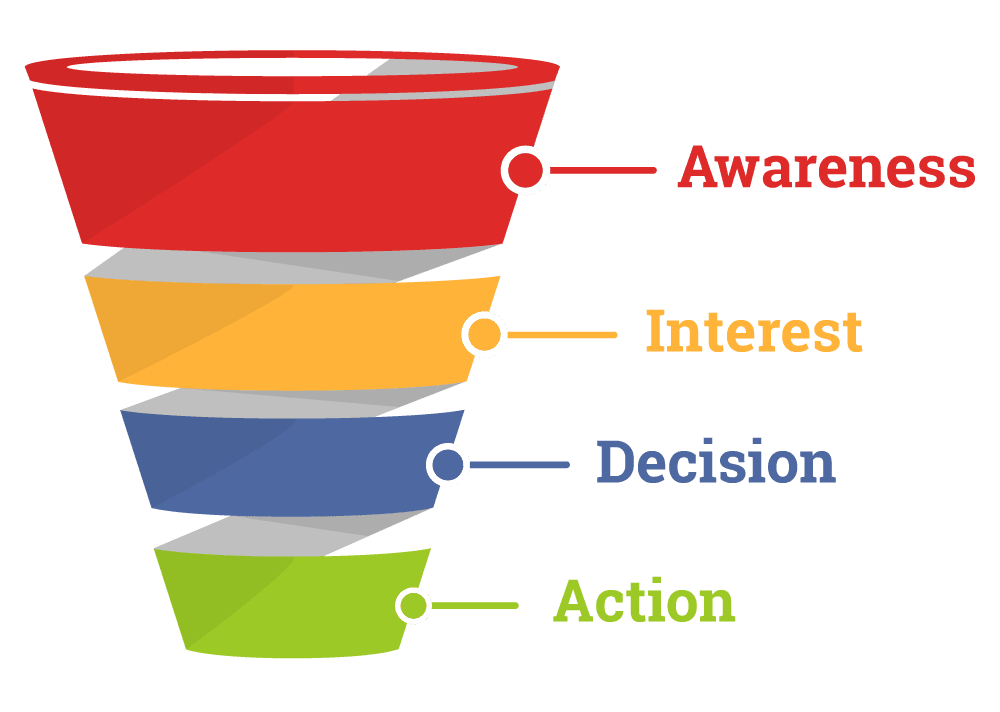
Source: MailMunch
It’s called a funnel because normally, a lot of people enter the process at the awareness stage, with only a few converting into paying customers by the end.
Sales Funnel Stages
Speaking of stages, there are 4 main sales funnel stages:
- Awareness – The lead is first hearing about your product, and what it can do.
- Interest – The lead is showing interest in your product because they believe it can solve their problems.
- Decision – The lead is paying more attention to details, as well as comparing your product to alternatives.
- Action – The lead turns into a customer.
There are additional stages, as well, depending on the interpretation and your unique business needs.
Our general advice is including stage no.5 as well:
- Retention – This stage is focused on motivating your customers to increase their lifetime value, as well as refer their friends.
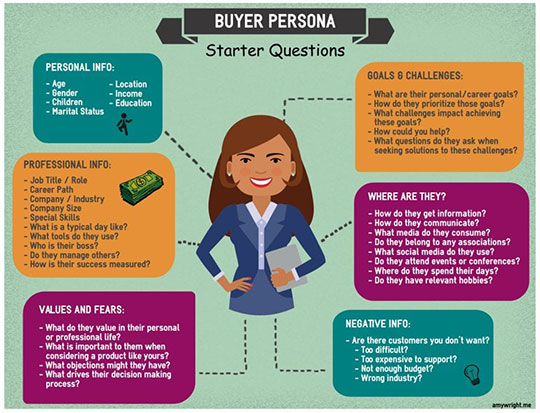
The key to understanding your sales funnel is understanding your customers.
Conduct extensive audience research and create buyer personas.
Chances are, your current customers have similar behavioral patterns to those of your future customers.
Source: Good to SEO
Sales Funnel Meaning: Putting Sales Funnel Stages into Practice
In simple terms, the meaning of a sales funnel comes down to this: it visually represents how customers move through your buying process, from the moment they discover you to the moment they purchase. A typical sales funnel model includes four to five stages, each representing a different point in the customer’s decision-making journey.
- Awareness Stage
Awareness is focused on lead generation, so preferred methods here are:
- Cold outreach
- Inbound attraction
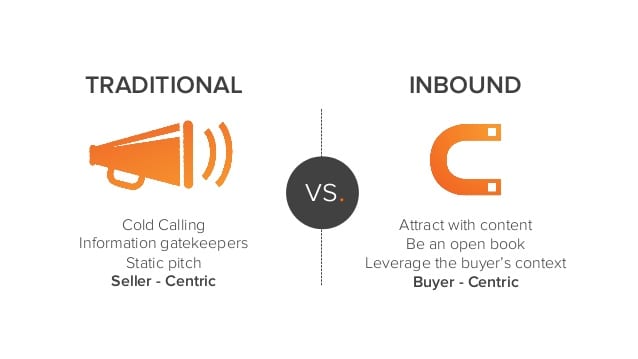
For example, you may invest into a PPC campaign, or have your sales reps use LinkedIn Navigator to find qualified leads and get in touch with them.
On the other hand, we have the inbound approach. The goal here is to help your target audience, potential customers, and website visitors discover your product or service during initial awareness.
Sales teams typically do this through SEO, or Google PPC advertising, by targeting high-converting keywords.
Source: WOW Consulting
At this point, marketing efforts can also include social media marketing, email marketing campaigns, and marketing automation to support organic traffic.
2. Interest Stage
Lead magnets are a powerful solution for attracting qualified leads.
In this funnel stage, prospective customers engage, research solutions, and use educational content to learn more.
Typically, your leads fill out their contact information in exchange for the lead magnet (e.g. eBooks, case studies relevant to the lead type, etc.).
This allows you to start the process of lead nurturing.
At this point, you should add your leads to your CRM so you can nurture them towards conversion. Typically, through email marketing or communication with your sales reps. Marketing-qualified leads become sales-qualified leads when they show stronger intent and move to the next stage.
3. Decision Stage
In this stage of the buyer’s journey, prospects are in the consideration part of the process and compare options, features, and the company’s offerings.
At this stage, it’s important to convince your leads that your product is better than competitors’ products.
Helpful approaches are:
- Sending offers that emphasize benefits
- Communication with key leads to understand their unique needs, and then showing them how your product can solve their problems
- Sending hyper-targeted case studies that demonstrate how your product solves the problems of customers like your leads.
Relevant messaging and early objection handling in a well structured sales funnel can improve conversion rates before the final purchase.
4. Action Stage
Carefully tailored offers are crucial at this stage.
In B2B spaces, this may require convincing top management, or providing your prospect with the materials necessary to convince their higher-ups (decision-makers).
5. Retention Stage
This final stage focuses on customer satisfaction, customer success, and customer retention after purchase, which is where a dedicated sales gamification platform for SaaS teams can help sustain motivation and performance.
Create a structured onboarding program, have your reps follow up with customers, and offer them other products that fit their needs.
Personalized follow-ups and regular check-ins help create satisfied customers, strengthen relationship building, and encourage word of mouth or word of mouth marketing.

Monitoring Your Sales Funnel
Once you’ve modified your sales funnel to follow the behavior of your customers, it’s time to monitor your performance, often by building sales dashboards in Excel or other tools. Many teams miss this step—68% of businesses fail to measure their sales funnels.
Some of the most important KPIs sales teams can use to monitor the health of their sales funnels are: tracking each stage gives data driven insights and valuable data about customer behavior, especially when surfaced through sales tracking leaderboards and software. It also helps identify bottlenecks, improve forecast accuracy, and support sales forecasting through structured funnel tracking.
Awareness Stage KPIsTop-of-funnel indicators include website traffic, new leads, and lead generation.
- Website visits
- Social media traffic
- Advertising traffic
- Lead acquisition cost
- Response rate
- Contact rate
Interest Stage KPIsThe funnel is different from the sales pipeline, which tracks individual sales and deal progress through the sales cycle.
- Landing page performance
- Landing page conversion rate
- Qualification rate
- Lead to Interest rate
Decision Stage KPIs
- Follow-up rate
- Sent offer rate
- Research to response rate (How much time do your reps spend researching prospects vs. How many responses do they get?)
Action Stage KPIs
- Conversion rate (across the funnel, and by stages)
- Cost of customer acquisition
- Total customers and growth
- Total revenue won (and revenue won by revenue sources)
An effective sales funnel can improve conversion rates and marketing efficiency, including through marketing automation, better acquisition cost estimates, and strategic ways to increase sales performance.
Retention Stage KPIs
- Referral rate
- Follow-up rate
Referral performance matters because companies with formal referral programs generate about 40% of leads, especially when they pair referrals with high-impact sales incentive prizes.
Create and Maintain Great Sales Funnels with Spinify
Spinify can help you create and maintain a high-performing sales funnel by using sales team engagement gamification to keep reps focused on the right activities.
As a gamified sales dashboard, Spinify both motivates your employees to perform necessary tasks while allowing you to understand their performance through sales gamification software solutions, refine sales methods, sharpen sales strategies, and use data-driven insights to optimize the sales team.
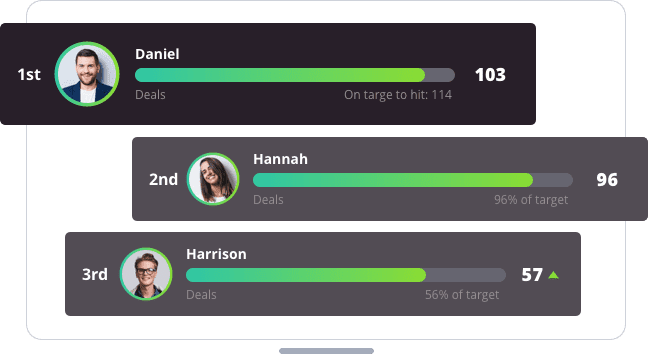
After all, Spinify lets you see how your sales funnel is performing while providing sales coaching tools with gamification to help your team improve their results.
And when you can see it, you can improve it, especially with access to Spinify’s interactive demo center to explore how the platform supports your funnel.
Check out Spinify now and explore creative ways to use your sales dashboard to motivate and engage your team.
What is a sales funnel?
A sales funnel is a model that shows how potential customers move through different stages, awareness, interest, decision, and action, on their way to becoming paying customers. It’s called a “funnel” because more people enter at the top than convert at the bottom, which helps sales and marketing teams visualize and improve that conversion process.
What does “sales funnel” mean in marketing and sales?
In marketing and sales, a sales funnel refers to the customer journey from first contact to final purchase. The term reflects how prospects get filtered down at each stage, awareness, interest, decision, and action, with only a portion moving on to the next, much like liquid narrowing through a funnel.