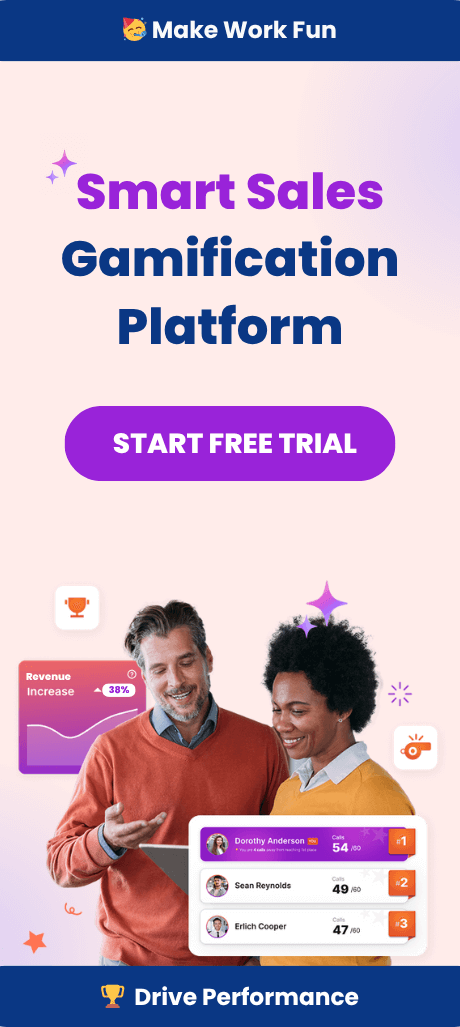
In boardrooms and on remote screens, the question of how to nurture and sustain employee engagement continues to dominate leadership discussions. As the structure of work evolves, driven by hybrid arrangements, dynamic talent markets, and digital fatigue, organizations are seeking new methods to rekindle motivation and foster connection. One approach, once considered novel, is now making a profound impact: gamification. Far beyond badges or points, gamification is influencing how enterprises design performance management, shape company culture, and build high-performing teams.
Why Gamification Has Captured the Modern Enterprise

Every executive recognizes that employee disengagement is a silent killer. It erodes productivity, saps innovation, and amplifies turnover. Traditional levers—bonuses, town halls, routine surveys—rarely shift the needle for more than a quarter or two. As organizations chase sustainable engagement, they are finding that gamification offers something fundamentally different. Rather than layering extrinsic rewards atop existing structures, gamification rewires how people interact, driving buy-in through clear goals, immediate feedback, and meaningful recognition.
Research highlights that gamification, deployed thoughtfully, can unlock real participation. This is particularly important for leaders seeking to rally dispersed teams or support a culture of continual improvement. Whether woven into company culture or embedded in day-to-day tools, gamification helps bridge the gap between aspiration and ongoing action.
How Gamification Influences Engagement
Gamification is not a gimmick. Its power lies in psychology—specifically, the innate drives for achievement, status, and collaboration. Modern employee gamification platforms transform metrics like sales performance or customer service into clear objectives with transparent progress. This approach benefits organizations by:
- Making abstract goals tangible: Leaderboards and goals clarify what ‘good’ looks like and help individuals see where they stand.
- Delivering instant feedback: Real-time dashboards allow employees and managers to course-correct without waiting for quarterly reviews.
- Fostering positive competition: Friendly rivalry stimulates effort and fosters a collective sense of achievement.
These are not just theoretical advantages. Technology has made it possible to use customizable leaderboards, personalized challenges, and point systems that fit a team’s unique DNA. For executives, the best gamification platforms provide the infrastructure to measure impact, adapt experiences, and guide organizational change—not just tally up win counts.
Best Practices for Deploying Employee Gamification
Despite its promise, gamification can falter without strategic intent. To avoid common pitfalls, leaders must first articulate the underlying purpose behind engagement initiatives. Is the aim to drive new behaviors, reduce attrition, boost team collaboration, or increase specific KPIs?
To lay the groundwork for success, consider the following tactical steps:
- Align gamification with organizational values: Engagement programs must reflect—and reinforce—the broader culture, not create a parallel incentive system.
- Embed within daily workflows: The most successful platforms sit alongside CRM or communication tools, so participation becomes seamless.
- Continuously iterate: Winning teams adapt their gamification strategy using clear metrics, qualitative feedback, and periodic refreshes of challenges and rewards.
Executives who lead with clarity, measure outcomes, and partner with employees in program design consistently achieve superior engagement results.
The Shift Toward Employee Gamification Platforms
The rise of employee gamification platforms such as Spinify, Kazoo, and others signals maturation in this domain. Modern solutions are far more than simple points systems. They come equipped with customizable challenges, integrations with sales and support workflows, and built-in analytics on employee engagement levels. Some solutions, like Spinify, focus specifically on turning sales and performance KPIs into motivational experiences, giving leaders fine-grained control to adjust rewards, recognition types, and competitive structures.
Such platforms answer a pressing need: how to engage employees—at scale—without overwhelming managers with busywork or impersonal systems. The best employee gamification platforms leverage AI-driven recommendations, real-time recognition, and easy configuration to meet the unique needs of every business unit.
Measuring the Impact of Gamification on Engagement

Many organizations deploy engagement management software without tying adoption to specific business KPIs. But veteran executives understand that success requires more than raw participation numbers. A mature approach to measurement considers:
- Productivity gains and goal attainment
- Changes in turnover, absenteeism, or retention rates
- Shifts in eNPS (employee Net Promoter Score) or satisfaction metrics
Gamification platforms excel here, surfacing not only quantitative KPIs but also qualitative signals—who feels recognized, who drives team morale, or who consistently overperforms. These insights enable more precise, adaptive leadership and support succession planning, performance coaching, and culture-building.
Gamification for Remote Engagement
The trend toward hybrid and fully remote work models has rendered traditional engagement levers less effective. Leaders, especially those overseeing global Salesforce teams or decentralized contact centers, report challenges with cohesion, motivation, and timely feedback.
Gamification naturally lends itself to bridging geographic divide. Through virtual competitions, remote sales team leaderboards, and interactive contests, organizations replicate the camaraderie and accountability of in-person teams. Elements such as digital badges, team challenges, and virtual celebrations sustain a shared identity and keep distributed contributors invested. Modern gamification ensures that recognition is no longer linked to office presence, but to achievement and participation regardless of location.
Case Study: Gamification in Sales Performance
The sales environment has become a natural proving ground for gamification because of its data-driven, competitive nature. When implemented thoughtfully, gamification in sales delivers measurable impact on activities such as lead follow-ups, cross-selling efforts, or onboarding speed. For instance, companies using solutions like Spinify report upticks in pipeline activity, more predictable revenue attainment, and notably lower rep turnover.
Beyond simple competition, effective gamification also supports coaching and development. Teams use customized challenges to reinforce playbooks, foster peer learning, and keep experienced contributors engaged long after initial onboarding. To see a detailed exploration of coaching’s intersection with gamification, visit Transformative Sales Coaching Tactics for Fast Results.
Beyond Sales: Expanding Gamification’s Reach
The influence of employee gamification is not confined to the sales floor. Modern engagement management software allows people & culture teams to recognize unsung contributors, drive learning initiatives, and celebrate cross-departmental wins.
For example, onboarding programs enhanced with gamified milestones help new hires ramp quickly and ease the anxiety of early performance expectations. Collaborative challenges encourage knowledge sharing, while transparent recognition systems build a sense of fairness and transparency. Finance, HR, and even engineering teams are leveraging customizable leaderboards and contest ideas to spur results in unique ways, such as through project launches or client satisfaction scores.
Choosing an Employee Gamification Platform: What Leaders Need to Know

Executives weighing options for employee engagement platforms should consider several factors to ensure long-term value. Some of the most crucial questions to ask include:
- Customization and scalability: Does the system adapt as your business grows, and can it reflect your unique culture?
- Integration: Will the platform fit smoothly alongside existing sales, HR, or communication systems?
- Data and analytics: Does it provide actionable insight, including real-time leaderboards, individual and group KPIs, and feedback loops?
- Experience design: Does the user interface foster sustained participation without becoming burdensome?
- Security and compliance: How are privacy and data protection handled across global teams?
Choosing the right solution also means considering ease of administration. Leaders benefit from platforms that minimize setup friction and support experimentation with new forms of motivation. For those ready to explore, a Spinify demo can provide a hands-on introduction to modern best practices.
The Human Element in Digital Engagement
Behind every leaderboard or points system is a simple truth: engagement is about people, not just numbers. The most sustainable gamification efforts empower individual contributors and provide managers with direct feedback and insight. They avoid reducing work to a mere contest, instead nurturing intrinsic motivation by spotlighting effort, learning, and progress.
Organizations that invest in development—through coaching, recognition, and genuine connection—always outperform those focused solely on metrics. For further reading on effective recognition strategies, see The Power of Employee Recognition: Why It Matters More Than Ever.
Common Pitfalls and How to Avoid Them
With momentum building, it is easy to overengineer gamification journeys or mistake novelty for true engagement. Leaders must watch for these traps:
- Focusing solely on competition: Healthy rivalry is productive, but overemphasis risks creating silos or resentment.
- Neglecting underperformers: Well-designed platforms help lift all boats by setting achievable milestones, not just rewarding top performers.
- Lack of ongoing communication: Transparency and regular updates maintain buy-in, especially when teams are distributed.
Effective programs balance competition with community, short-term achievement with long-term development, and digital engagement with authentic relationships. For a deeper dive into data-driven gamification approaches, see Data Driven Sales: How to Strategize Smarter with Gamification Techniques.
Looking Forward: The Enduring Value of Gamification in Engagement
As economic, technological, and generational shifts reshape business, the least negotiable asset remains employee engagement. Gamification, in all its modern forms, offers leaders a versatile lever to capture attention, inspire progress, and connect distributed talent. Whether deployed for sales KPIs, onboarding, or culture-building, gamification is proving essential in creating high-performing, cohesive teams.
The future belongs to organizations that recognize engagement as a continuous journey rather than a one-off event. By investing in strategic, people-centered gamification and leveraging robust platforms such as Spinify, executives can fuel not only performance but sustained loyalty and innovation.
Those ready to reimagine what engagement can achieve should consider starting with a Spinify free trial, gaining firsthand experience in how employee gamification can propel results—and redefine what it means to thrive at work.