Understanding Gamification in Sales
As organizations navigate the competitive landscape of 2026, sales teams are increasingly turning to gamification to drive engagement, boost motivation, and enhance performance. Gamification, the application of game design elements in non-game contexts, has proven to be an effective strategy for influencing behavior and fostering a culture of achievement.
Sales teams that successfully integrate gamification into their processes often see an uptick in productivity and morale. However, implementing these strategies can sometimes be perceived as costly. Fortunately, there are numerous affordable gamification options that provide significant returns on investment without straining the budget.
Why Gamification Matters in Sales
In a data-driven world, it’s crucial to motivate teams in ways that create energy and drive. Gamification achieves this by tapping into fundamental human desires for rewards, recognition, and a sense of accomplishment. By making sales activities more engaging, gamification transforms repetitive tasks into exciting challenges, fostering a competitive yet collaborative environment.
In 2026, as the workplace continues to evolve with hybrid and remote teams, gamification offers an opportunity to bridge the gap. It aids in keeping teams connected and motivated regardless of their physical location.
Five Budget-Friendly Gamification Strategies
1. Leaderboards and Recognition
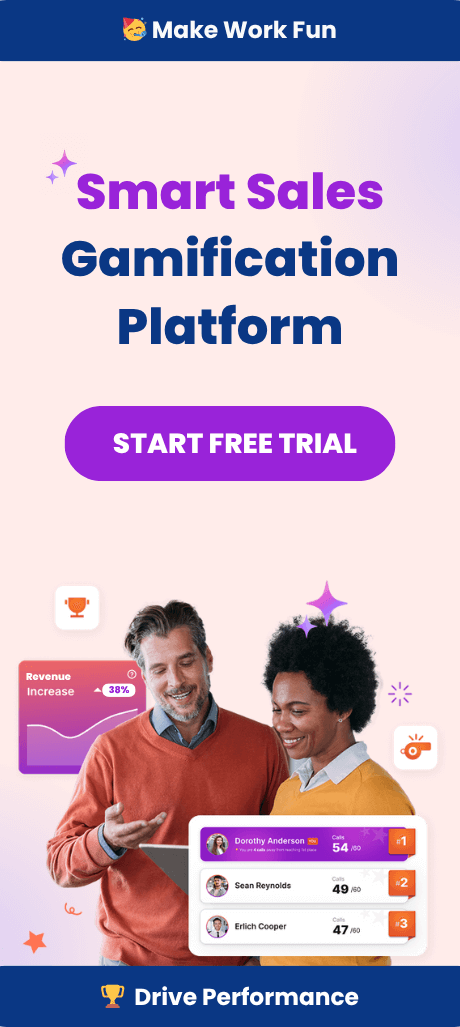
Among the most cost-efficient methods, leaderboards offer an immediate competitive atmosphere. Sales reps can see where they stand in comparison to colleagues, spurring them to increase their efforts. The visibility of achievements promotes friendly competition and peer recognition.
- Implement digital leaderboards that update in real-time.
- Recognize weekly or monthly top performers with badges or titles.
- Promote transparency, encouraging everyone to understand their performance metrics.
Consider using platforms like Spinify, which specialize in creating dynamic leaderboards that connect seamlessly with your CRM.
2. Points and Reward Systems
Assigning points for reaching sales milestones is an effective and low-cost way to gamify processes. Points can be accumulated for various activities, such as closing deals, setting appointments, or even completing training sessions.
- Set up a point system aligned with business goals.
- Offer meaningful rewards such as gift cards, additional time off, or recognition in company meetings.
- Ensure the reward system is fair and consistent.
This system incentivizes adherence to productive behaviors, boosting overall efficiency and morale.
3. Sales Contests
Periodic sales contests can energize teams and inspire competitive spirit without significant expenditure. Themes or goals should align with business objectives to ensure the contest promotes valuable outcomes.
- Use creative themes like “race to the finish” or “most creative pitch”.
- Set clear goals and rules to maintain fairness.
- Allocate small budget for fun prizes or team outings to celebrate successes.
“Engaging in sales contests not only spikes productivity but helps discover new avenues for sales strategy refinement,” industry experts suggest.
4. Skill-Building Games
Enhancing skills through games can be both entertaining and enriching. Implementing activities like role-playing scenarios or trivia quizzes related to product knowledge fosters a spirit of learning and camaraderie.
- Create quizzes using existing knowledge bases or materials.
- Implement time-trials or group competitions to enhance fun.
- Offer recognition for learning milestones, reinforcing continuous improvement.
These games not only increase knowledge but encourage employees to engage with material in new ways.
5. Virtual Badges and Certifications
Acknowledging accomplishments with virtual badges or certificates provides a sense of pride and succession. These can denote expertise in certain areas or completion of training modules.
- Design badges that reflect company branding.
- Integrate badges with a professional network like LinkedIn for public recognition.
- Leverage these as criteria in employee reviews and promotions.
This system builds a credential-rich environment that fosters a sense of achievement and professionalism.
Measuring Success and ROI
To ensure the success of these budget-friendly solutions, it’s crucial to measure and analyze their impact systematically. Metrics could include an increase in sales numbers, higher engagement rates, or improved knowledge retention.
Feedback loops and regular assessments provide insights into which gamified elements are most effective, reinforcing successful strategies while refining others. Establishing clear KPIs for each gamification element helps maintain focus and demonstrate tangible benefits to stakeholders.
Conclusion: Adapting to Evolving Needs
The accessibility of budget-friendly gamification strategies allows sales teams to foster a motivated and engaging workplace environment without requiring substantial investments. By adapting to these evolving needs with intelligent choices, businesses ensure they’re not only keeping up with trends but setting the pace.
Tools like Spinify allow organizations to seamlessly integrate gamification into their existing systems, providing scalable solutions that grow with your business needs. Consider booking a demo or starting a trial to see how these solutions can transform your sales activities.
As businesses continue to incorporate technology into their sales strategies, the ongoing evolution of gamification offers endless possibilities to improve engagement and performance.