#1 Sales Gamification on G2 — 4.6★ from 854+ verified reviews.
  Log in
The Rise of Gamification in Sales
In the rapidly evolving landscape of sales and marketing, gamification has emerged as an effective strategy to drive engagement and performance. By introducing game mechanics into non-game environments, businesses aim to motivate teams, enhance productivity, and ultimately boost sales. As we navigate 2026, the focus on gamification continues to grow, not just for its efficiency but also for its cost-effectiveness.
Understanding Gamification: Beyond Buzzwords
Gamification isn’t a new concept, but it has taken center stage as businesses seek innovative ways to keep their teams motivated. The essence lies in tapping into human psychology—leveraging competition, achievement, and recognition to foster an environment where employees are not only engaged but also driven to excel.
For sales teams, in particular, gamification transforms routine tasks into compelling challenges. It’s about instilling a sense of accomplishment, where every activity, from client calls to meetings, becomes an opportunity to score points or earn badges, thereby enhancing team morale and performance.
Why Gamification Works: The Psychology Behind It
The effectiveness of gamification is rooted in psychological principles. At its core, it capitalizes on the intrinsic motivations of individuals:
- Competition: Healthy competition encourages employees to push their limits, striving to outperform their peers.
- Rewards: Tangible rewards or recognition serve as powerful motivators, fulfilling the human need for appreciation and acknowledgment.
- Progress Tracking: Providing visual feedback on progress helps individuals see how far they’ve come, which can be an incredible motivator to keep going.
- Social Interaction: Social elements, such as leaderboards, facilitate a sense of community and belonging, encouraging peer support and collaboration.
Strategies for Low-Cost Gamification
Despite its benefits, gamification doesn’t have to be an expensive endeavor. Numerous cost-effective strategies can be implemented to enhance your sales operations:
1. Point Systems and Leaderboards
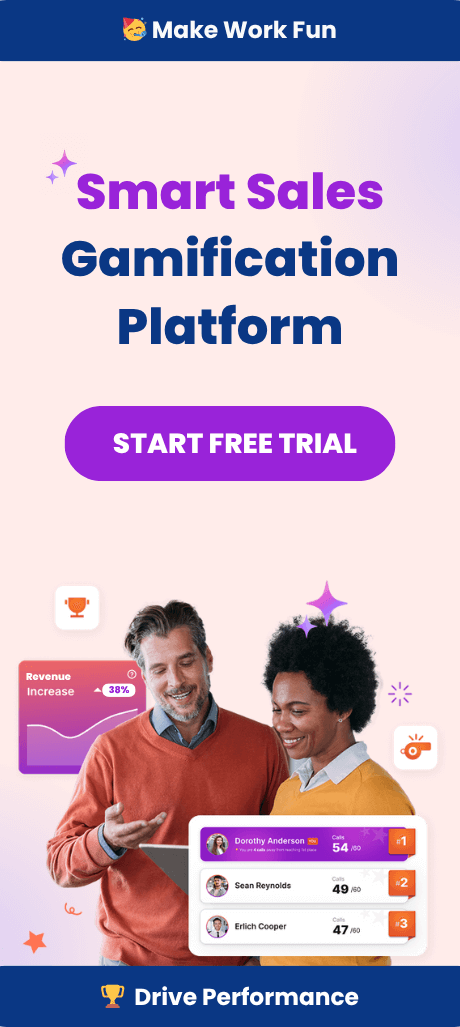
Implement a simple point system where sales actions are rewarded with points. Tie these to a leaderboard that reflects real-time standings. This approach encourages friendly competition and provides instant recognition for efforts.
2. Achievement Badges
Award badges for specific milestones reached—be it the number of sales calls made or new clients acquired. This visual acknowledgment can significantly boost morale.
3. Team Challenges
Create team-based challenges where sales groups work to achieve common goals. This not only enhances camaraderie but also leverages collective intelligence and skill.
“Team challenges have reshaped our sales dynamics, boosting morale and unity among team members.”—Sales Team Lead, Fortune 500 Company
Tools to Amplify Gamification
To support these strategies, consider these low-cost tools designed to enhance gamification:
Spinify
Spinify offers a diverse suite of gamification tools tailored to inspire and engage sales teams. With capabilities for leaderboards, challenge customization, and progress tracking, Spinify is an affordable solution that seamlessly integrates with your existing systems.
Book a Demo or Start a Trial to explore its potential.
Budget-Friendly Software Options
Several platforms provide free or low-cost options to implement gamification. Look for those that offer essential features like score tracking, achievement displays, and team collaboration without the hefty price tag.
Measuring the Impact: Beyond Sales Numbers
The success of gamification isn’t solely reflected in sales figures. It’s measured by employee satisfaction, engagement levels, and the fostering of a dynamic sales culture. Regular feedback and adjustments based on team input can enhance the gamification process, ensuring it remains relevant and effective.
Discover more about how Spinify can support your gamification strategies.
The Future of Gamification in Sales
As we look ahead, the potential for gamification continues to expand. Integration with AI and personalized game mechanics promises to take engagement to new heights. Sales leaders must remain agile, adapting these tools and strategies to fit evolving team dynamics and industry standards.
Incorporating gamification effectively into your sales and marketing strategies doesn’t require extravagant budgets. With creativity and the right tools, sales teams can be motivated and engaged, leading to improved performance and job satisfaction.