
Business leaders with strong leadership skills and the right personality traits play critical roles in high positions. As a chief executive officer, board member, or director, your leadership skills can often make or break a business. This post is for aspiring and current business leaders, managers, and entrepreneurs looking to learn from the best. We will cover the most prominent business leaders of the last century and the qualities that set them apart. Understanding what makes these leaders successful can help you develop your own leadership skills and drive meaningful change in your organization. While there are many business leaders worldwide, some tend to stand out more than others.
Over the last century, leadership styles have evolved significantly, with influential figures like Jack Welch driving major transformations in business practices. When you look at influential business leaders, you can get inspired by their actions, how they do it, and who they are. This post is dedicated to the most prominent leaders of the business world. We will focus on today and look at business leaders who have made waves until now.

Leadership Styles
Leadership styles among influential business leaders are as diverse as the industries they shape. While every great business leader brings their own unique approach, certain traits—such as strategic vision, adaptability, and the ability to motivate employees—are consistently present in those who achieve lasting business success.
Take Steve Jobs, the legendary co-founder of Apple, whose transformative leadership style was defined by relentless innovation and a singular focus on design excellence. Jobs inspired teams to push boundaries and reimagine what technology could do, setting a standard for creativity and bold thinking in the tech industry. His leadership style was visionary and sometimes demanding, but it fostered a culture where breakthrough ideas could flourish.

In contrast, Mary Barra, CEO of General Motors, exemplifies a more collaborative leadership style. She is known for her commitment to teamwork, open communication, and employee engagement. Barra’s approach has helped General Motors navigate significant industry changes, from embracing electric vehicles to fostering a more inclusive corporate culture. Her leadership demonstrates how empowering employees and encouraging diverse perspectives can drive innovation and organizational success.
Aspiring leaders can learn from these examples by recognizing that there is no one-size-fits-all approach to leadership. The most influential business leaders adapt their style to fit the needs of their teams and the challenges of their industries. Whether through transformative leadership that sparks innovation or a collaborative approach that builds strong teams, developing a personal leadership style rooted in strategic vision and a deep understanding of people is essential for business success.
Now, let’s look at some of the most noteworthy business leaders of the last century and what we can learn from their approaches.
Noteworthy Business Leaders Of The Last Century To Learn From
We often see influential figures and business leaders on TV, in newspapers, and in online magazines. You admire what they do and wish to have a similar impact on your business and the world around you.
Risk-taking is a common quality among these influential leaders, as they are willing to embrace challenges and take bold actions to achieve success.
The great thing about these articles is that these leaders often share some of their personal stories that highlight their strategies for understanding and catering to clients’ needs. You can use these stories to help you learn from them. Ultimately, this strategy allows you to make improvements to yourself.
Henry Ford: Revolutionizing Manufacturing

You already know about Ford, which makes a range of magnificent cars. Perhaps you even drive a Ford yourself. Ford is now an internationally beloved brand, and we genuinely enjoy the cars they produce. Henry Ford is behind the Ford brand and started the Ford Motor Corporation in 1920, revolutionizing the manufacturing industry.
Henry Ford did not make the first car. He opened the Ford Motor Corporation after the first car was made, but he did not intend to be the inventor of automobiles. The problem was that these cars were mainly available to rich people. Henry noted this as a problem, wanting a solution where middle-class people could drive cars. He decided to reinvent the automobile to make it available to middle-class citizens. Henry Ford took control of his business operations to make automobiles affordable for the middle class.
If you’re wondering why Ford now offers vehicles in so many different price classes, then Henry Ford is the reason. His goal was to make vehicles more affordable. He also wanted cars to be more practical – a way to allow people who are not necessarily rich to have still a way to get around easily.
Despite being one of the most influential leaders of his time, Hendry was known for his modesty. He was a fair employer and paid his workers generously, even as he managed to lower the cost of cars. Sadly, in 1947, Henry passed away at the age of 83.
Reshma Saujani: Empowering Women in Tech

Regarding modern-day business leaders, we should look at those empowering others. This is where Reshma Saujani comes into the picture. It is not only her leadership skills that stand out but also her commitment to helping a specific community, similar to how a mission-driven team behind a supportive gamification company culture focuses on empowering people through motivation and recognition. Saujani serves as a role model for aspiring leaders, demonstrating resilience, innovation, and a dedication to social impact.
Reshma Saujani’s emotional intelligence has played a critical role in her ability to lead and inspire others. She is a politician and lawyer in the United States. She founded an organization called Girls Who Code and continues striving to spread the benefits that the organization can offer. Girls Who Code empowers women to enter coding careers while offering training on various technology-related topics.
The organization has grown, and the services are now available in 42 states. There are also over 10,000 girls who are currently attending classes at these locations. Her effectiveness as a leader is also due to her solid communication skills, which enable her to clearly convey goals and actively gather feedback from those she leads. Reshma Saujani, founder of Girls Who Code, has empowered over 10,000 girls in 42 states to enter the tech industry, challenging gender norms and inspiring future leaders.
Jack Ma: Visionary Industry Leader

Jack Ma is widely recognized as one of the most prominent industry leaders of the 21st century. As the founder and former executive chairman of Alibaba Group, he has played a pivotal role in transforming the e-commerce landscape, not only in China but also globally. His leadership style and strategic vision have inspired countless business leaders around the world.
Jack Ma introduced new ideas that set Alibaba apart from its competitors, such as pioneering the use of digital payment systems and cloud computing within the e-commerce sector. By sharpening the company’s focus on customer-centric solutions and adapting quickly to market changes, Ma ensured Alibaba remained agile and competitive. His innovative business model enabled Alibaba to expand its reach and influence on a global scale, making it a powerhouse in international trade and technology.
Ma’s leadership philosophy centers on empowering employees, fostering a culture of innovation, and encouraging risk-taking. He believes that a company’s long-term success depends on its ability to adapt and embrace change, values that have been deeply embedded in Alibaba’s corporate culture.
Under Jack Ma’s guidance, Alibaba’s impact has been felt on a global scale, influencing not only e-commerce but also technology, logistics, and digital finance worldwide. His legacy continues to inspire future generations of entrepreneurs and business leaders.
A Visionary Entrepreneur
Jack Ma, one of the most prominent industry leaders and the founder of Alibaba Group, is a prime example of resilience and visionary leadership. Despite facing numerous setbacks—like being turned down for 30 jobs after graduation—he remained determined to carve out his own path. His story is a testament to the power of persistence and believing in one’s vision, even when the odds are stacked against you.
Innovation and Adaptability
Alibaba’s success was driven by new ideas and innovative business models that set it apart from competitors. Jack Ma didn’t just replicate existing approaches—he embraced technology and continually evolved Alibaba’s business model to deliver value and generate revenue in unique ways. He also sharpened the company’s focus, realigning strategies to adapt to changing markets and ensure long-term growth. By recognizing early on that the future of commerce would be digital, Ma positioned Alibaba as a leading player in the global e-commerce market, with influence that now extends on a global scale.
Building a Strong Company Culture
Jack Ma also understood the importance of a positive, supportive company culture. He has been known for creating a work environment where employees are encouraged to take risks, think creatively, and work collaboratively. His leadership style emphasizes passion, patience, and persistence, which have become core values of Alibaba.
A Commitment to Giving Back
Beyond his business success, Jack Ma is also known for his philanthropic efforts. He has donated millions of dollars to education, environmental causes, and public health. His commitment to giving back reflects his belief in the importance of using success for the greater good, which has earned him respect not just as a businessman but also as a global humanitarian, much like leaders in emerging industries who use gamification to motivate solar sales teams to drive both business growth and sustainable impact.
Elon Musk: Innovating for the Future

When looking at leaders with severe business savvy skills, then Elon Musk comes to mind. Most people have heard of Elon Musk by now – born South African, but he holds Canadian and United States citizenship too.
In the modern day, Elon Musk is known for being the founder of Tesla. Apart from his involvement with Tesla, Elon is also the co-founder of Neuralink and the chief operating officer at SpaceX. He also holds positions at OpenAI, where he has contributed to advancements in artificial intelligence, and PayPal.
While not the world’s richest man, Forbes Magazine has nominated Elon as the 21st most powerful individual in the world.
His current visions are to change the world. He wants to improve transportation and to commute while bringing internet access to third-world countries. Musk’s initiatives and innovations have had a significant impact on a global scale, influencing technology, energy, and communication worldwide.
Walt Disney: Pioneering Animation and Entertainment

Everyone knows Walt Disney. He was the founder of the Walt Disney Company, but also a voice actor and an animator at the same time. Walt Disney was a pioneer in the media industry, having a massive impact on the animation industry within the United States, and his work also reached many other areas of the world.
Many new developments happened in the cartoons and animation industries through his work, impacting the individual experience of each person who enjoyed his creations. Walt is well-known for creating the iconic cartoon character Mickey Mouse. In the early 1920s, Walt Disney partnered with his provider as a co-founder to create the Disney Brothers Studio.
The studio quickly grew, and by 1928, Walt Disney was the first to introduce Technicolor animations and synchronized sound. It was also at this time that he started to produce feature-length animated cartoons for the first time.
Before these occurrences, Walt Disney grew an interest in drawing and art at a young age. He took up a couple of art classes while he was still a child, then got a job at 18 – which entailed illustrations.
Following his career’s massive success, Walt Disney opened up the first Disneyland theme park. He started planning to open another Disney theme park in 1965 but unfortunately passed away the following year. Walt Disney died at the age of 65.
Steve Jobs: Transforming Technology

Steve Jobs is another entry among business leaders whose names will live on in a legacy. He is most commonly associated with Apple Inc company, which he led to become a valuable company recognized for its innovation, market value, and global influence. Steve was known as an investor and an entrepreneur.
Many people do not know that Steve Jobs also had the majority share in the Pixar company. He also served on the board of directors at Disney. Throughout his career, Steve also served as the CEO at NeXT.
Steve Jobs is widely known for his role, alongside Steve Wozniak, in popularizing the microcomputer during the 1970s. His keen interest in technology and computers eventually led him to create the first-ever Apple computer.
In 2011, we were shocked by the news of Steve Jobs passing away after succumbing to cancer. Steve Jobs is widely regarded as one of the most influential business leaders in history.
Tim Cook: Leading Apple to New Heights

You’re probably aware that Tim Cook took over as CEO of Apple in 2011, succeeding the late Steve Jobs. Tim had been with Apple for over a decade, as he joined the company in the late 1990s.
Tim Cook took over as the CEO at Apple Inc following the death of Steve Jobs. During his time at Apple, since 2011, Tim has worked with various departments to drive more innovations in the business and produce products that aim to make a difference in the user’s life.
Before becoming the CEO, Tim was already part of Apple. He was appointed the senior vice president of Apple Inc in 1998. A few years into his career at Apple, Steve Jobs decided to position Tim as the chief operating officer.
Before joining Apple, Tim worked as a director for the fulfillment department at IBM’s North American head office.
As CEO of Apple, Tim Cook has overseen the company’s growth into the world’s most valuable company, pushing its market cap past $3 trillion and significantly expanding its product line.
Mary Barra: Transforming the Auto Industry
Mary Barra, the first female CEO of a major global automaker, has led General Motors through a cultural and operational transformation. She is known for her commitment to teamwork, open communication, and employee engagement. Barra’s approach has helped General Motors navigate significant industry changes, from embracing electric vehicles to fostering a more inclusive corporate culture. Under her leadership, GM has committed to an all-electric future by 2035.
Bill Gates: Revolutionizing Technology and Philanthropy

Most of us know Microsoft – especially if you’re a Windows user. It’s the operating system that powers many computers. Bill Gates, who is widely regarded as a visionary leader, started Microsoft, the company behind this operating system, in 1975. He wasn’t the sole founder. Bill Gates and Paul Allen were both co-founders of Microsoft.
Bill acted as the CEO and chairman of Microsoft until 2000, when he decided to step down as the CEO. At this time, Bill Gates remained a chairman but also started serving as Microsoft’s chief software architect.
Today, he is no longer as active in his co-founder role at Microsoft but instead acts there part-time. He started to reduce his involvement in Microsoft when he and his wife launched the Bill & Melinda Gates Foundation, where both are now viewed as business leaders. Gates’ leadership is characterized by a strong sense of purpose and by building relationships grounded in trust and service, elevating his approach from routine management to visionary leadership.
Warren Buffett: The Oracle of Omaha
Warren Buffett, known as the ‘Oracle of Omaha’, is one of the most successful investors of all time. As chairman and CEO of Berkshire Hathaway, he is renowned for his disciplined investment strategies and long-term vision. Buffett has pledged to give away nearly 99% of his wealth to philanthropic causes, demonstrating the impact of influential leaders beyond business success.
Indra Nooyi: Driving Growth at PepsiCo
Indra Nooyi, former CEO of PepsiCo, is celebrated for her strategic vision and leadership. During her tenure, she increased the company’s net revenue by more than 80%, showcasing how influential leaders can drive significant business growth. Nooyi is also known for her focus on sustainability and social responsibility, making her a role model for aspiring leaders worldwide.
Andrew Carnegie: Philanthropy and Industry
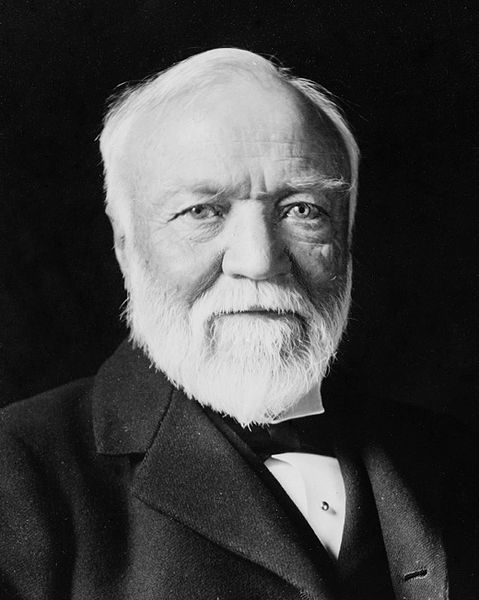
Andrew Carnegie is one of those names you’ll continue to hear, even though he’s no longer with us. You’ll find that historians cite Andrew Carnegie and his actions often. He was one of the wealthiest men in the world and passed away at 83 in 1919. During the late 19th century, Andrew Carnegie was considered a leader in the steel industry in the United States.
Andrew is still regarded for the exceptional leadership skills he displayed, even to this day. At 65, he began to donate some of his wealth to various charitable causes, despite having accumulated a great fortune in the steel industry. In his generosity, Andrew gave away approximately 90% of his wealth to foundations and charities, including donations to various universities.
At 65, Andrew started giving away a large portion of the money he had accumulated. By the end of his life, he gave away 90% of his fortune, approximately $350 million. Today, his fortune would have been worth more than $65 billion. He gave this money to universities, several different foundations, and charities.
You can still read an article that Andrew wrote. “The Gospel of Wealth” was the title of the article. He published it in 1889, but you can easily find the article online today.
In 1889, Andrew published “The Gospel of Wealth.” In this article, Andrew instructed the wealthiest people on Earth to use the wealth they accumulate in such a way to benefit and improve our society.
Now that we’ve explored the stories and achievements of these influential business leaders, let’s turn to some of the best resources available for learning more about leadership.
Top 5 Best Business Leaders Books
1. “Leaders Eat Last” by Simon Sinek
Sinek explores how great leaders build trust by putting their team’s needs first, creating a culture of collaboration and loyalty. This book emphasizes the human aspect of leadership.
2. “The Lean Startup” by Eric Ries
Ries offers a methodology for startups to innovate efficiently through validated learning and iterative product development. It’s a guide for business leaders looking to develop, refine, and iterate on their business model to build successful, sustainable businesses in uncertain environments.
3. “Good to Great” by Jim Collins
Collins identifies a disciplined approach as a key factor that helps companies transition from good to exceptional, focusing on disciplined leadership and strategy. It’s based on years of research into what drives long-term success.
4. “The Hard Thing About Hard Things” by Ben Horowitz
Horowitz shares candid insights into navigating the tough decisions and challenges of entrepreneurship. The book offers practical advice on managing crises and maintaining resilience.
5. “The 5 Levels of Leadership” by John C. Maxwell
Maxwell outlines a progression of leadership, from gaining authority to developing other leaders. It’s a roadmap for anyone looking to grow and enhance their leadership effectiveness.
With these resources in hand, let’s dive deeper into the essential qualities that define a great business leader.
What qualities define a great business leader?
Vision and Innovation
- Vision, innovation, and the ability to inspire are all hallmarks of legendary leaders.
- Great leaders have the foresight to anticipate challenges, recognize opportunities, and guide their organizations toward long-term success.
- Their inner strength helps them remain resilient in the face of setbacks, adapt quickly, and stay focused on their mission.
Key Leadership Qualities
- Self-awareness: Understanding one’s strengths and weaknesses.
- Clear communication: Ensuring messaging and decision-making are easily understood, which builds trust and strengthens relationships within organizations.
- Decisiveness: The ability to make timely, effective decisions.
- Resilience: The ability to recover from setbacks and adapt to change, enabling leaders to inspire trust and foster innovation.
- Ability to inspire trust: Building relationships grounded in trust and service.
- Fostering innovation: Creating an environment where new ideas can flourish.
Emotional Intelligence
- Emotional intelligence in leadership involves leading with empathy, humility, and authenticity, showing vulnerability, and caring for teams to create healthy, high-performing cultures.
- Leaders who are emotionally intelligent are able to connect deeply with stakeholders, actively listen, collaborate, and co-create with customers, employees, partners, and communities.
- Emotional intelligence involves not only self-awareness but also the ability to regulate one’s emotions and respond thoughtfully to others. This emotional agility enables leaders to build strong relationships, resolve conflicts, and maintain morale, even in challenging times.
Coaching vs. Managing
- A good leader also understands the subtle but important difference between managing and coaching.
- While management focuses on directing and controlling, coaching is about guiding and empowering individuals to reach their full potential.
- By adopting a coaching mindset, great leaders help their teams grow, fostering a sense of ownership, accountability, and pride in their work.
Purpose-Driven Leadership
- Effective purpose-driven leadership emphasizes the importance of building relationships grounded in trust and service, elevating leadership from routine management to visionary leadership.
- For instance, leaders like those highlighted above are great examples of these qualities, demonstrating how clear communication, inner strength, and emotional intelligence can inspire teams and drive organizational success, particularly when leading remote teams with a sales gamification platform that keeps people aligned and engaged.
As highlighted in this insightful YouTube video, there are even more valuable lessons and strategies to be learned about the qualities that distinguish exceptional business leadership.
With a clear understanding of what makes a great business leader, let’s explore how these qualities drive meaningful change in organizations and industries.
Driving Meaningful Change
Driving meaningful change is at the heart of great leadership. Influential business leaders like Elon Musk, Jeff Bezos, and Bill Gates have each left a lasting mark on the world by challenging the status quo and inspiring others to think bigger. Their ability to combine strategic vision with bold innovation has not only propelled their companies to become some of the most valuable companies globally but has also sparked growth and transformation across entire industries.
Elon Musk, for example, has redefined the auto industry and energy sector through his work with Tesla Motors and SpaceX. His commitment to a sustainable future and willingness to take calculated risks have inspired a new generation of entrepreneurs to pursue ambitious goals. Similarly, Jeff Bezos built Amazon into a global force by maintaining a relentless focus on customer satisfaction and continuous innovation, setting new standards for e-commerce and logistics.
Bill Gates, co-founder of Microsoft, leveraged his leadership skills to revolutionize the tech industry and later used his influence to drive social change through philanthropy. These leaders show that meaningful change requires more than just great ideas—it demands a clear focus, the courage to innovate, and the ability to motivate employees and stakeholders to embrace new directions.
Aspiring leaders can look to these examples for inspiration, learning how great leadership can drive growth, foster innovation, and create a lasting impact on the world. By developing their own strategic vision and commitment to meaningful change, today’s leaders can shape the future of their organizations and industries.
Next, let’s look at practical strategies that small business owners can use to achieve sustainable growth and success.
Strategies for Small Business Owners
As a small business owner, having a well-thought-out strategy is crucial to ensuring the long-term success and sustainable growth of your company. Small businesses often face unique challenges, such as limited resources and increased competition, making it essential to develop approaches that address these specific needs. Whether you’re just starting out or looking to scale, implementing effective business strategies can make a significant difference in how you approach challenges and seize opportunities. A robust strategy will provide clarity, guide decision-making, and help you stay focused on your goals.
Here are key strategies for small business owners:
- Define a Clear Vision
Set a clear vision and measurable goals for your business. Your vision should reflect both the mission of your business and the impact you want to make in the marketplace. Setting SMART goals—specific, measurable, achievable, relevant, and time-bound—gives you a clear direction and metrics to track progress.
- Set a clear vision and measurable goals for your business. Your vision should reflect both the mission of your business and the impact you want to make in the marketplace. Setting SMART goals—specific, measurable, achievable, relevant, and time-bound—gives you a clear direction and metrics to track progress.
- Build a Strong Online Presence
In today’s digital age, an effective digital marketing plan is essential for attracting customers and establishing your brand. This includes having a user-friendly website, engaging with customers on social media, and investing in targeted online advertising to drive traffic and sales. Additionally, maintaining a solid reputation through customer reviews and testimonials can greatly influence the perception of your business.
- In today’s digital age, an effective digital marketing plan is essential for attracting customers and establishing your brand. This includes having a user-friendly website, engaging with customers on social media, and investing in targeted online advertising to drive traffic and sales. Additionally, maintaining a solid reputation through customer reviews and testimonials can greatly influence the perception of your business.
- Manage Finances Efficiently
Managing finances efficiently is a cornerstone of small business success. Whether you’re handling cash flow, budgeting, or securing funding for expansion, having a sound financial plan will help ensure that your business remains profitable and solvent. Keep track of your expenses, monitor your financial performance regularly, and seek expert advice when needed.
- Managing finances efficiently is a cornerstone of small business success. Whether you’re handling cash flow, budgeting, or securing funding for expansion, having a sound financial plan will help ensure that your business remains profitable and solvent. Keep track of your expenses, monitor your financial performance regularly, and seek expert advice when needed.
- Prioritize Customer Satisfaction
Customer satisfaction and loyalty should always be a top priority. Creating a positive experience for your customers can lead to repeat business, referrals, and lasting relationships. In addition to providing quality products or services, listen to your customers’ feedback, resolve complaints quickly, and go the extra mile to exceed their expectations.
- Customer satisfaction and loyalty should always be a top priority. Creating a positive experience for your customers can lead to repeat business, referrals, and lasting relationships. In addition to providing quality products or services, listen to your customers’ feedback, resolve complaints quickly, and go the extra mile to exceed their expectations.
By implementing these key strategies, leveraging a SaaS sales gamification platform to boost performance, and continuously working to develop your leadership skills, small business owners can enhance their ability to compete in the marketplace and build a lasting, sustainable enterprise.

With these strategies in mind, let’s see how Spinify can help you become the best leader possible.
Spinify Can Help You Become the Best Leader
Outstanding leadership is a skill that you’re striving for, and developing leadership skills is a continuous process. It helps you feel confident in what you do and makes better business decisions in your own company. Learning from the best is a great way to improve your leadership skills.
Emulating their strategies allows you to motivate employees and middle managers while also giving yourself new goals to pursue. There are many great examples of leaders who have developed their leadership abilities over time, showing how dedication to growth leads to lasting impact.
Great leaders are committed to continuous self-improvement—constantly refining their approach and adapting to new challenges. Influential figures in business often demonstrate inner strength, such as resilience and integrity, which can be cultivated through feedback and accountability. This mindset fosters growth, resilience, and the ability to lead through change, and leaders who adopt it are more likely to seek expert guidance and contact a gamification partner to motivate their teams when they need extra support.
As a leader, embracing a culture of feedback and accountability within your organization is key. It encourages transparency and creates a space where everyone feels empowered to contribute their ideas and talents, especially when supported by an engaging sales gamification platform that reinforces recognition and performance.

Now, let’s wrap up with the key takeaways for aspiring and current business leaders.
The Bottom Line
In conclusion, the most famous business leaders and influential business leaders of our time share a powerful combination of strategic vision, strong leadership skills, and a deep commitment to driving meaningful change. These qualities enable them to inspire and motivate employees, make tough decisions, and adapt to the ever-evolving business world. Leaders like Tim Cook, Mary Barra, and Satya Nadella have demonstrated how great leadership can lead to business success, innovation, and a lasting impact on their industries.
Aspiring leaders can learn invaluable lessons by studying the leadership styles and strategies of the most influential business leaders. By developing their own approach—grounded in social responsibility, education, and a passion for innovation—they can empower others, drive growth, and create meaningful change within their organizations and beyond.
Ultimately, great leaders are those who not only achieve success for themselves and their companies but also leave a legacy that benefits employees, communities, and the world at large. By committing to continuous development and embracing the principles of great leadership, anyone can unlock their leadership potential and make a difference that endures for generations.
At Spinify, we help you transform your leadership and drive success through AI-powered sales gamification software that boosts sales teams’ internal efficacy, visibility, and motivation. By incorporating engaging, competitive elements into your workplace culture, you can foster stronger team connections and increase productivity.
Additionally, successful leaders recognize the importance of work-life balance for themselves and their teams. By prioritizing well-being, they create a more engaged, focused, and motivated workforce, which leads to better performance and reduced burnout, especially when combined with tools like a demo-driven gamification and coaching platform that makes performance expectations clear and achievements visible.
Book a demo to learn how we can help you improve your leadership, coaching, and employee performance through the right internal business decisions.