Understanding the Impact of Sales Leaderboards
In today’s competitive sales environment, keeping teams motivated and aligned with business goals is more crucial than ever. The integration of sales leaderboards has emerged as a powerful tool to enhance performance, encourage healthy competition, and foster a sense of recognition within teams. But how exactly do these leaderboards work, and what makes them effective?
Sales leaderboards have revolutionized how organizations track performance by visualizing team and individual achievements using dynamic, real-time data. More than mere numbers on a screen, these leaderboards serve as a constant source of motivation and recognition, bringing out the best in sales personnel by leveraging both intrinsic and extrinsic motivators.
The Evolution of Recognition through Leaderboards
Leaderboards have shifted from traditional whiteboard tracking to sophisticated digital platforms that offer real-time updates and insights. These advances have transformed the way sales teams interact with their tasks and goals, inculcating a sense of urgency and importance in their everyday operations.
“Leaderboards are not just about competition; they are about celebrating every win, small or big, and making recognition a daily part of the sales culture.”
With the advent of digital leaderboards, the methods of recognition have also changed. Many platforms today offer customizable metrics, allowing teams to tailor recognition criteria to sales cycle nuances and individual goals. This customization ensures that rewards and recognition are always relevant, meaningful, and aligned with broader business objectives.
Key Features of Effective Leaderboard Tools
An understanding of the critical components of effective leaderboard tools can significantly impact how an organization recognizes and rewards its salesforce:
- Real-Time Data: Instant updates and notifications maintain momentum and real-time engagement.
- Customizable Metrics: Tailored metrics ensure that recognition aligns with company values and sales strategies.
- Public Recognition: Open display of achievements promotes transparency and boosts workplace morale.
- Gamification Elements: Incorporating elements like badges and levels to enhance motivation and participation.
- Integration Capabilities: Easy integration with CRM and other existing tools ensures seamless operations.
Approaches to Recognition and Rewards
Different leaderboard tools adopt varied approaches to team recognition and rewards. Here’s how:
Dynamic and Personalized Recognition
It’s essential that recognition feels personal to each team member. Leveraging tools that provide insights into individual and team performances, managers can create personalized messages of appreciation. This personalization not only boosts the recipient’s morale but also builds a culture of acknowledgement, which can be pivotal in employee retention and satisfaction.
Peer-to-Peer Recognition
Encouraging team members to recognize each other’s achievements fosters a supportive environment where accomplishments are celebrated collectively. This feature, present in several modern leaderboard tools, helps in building camaraderie and mutual respect within sales teams.
Reward Systems Aligned with Company Goals
The allocation of rewards based on leaderboard standings enables employees to see a direct correlation between their efforts and organizational success. Leaderboards that integrate reward systems often include incentives such as bonuses, gift cards, and additional paid time off, tailored to encourage the behaviors and achievements that align with the company’s strategic goals.
The Role of Gamification
Gamification in sales leaderboards has proven to be a potent motivator, making tasks engaging while fostering a culture of continuous improvement. By implementing elements of gamification such as challenges, levels, and points, organizations can transform the routine sales process into a more interactive and enjoyable experience.
When carefully designed, gamification not only attracts participation but also promotes learning and knowledge sharing, encouraging sales teams to develop new skills and strategies to climb the ranks.
Choosing the Right Sales Leaderboard Tool
Selecting the right leaderboard tool requires an evaluation of an organization’s specific needs and objectives. Critical factors include:
- Scalability: Can the tool grow with your team and adapt to future changes?
- Ease of Use: Is the interface user-friendly and accessible to all team members?
- Reporting Capabilities: Does it offer comprehensive analytics and reporting features?
- Customization Options: Can you tailor the tool’s features to suit your unique business requirements?
Incorporating a tool that aligns with these elements can ensure sustained engagement, transparency in recognition, and a motivated sales force working towards common goals.
Integrating Spinify for Optimal Sales Performance
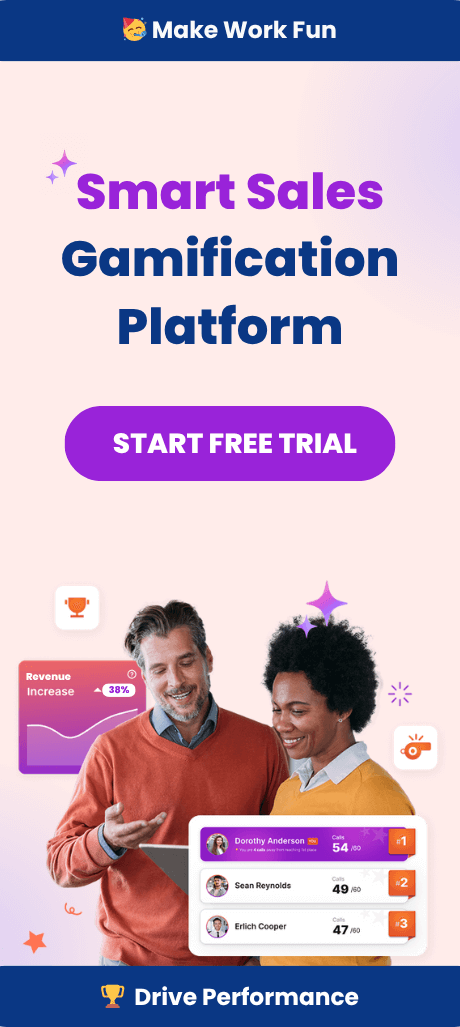
For teams seeking to enhance their sales operations, considering platforms like Spinify can be invaluable. Known for its powerful integration capabilities and user-friendly interface, Spinify enables teams to track their progress, celebrate individual and team achievements, and drive motivation through well-designed gamification elements.
Book a Demo or Start a Trial with Spinify today to explore how this platform can uplift your team’s performance and recognition culture.
Conclusion: The Future of Sales Recognition
In the fast-paced world of sales, sustained success depends on recognition and reward mechanisms that are dynamic and engaging. Sales leaderboards, with their ability to offer personalized, real-time recognition and integrate motivational techniques such as gamification, are at the forefront of this transformation.
By understanding and implementing the best practices in sales leaderboard utilization, organizations can foster an environment where sales teams feel valued, motivated, and committed to achieving excellence. Embracing this tool not only enhances sales performance but also solidifies a culture of appreciation and continuous improvement.