#1 Sales Gamification on G2 — 4.6★ from 854+ verified reviews.
  Log in
The New Era of Workplace Communication
In 2025, workplace communication is more complex and dynamic than ever before. With hybrid and remote teams now a permanent fixture in the business landscape, organizations must leverage the right communication tools to keep employees engaged, connected, and productive. The right mix of platforms can bridge time zones, reduce misunderstandings, and foster a thriving company culture. Leveraging these platforms enables teams to communicate effectively, which is essential for productivity and engagement.
Why Communication Matters More Than Ever
Research from McKinsey shows that teams with effective communication are 25% more productive. In a world where many teams work across different locations, communication tools have become essential to maintaining alignment and motivation. Effective communication reduces misunderstandings and fosters a collaborative environment where ideas flow freely. It ensures that everyone is on the same page, which is crucial for meeting deadlines and achieving business goals. Without clear communication, projects can stall, and employee morale can suffer, leading to costly delays and disengagement.
In today’s fast-paced and distributed work environment, poor communication can create significant barriers to success. Teams that struggle to share information efficiently often face duplicated efforts, missed opportunities, and frustration. On the other hand, organizations that prioritize strong communication skills empower their employees to collaborate seamlessly, even when working remotely. This leads to better problem-solving, innovation, and a stronger sense of community. Strong communication also helps employees engage more actively with their work and with each other, fostering a culture of participation and effective information sharing. Investing in communication tools and training is no longer optional; it is a critical factor in driving productivity and sustaining a successful business.

What is Workplace Communication?
Workplace communication is the process of exchanging information, ideas, and feedback among team members within an organization. It encompasses a variety of methods, including verbal communication during meetings, nonverbal communication through body language and facial expressions, written communication such as emails and reports, and visual communication like charts and infographics. In the modern workplace, seamless communication is essential for fostering collaboration, building trust, and driving productivity.
With the rise of remote and hybrid work, communication tools and internal communication platforms have become indispensable. These solutions enable employees to connect, share updates, and collaborate in real time, regardless of their physical location. Effective workplace communication not only streamlines workflows but also boosts employee engagement by ensuring everyone feels informed and included. As organizations continue to evolve, leveraging the right mix of communication tools is key to maintaining a connected and high-performing workforce.
Types of Workplace Communication: Verbal, Nonverbal, and Written
Workplace communication takes many forms, each playing a unique role in how information is shared and understood. Verbal communication involves speaking and listening, whether in person, over the phone, or through video conferencing. It’s ideal for immediate feedback and clarifying complex topics. Nonverbal communication, such as body language, facial expressions, and tone of voice, often conveys emotions and attitudes that words alone cannot express. These cues are crucial for effective communication, as they help team members interpret intent and build rapport.
Written communication includes emails, memos, reports, and instant messages. It provides a permanent record of information and is especially useful for formal documentation, instructions, and policies. Each type of communication has its strengths: verbal communication is best for dynamic discussions, nonverbal cues enhance understanding, and written communication ensures clarity and accountability. Developing a well-rounded communication strategy that leverages all three types helps organizations minimize misunderstandings and create a more collaborative and effective workplace.
The Rise of Internal Communication Platforms
Internal communication platforms centralize messages, announcements, and collaboration in one accessible space. They allow leadership to share important updates while enabling employees to connect easily. These platforms create a digital hub where company news, project information, and team discussions are organized and searchable. Acting as a central hub, they unify all communication and resources, making teamwork more efficient. This centralization reduces information silos and ensures that employees, regardless of location, have access to the latest updates. It also encourages transparency and openness, which are key to building trust within the organization.
As businesses become more global and remote work becomes standard, internal communication platforms have evolved to meet these challenges. Modern platforms often include features like instant messaging, video conferencing, and social media-style feeds to engage employees in a familiar and interactive way. These tools support not only formal communication but also informal interactions that foster relationships and company culture. By providing a seamless communication experience, these platforms help internal communications teams deliver messages effectively, boost employee engagement, and create a more connected workforce.
Key Benefits of Internal Communication Tools
These tools improve transparency, encourage idea sharing, and help teams respond quickly to challenges. By providing clear channels for communication, internal communication tools reduce confusion and help align team efforts with organizational goals. They allow employees to stay informed about company developments and contribute their ideas, which can lead to innovation and continuous improvement. Features like company announcements ensure that important updates reach everyone promptly. This open exchange of information promotes a culture of collaboration and accountability.
Additionally, internal communication tools strengthen the sense of belonging among employees, regardless of location. They enable remote workers to feel connected to their teams and the broader company culture, reducing feelings of isolation. Features like employee recognition, discussion forums, and social feeds create opportunities for engagement beyond task-related communication. When employees feel heard and valued, their motivation and commitment increase, directly impacting productivity and retention.
Video Conferencing Tools for Real-Time Collaboration
Platforms like Zoom and Google Meet have become workplace staples, enabling face-to-face interaction for meetings, brainstorming sessions, and training events without physical presence. A video call allows remote participants to interact as if they were in the same room, enhancing collaboration. Video conferencing bridges the gap created by remote work, allowing teams to see facial expressions and body language, which enhances understanding and connection. This visual element is vital for building trust and rapport, especially in teams that rarely meet in person.

Beyond enabling meetings, video conferencing tools support interactive collaboration through features like screen sharing, virtual whiteboards, and breakout rooms. These capabilities make it easier to present ideas, solve problems together, and keep participants engaged. As organizations continue to embrace hybrid work models, video conferencing remains a critical component of effective internal communication, helping teams stay aligned and productive no matter where they are located.
How Video Conferencing Improves Nonverbal Communication
Video conferencing has revolutionized the way teams connect, especially in remote and hybrid work environments. One of its greatest strengths lies in its ability to capture nonverbal communication cues such as body language and facial expressions. These subtle signals play a vital role in conveying emotions, intentions, and reactions that words alone cannot fully express. Video conferencing also provides opportunities for team members to practice and improve their verbal communication skills during discussions.
When team members see each other’s expressions and gestures in real time, it fosters a deeper level of trust and empathy, which is essential for building strong professional relationships and effective collaboration.
Moreover, video conferencing helps bridge the gap created by physical distance, making interactions feel more personal and engaging. It allows participants to pick up on visual cues that can prevent misunderstandings and improve the clarity of conversations. This visual connection enhances communication effectiveness by providing context that supports verbal messages. As a result, teams can collaborate more smoothly, resolve conflicts faster, and maintain a sense of unity even when working miles apart. The ability to communicate nonverbally through video is a game-changer for modern workplaces striving for meaningful connections.
Instant Messaging Apps for Quick Communication

Instant messaging apps have become indispensable tools for modern workplaces, transforming how teams communicate daily. Platforms like Slack and Microsoft Teams enable employees to send quick questions, share updates, and engage in group chats without the delays of traditional email. An instant messaging platform provides real-time communication, reducing delays and improving responsiveness across teams. This immediacy accelerates decision-making processes and keeps projects moving forward efficiently. The ability to communicate in real time helps reduce bottlenecks and fosters a dynamic flow of information, which is especially critical for fast-paced work environments.
Beyond speed, instant messaging apps support multiple communication styles, from casual conversations to formal announcements. They also offer features like channels, threads, and direct messages, allowing teams to organize discussions by topic or project. This structure helps maintain clarity and reduces the noise often associated with large group communications. Additionally, these apps often integrate with other workplace tools, creating a seamless communication ecosystem. By enabling quick, organized, and accessible communication, instant messaging apps are essential for keeping teams connected and productive.
Why Instant Messaging Beats Endless Email Chains
Email has long been a staple of workplace communication, but it often leads to overwhelming inboxes and slow response times. Instant messaging offers a more efficient alternative by cutting through the clutter and enabling direct, real-time conversations. Unlike emails, which can sit unread for hours or days, messages sent via instant messaging platforms are typically seen and responded to quickly. This immediacy reduces delays, helping teams stay aligned and react swiftly to changing priorities or urgent issues. Team communication tools like instant messaging platforms are essential for maintaining fast and effective collaboration.
Furthermore, instant messaging encourages brevity and clarity, which helps prevent the lengthy, confusing email threads that can bog down productivity. It supports more informal and conversational exchanges, making communication feel less rigid and more approachable. This can improve team morale and foster a culture of openness. By minimizing the back-and-forth of email chains, instant messaging tools streamline communication workflows and promote a more agile and responsive work environment.
Spinify’s Slack and Microsoft Teams Integrations
Spinify enhances workplace communication by seamlessly integrating with popular platforms like Slack and Microsoft Teams. These integrations bring gamified leaderboards, recognition, and performance updates directly into the channels your team already uses daily. This means employees can stay informed about their progress and achievements without switching between multiple apps, reducing friction and keeping motivation high. By embedding these features within familiar communication tools, Spinify makes performance tracking and recognition a natural part of everyday conversations.
Additionally, these integrations promote transparency and healthy competition by making achievements visible to the entire team. This visibility encourages employees to celebrate each other’s successes and strive for continuous improvement. The real-time updates foster ongoing engagement and create a positive feedback loop that supports both individual and team growth. Spinify’s approach to integrating with existing tools empowers organizations to enhance communication workflows while boosting employee engagement and productivity.
Task Management Tools to Track Progress
Task management platforms like Asana, Trello, and Monday.com are essential for organizing work and keeping teams on track. These tools allow managers to assign responsibilities clearly and set deadlines, which helps ensure accountability and reduces confusion about who is responsible for what. By providing a centralized view of project timelines and deliverables, task management software makes it easier for team members to prioritize their work and stay aligned with overall goals. These platforms also allow managers to track task progress, ensuring projects stay on schedule and that deadlines and dependencies are monitored effectively.
In addition to tracking individual tasks, these platforms facilitate collaboration by enabling team members to comment, share files, and update progress in real time. This transparency improves communication and helps identify potential roadblocks early, allowing teams to adjust plans proactively. For remote and hybrid teams, task management tools are especially valuable because they provide a shared workspace where everyone can stay informed and contribute regardless of location. The result is more efficient project execution and a stronger sense of teamwork.

How Task Management Improves Accountability
By assigning clear ownership of tasks, team members understand expectations and deadlines, reducing miscommunication and delays. Task management tools provide a transparent framework where responsibilities are clearly defined, making it easier for everyone to know who is responsible for what. This clarity helps prevent tasks from falling through the cracks and ensures that deadlines are met consistently. When team members know their specific duties and timelines, they are more motivated to deliver quality work on time, which boosts overall team productivity and project success.
Moreover, task management platforms offer features like progress tracking and deadline reminders that keep everyone aligned and accountable. Managers can easily monitor task progress and provide support where needed, while team members can update their status in real time. This level of visibility fosters a culture of responsibility and trust, as everyone can see how their contributions impact the broader goals. In remote or hybrid environments, task management tools are especially valuable for maintaining accountability across dispersed teams, ensuring that distance does not hinder collaboration and performance.
Document Collaboration Tools for Seamless Editing
Google Workspace and Microsoft 365 allow multiple team members to edit documents simultaneously, ensuring that the latest version is always available. These platforms eliminate the traditional bottlenecks of document sharing, such as waiting for feedback or merging multiple versions. Robust collaboration features, such as simultaneous editing and commenting, streamline the review and approval process. Real-time collaboration enables teams to work together more efficiently, providing instant updates and comments that keep everyone on the same page. This dynamic approach to editing encourages active participation and reduces errors caused by outdated information.

In addition to simultaneous editing, document collaboration tools offer features like version history and commenting, which enhance transparency and communication. Team members can track changes, revert to previous versions if necessary, and discuss edits directly within the document. This integrated communication streamlines the review process and fosters a collaborative environment where feedback is constructive and timely. For remote teams, these tools are indispensable, bridging geographical gaps and enabling seamless teamwork regardless of location.
Benefits of Real-Time Document Collaboration
This eliminates confusion over version control and promotes efficient teamwork, especially for remote teams. When everyone works on the same document at the same time, it reduces the risk of conflicting edits and lost information. Real-time collaboration ensures that the most up-to-date content is always accessible, which is crucial for maintaining accuracy and consistency across projects. It also accelerates decision-making, as teams can quickly finalize documents without waiting for sequential reviews.
Furthermore, real-time document collaboration fosters a sense of connection and shared purpose among team members. It encourages open communication and immediate feedback, which can lead to more innovative ideas and better problem-solving. For remote and hybrid teams, this capability helps overcome the challenges of working apart by creating a virtual space where collaboration feels natural and engaging. Ultimately, it supports a more agile and responsive workflow, enabling teams to adapt swiftly to changing project needs.
Employee Recognition Tools That Boost Morale
Recognizing employees in a public and timely manner can boost motivation and foster a positive workplace culture. Tools like Spinify’s recognition features make it easy to highlight wins in real time, creating a culture of appreciation that encourages employees to strive for excellence. Public recognition not only celebrates individual achievements but also inspires others by showcasing success stories and best practices. This visibility helps build a supportive environment where employees feel valued and motivated to contribute their best work.

Beyond boosting morale, employee recognition tools enhance communication by opening channels for positive feedback and ongoing dialogue between managers and staff. They create opportunities for peer-to-peer recognition, strengthening relationships and teamwork across departments. When recognition is integrated into daily workflows through familiar platforms like Slack or Microsoft Teams, it becomes a natural and consistent part of company culture. This continuous reinforcement of appreciation drives higher engagement, productivity, and retention, making it a powerful tool for organizational success.
How Recognition Strengthens Communication
Acknowledgment of achievements opens a two-way communication channel between employees and managers, encouraging open dialogue and continuous feedback. When employees feel recognized for their efforts, they are more likely to engage in conversations about their work, share ideas, and express concerns. This ongoing interaction fosters a positive environment where feedback flows naturally in both directions, helping to address issues before they escalate and reinforcing a culture of transparency. Recognition tools integrated into communication platforms make it easy to celebrate wins in real time, creating momentum and motivating teams to maintain high performance.
Moreover, public recognition boosts morale and strengthens relationships across departments. When achievements are shared openly, employees gain visibility into their colleagues’ contributions, which promotes mutual respect and collaboration. This visibility also encourages healthy competition and inspires others to strive for excellence. By embedding recognition into everyday communication, organizations create a supportive atmosphere that values individual and collective success. This approach not only enhances communication effectiveness but also drives employee engagement and retention, making recognition a vital component of any internal communications strategy.
Knowledge Management Platforms for Centralized Information
Platforms like Confluence and Notion serve as a knowledge hub where employees can access training materials, company policies, and project documentation. Knowledge center tools provide a structured and easy-to-access base for all company information, making it simple for employees to find and use resources as needed. These centralized repositories eliminate the frustration of searching through multiple sources for critical information, enabling employees to find what they need quickly and efficiently. By organizing content in an intuitive and searchable way, knowledge management platforms empower teams to work smarter and reduce downtime caused by information gaps. They also support version control and content updates, ensuring that everyone accesses the most current and accurate resources.
In addition to storing information, knowledge management platforms facilitate collaboration by allowing employees to contribute insights, ask questions, and share best practices. This dynamic exchange of knowledge nurtures a learning culture and encourages continuous improvement. For remote and hybrid teams, these platforms bridge geographical divides by providing a single source of truth accessible from anywhere. Integrating knowledge centers with other communication tools enhances workflow by connecting information access with real-time discussions, making it easier for employees to apply knowledge directly to their tasks and projects.
Why Knowledge Management Improves Communication Efficiency
With a centralized repository, employees spend less time searching for information and more time on productive work. This efficiency reduces frustration and minimizes interruptions, allowing teams to focus on their core responsibilities. When employees have quick access to policies, procedures, and project details, they can make informed decisions faster and collaborate more effectively. This streamlined flow of information improves overall communication by reducing misunderstandings and ensuring consistency across departments.
Furthermore, knowledge management supports onboarding and training by providing new hires with easy access to essential resources. It also enables experienced employees to stay updated on changes without relying on lengthy meetings or emails. By integrating these platforms into daily workflows, organizations create an environment where knowledge is shared openly and continuously. This accessibility not only enhances communication but also drives innovation by encouraging employees to build on existing information and contribute new ideas.
Social Media-Inspired Platforms for Engagement
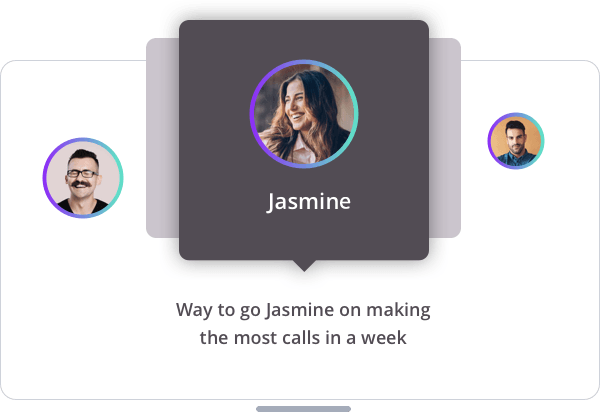
Tools like Workplace from Meta mimic the familiar interfaces of social media, making communication more engaging for employees who prefer interactive content. Social media platforms within organizations encourage sharing, commenting, and collaboration in a familiar environment. These platforms use features such as news feeds, likes, comments, and groups to create a dynamic and social experience within the workplace. This familiarity lowers barriers to adoption and encourages employees to participate actively, share updates, and celebrate milestones. By blending formal communication with social interaction, these tools foster a sense of community and connection, even in large or dispersed organizations.
Beyond engagement, social media-inspired platforms enhance transparency by allowing leadership to share company news and updates in a more relatable and accessible way. Employees can respond directly, ask questions, and provide feedback, creating a two-way dialogue that strengthens trust. These platforms also support employee advocacy by enabling team members to share company content on their personal social media, extending the organization’s reach and reinforcing its brand. Overall, these tools transform internal communication into a vibrant, interactive experience that drives collaboration and builds a strong company culture.
Using Visual Communication to Simplify Complex Information
Visual communication tools like infographics, diagrams, and short videos play a crucial role in breaking down complex information into easily digestible formats. These tools help employees quickly grasp key messages without feeling overwhelmed by dense text or complicated explanations. By presenting data visually, organizations can enhance understanding and retention, making it easier for team members to apply the information in their daily work. Visual aids also appeal to different learning styles, ensuring that everyone, regardless of their preferred method of processing information, can engage effectively with the content.
Moreover, visual communication fosters creativity and innovation by encouraging teams to think outside the box when sharing ideas. It enables clearer storytelling and helps convey abstract concepts through imagery, which can be more impactful than words alone. In meetings and training sessions, visuals keep participants engaged and focused, reducing cognitive overload and improving overall communication effectiveness. Incorporating visual elements into your communication strategy not only simplifies complex topics but also strengthens team collaboration and drives better business outcomes.
Workflow Automation to Streamline Communication
Workflow automation tools such as Zapier and Power Automate have revolutionized how information moves between different platforms by automating repetitive tasks. These tools eliminate the need for manual data entry and updates, significantly reducing errors and saving valuable time for employees. Automation ensures that messages, alerts, and data are delivered promptly and accurately across communication channels, keeping everyone informed without the hassle of constant manual intervention. This seamless flow of information helps maintain momentum in projects and daily operations, especially in fast-paced work environments.

In addition to improving efficiency, workflow automation enhances communication consistency and reliability. Automated processes can trigger notifications based on specific events, such as task completions or deadline changes, ensuring that the right people receive timely updates. This reduces bottlenecks caused by missed information and allows employees to focus on higher-value activities like strategic decision-making and creative problem-solving. By integrating automation into your communication strategy, organizations can foster smoother collaboration, improve responsiveness, and create a more agile workplace culture.
How Automation Reduces Communication Bottlenecks
Automation plays a vital role in minimizing communication bottlenecks by streamlining the flow of information within an organization. By handling routine and repetitive tasks automatically, it frees employees from administrative burdens, allowing them to concentrate on meaningful conversations and critical decisions. This shift not only boosts productivity but also improves the quality of communication by reducing delays caused by manual processes. When information is shared promptly and consistently, teams can respond faster to challenges and opportunities, keeping projects on track and enhancing overall performance.
Furthermore, automation helps create a more transparent communication environment where updates and alerts are delivered without human error or oversight. This reliability builds trust among team members, as they can depend on receiving accurate information when they need it. Automated workflows also support scalability, enabling organizations to maintain effective communication as they grow and handle increasing volumes of data and interactions. Automation can also assist in tracking engagement by providing analytics on how employees interact with communication channels. Embracing automation reduces friction in communication channels and empowers employees to engage more deeply with their work and each other.
Project Management Platforms for Cross-Department Collaboration
Project management platforms serve as essential hubs for cross-department collaboration by centralizing project information and communication in one accessible place. A robust collaboration platform integrates communication, file sharing, and task management to streamline teamwork. These tools enable teams from different functions to coordinate efforts, share updates, and align on shared objectives without the confusion of scattered emails or messages. By providing clear visibility into project timelines, responsibilities, and progress, project management software helps break down silos and fosters a culture of transparency and accountability across departments. This unified approach ensures that everyone is working towards common goals with a clear understanding of their roles.
In addition to improving coordination, project management platforms offer features that support real-time collaboration, such as file sharing, commenting, and task assignments. These capabilities facilitate ongoing dialogue and feedback, allowing teams to quickly address issues and adapt plans as needed. For remote and hybrid teams, these platforms are invaluable in bridging geographical gaps and maintaining seamless communication. By integrating project management tools into your communication strategy, organizations can enhance teamwork, increase efficiency, and drive successful project outcomes.
Facilitating Communication in Remote Teams
Facilitating communication in remote teams requires a thoughtful combination of video conferencing, instant messaging, and task management tools to replicate the connectivity of in-person collaboration. Video conferencing enables face-to-face interaction, where team members can read facial expressions and nonverbal cues, strengthening relationships and improving understanding. Virtual meetings are essential for maintaining engagement and effective communication in distributed teams, helping bridge geographical gaps and support verbal collaboration. Instant messaging provides quick and informal channels for daily check-ins, questions, and updates, fostering a sense of immediacy and connection. Task management tools keep everyone aligned on priorities and deadlines, ensuring accountability and progress tracking despite physical distance.
Successful remote communication also depends on creating a culture that encourages openness and regular interaction. By leveraging the right tools, organizations can support flexible communication styles and maintain continuous engagement among remote workers. Providing training and clear guidelines on how to use these platforms effectively helps prevent misunderstandings and ensures that remote teams stay productive and motivated. Ultimately, combining technology with intentional communication practices enables remote teams to collaborate as effectively as their in-office counterparts, driving business success in a distributed work environment.
How to Create an Internal Communications Strategy
Creating an effective internal communications strategy starts with understanding the unique needs of your team and organization. Begin by assessing how your employees currently communicate and identifying any gaps or challenges that hinder collaboration. A successful internal communication strategy involves selecting the right internal communication tool that integrates with existing workflows, ensuring information is shared efficiently and teams stay connected. This insight will guide you in selecting the right communication tools that align with your team’s workflows and culture. It is essential to choose platforms that integrate smoothly with each other to provide a seamless experience. Equally important is involving team members in the decision-making process to ensure the tools meet their needs and encourage widespread adoption.
Once the tools are selected, providing comprehensive training and ongoing support is crucial to maximize their effectiveness. Employees should feel confident using the features available to them, which promotes active engagement and reduces resistance to change. Establish clear communication guidelines and best practices to help standardize how tools are used across the organization. Regularly review and update your strategy to adapt to evolving team dynamics and technological advancements. A well-crafted internal communications strategy not only improves information flow but also strengthens team cohesion and drives business success.
Measuring Communication Effectiveness
Measuring the success of your communication strategy requires tracking a variety of metrics that reflect how well employees are engaging with the tools and messages. Metrics such as message engagement rates, meeting attendance, and project completion timelines provide valuable insights into the effectiveness of your communication efforts. Many platforms offer analytics to track engagement and assess which messages resonate most with employees. These data points help identify what is working well and where improvements are needed. For example, low engagement rates on announcements might signal the need for more interactive or targeted content, while missed deadlines could indicate communication breakdowns within project teams.

Beyond quantitative data, gathering qualitative feedback from employees is equally important. Surveys, focus groups, and one-on-one conversations can reveal how employees perceive communication within the organization and highlight any pain points. A user friendly interface is crucial for encouraging adoption and ensuring employees can easily access and interact with communication tools. Combining these insights with measurable metrics creates a comprehensive picture of communication effectiveness. Use this information to refine your approach, optimize tool usage, and tailor messaging to better meet the needs of your workforce. Consistent measurement and adaptation ensure your communication strategy remains relevant and impactful over time.
Integrating Communication Tools With CRM Systems
Integrating communication tools with Customer Relationship Management (CRM) systems is a powerful way to enhance collaboration between sales, customer service, and other departments. By linking communication platforms directly to your CRM, teams gain instant access to critical client data during conversations. This integration streamlines workflows and reduces the need to switch between multiple applications, saving time and minimizing errors. It allows employees to provide faster, more personalized responses, which improves customer satisfaction and strengthens client relationships.
Furthermore, CRM integration supports better tracking and reporting of customer interactions. Communication history, notes, and follow-ups are all centralized, enabling teams to stay informed and aligned on client needs and preferences. This transparency fosters accountability and helps managers identify opportunities for coaching and performance improvement. By bridging internal communication with customer data, organizations can create a more cohesive experience for both employees and clients, driving business growth and operational efficiency.
Spinify’s Role in Communication Improvement
Spinify plays a significant role in enhancing workplace communication by making performance data visible and engaging. Through gamified leaderboards, challenges, and real-time recognition notifications, Spinify transforms routine updates into motivating and interactive experiences. This approach encourages employees to stay informed about their progress and fosters healthy competition that drives continuous improvement. By integrating with popular communication platforms like Slack and Microsoft Teams, Spinify embeds these performance conversations directly into the channels employees use daily, reducing friction and increasing participation.

Beyond motivation, Spinify supports transparent communication by making achievements and goals visible across the organization. This visibility promotes accountability and celebrates successes, which boosts morale and strengthens team bonds. The platform’s ability to deliver instant feedback and recognition helps create an ongoing dialogue between managers and employees, reinforcing a culture of open communication. By combining data-driven insights with engaging communication features, Spinify empowers organizations to build more connected, productive, and motivated teams.
The Link Between Communication and Employee Engagement
Clear and consistent communication is a cornerstone of employee engagement. When employees feel informed and valued through regular updates and transparent messaging, their connection to the organization deepens. Effective communication helps employees understand their roles within the larger company mission, fostering a sense of purpose and belonging. This connection not only improves morale but also encourages employees to contribute their best work and remain committed to the organization over time.
Moreover, communication that flows openly in both directions strengthens trust and collaboration. When employees have opportunities to provide feedback and participate in conversations, they feel heard and respected. This inclusive environment boosts engagement by empowering individuals to share ideas and concerns freely. Organizations that prioritize communication as a key element of their culture see higher retention rates, increased productivity, and a more positive workplace atmosphere. Ultimately, strong communication is a vital driver of sustained employee engagement and organizational success.
Avoiding Common Communication Pitfalls
In today’s fast-paced work environment, communication overload is a common challenge that can significantly diminish the effectiveness of your messaging. When employees are bombarded with too many messages, notifications, and updates from various tools, it becomes difficult to prioritize what truly matters. This can lead to important information being overlooked or ignored, causing confusion and delays. To prevent this, organizations should carefully evaluate their communication channels and streamline the number of tools in use. Choosing the right internal communication software can help reduce overload and ensure messages are delivered efficiently. Reducing redundancy and ensuring that each tool serves a distinct purpose helps maintain clarity and keeps employees focused on key messages.
Another major pitfall is unclear communication, which often results from ambiguous language, inconsistent messaging, or lack of context. When messages are not clear, employees may misinterpret instructions or objectives, leading to errors and frustration. To avoid this, it is crucial to craft messages that are concise, well-structured, and tailored to the audience’s level of understanding. Additionally, providing opportunities for clarification and feedback can help ensure that everyone is on the same page. By addressing these common pitfalls, companies can foster a more efficient and productive communication environment.
Encouraging Feedback From Employees
Creating regular opportunities for employees to share their thoughts on communication tools and processes is essential for continuous improvement. Feedback sessions, surveys, and open forums allow employees to voice their experiences, challenges, and suggestions in a safe environment. This input is invaluable for identifying pain points that leadership may not be aware of and for discovering new ways to optimize communication workflows. When employees feel heard and involved in decision-making, their engagement and satisfaction increase, which in turn positively impacts overall productivity.
Moreover, fostering a culture of feedback encourages ongoing dialogue rather than one-time evaluations. Leaders should actively seek input not only on the tools themselves but also on how communication practices affect daily work and collaboration. By regularly reviewing and adapting communication strategies based on employee feedback, organizations can stay agile and responsive to evolving needs. This collaborative approach builds trust and empowers employees to take ownership of their communication experience, making the entire workforce more connected and aligned.
How Communication Tools Improve Company Culture
Effective communication tools play a pivotal role in reinforcing company values and shaping a positive organizational culture. By providing platforms where employees can share ideas, celebrate achievements, and connect on a personal level, these tools foster a sense of unity and belonging. When communication flows freely and transparently, employees feel more engaged and aligned with the company’s mission. This shared understanding helps create a cohesive team environment where collaboration thrives and innovation flourishes.
Beyond facilitating work-related communication, these tools enable informal interactions that build relationships and trust among team members. Features like social feeds, discussion forums, and recognition systems encourage employees to celebrate each other’s successes and support one another. This social aspect of communication strengthens the emotional connection to the workplace, making employees more motivated and committed. Ultimately, communication tools are not just about exchanging information—they are fundamental to cultivating a vibrant and inclusive company culture.
Training Employees on Communication Tools
Ongoing training is vital to ensure that employees can fully utilize the features and capabilities of communication tools. Without proper guidance, even the most advanced platforms can become underused or misused, limiting their potential benefits. Training programs should be tailored to different user groups and learning styles, combining live demonstrations, tutorials, and hands-on practice. Training should also cover employee directory software to help staff quickly find and connect with colleagues. This comprehensive approach helps employees build confidence and technical expertise, enabling them to communicate more effectively and efficiently.
In addition to initial training, continuous learning opportunities are important to keep pace with updates and new functionalities. Organizations should encourage a culture where employees feel comfortable asking questions and sharing tips with peers. Providing accessible resources and support channels ensures that users can troubleshoot issues quickly and maintain productivity. By investing in thorough and ongoing training, companies maximize their return on investment in communication tools and empower their workforce to collaborate seamlessly in today’s dynamic work environment.
The Role of Body Language in Virtual Communication

Body language is a vital component of effective communication, conveying emotions and intentions that words alone cannot fully express. In virtual communication, high-quality video conferencing tools play a key role in capturing these nonverbal cues, such as facial expressions, gestures, and posture. Voice communication also remains important for conveying tone and emotion, especially when video is not available.
When team members can see each other clearly, it enhances understanding, empathy, and trust, which are crucial for successful collaboration and relationship-building.
Without these visual signals, virtual interactions risk becoming less personal and more prone to misunderstandings. Subtle cues that indicate agreement, confusion, or concern can be missed, leading to communication breakdowns. By using video conferencing platforms that support clear and stable video, organizations can preserve the richness of face-to-face communication even when teams are dispersed. This helps maintain strong connections and ensures that conversations remain engaging and meaningful.
Maintaining Communication During Busy Periods
Maintaining consistent communication during busy periods is crucial to prevent misunderstandings and keep projects on track. Scheduled check-ins provide a reliable rhythm where team members can share updates, ask questions, and address challenges before they escalate. To avoid disruptions during critical meetings, it is essential to check all technical equipment in advance and ensure everything is functioning properly. These regular touchpoints help maintain alignment, especially when workloads intensify and priorities shift rapidly. By setting fixed times for communication, teams create a dependable structure that ensures everyone stays informed and connected, even when the pace of work accelerates.
Automated updates complement scheduled check-ins by delivering timely information without requiring manual effort. Tools that automatically notify team members of task progress, deadline changes, or new assignments reduce the risk of important messages being overlooked. This automation keeps communication flowing smoothly during hectic times and frees up employees to focus on their core responsibilities. Together, scheduled check-ins and automated updates form a communication safety net that supports productivity and reduces stress during peak workloads.
Leveraging Communication Tools for Training Sessions
Using communication tools like Zoom and Google Meet for training sessions transforms learning experiences by making them interactive and accessible. These platforms enable trainers to engage participants through live video, screen sharing, and real-time Q&A, replicating many aspects of in-person sessions. Video calls make it possible to conduct interactive training sessions with remote participants. Interactive features such as polls, breakout rooms, and chat functions encourage active participation, helping learners absorb information more effectively. This dynamic environment fosters collaboration and allows trainers to tailor content to the audience’s needs on the spot.
Pairing video conferencing with specialized interactive platforms further enhances retention and engagement. These tools offer quizzes, simulations, and collaborative exercises that reinforce key concepts and provide immediate feedback. By integrating communication and interactive learning, organizations create training sessions that are not only informative but also enjoyable and memorable. This approach supports continuous skill development and ensures employees are well-prepared to apply new knowledge in their daily work.
Building Trust Through Transparent Communication
Transparent communication is foundational to building trust within teams and across organizations. When leaders share frequent updates about company goals, challenges, and successes, employees feel valued and included in the bigger picture. Clear expectations about roles, responsibilities, and performance standards eliminate confusion and foster accountability. This openness encourages honest dialogue, where team members feel safe to express ideas, concerns, and feedback without fear of judgment.
Visible recognition plays a vital role in reinforcing trust by celebrating individual and team achievements openly. Acknowledging contributions in a timely and public manner shows that effort is noticed and appreciated, boosting morale and motivation. Transparent communication combined with consistent recognition creates a positive cycle of engagement and collaboration. It strengthens relationships, promotes a culture of respect, and ultimately drives better business outcomes by aligning everyone toward shared objectives.
Business Communication Styles for Modern Teams
Modern teams thrive on a business communication style that is clear, adaptable, and inclusive. In today’s fast-paced environment, it’s important to prioritize communication effectiveness by being concise, respectful, and open to feedback. Using internal communication tools such as instant messaging apps and video conferencing tools allows team members to connect quickly, share updates, and collaborate in real time, regardless of location. These platforms support both formal and informal interactions, making it easier to maintain strong working relationships and keep everyone aligned.

Adopting a flexible communication style also means recognizing the diverse preferences and needs of your team. Some employees may prefer instant messaging for quick questions, while others rely on video conferencing for more in-depth discussions. By leveraging a mix of communication tools and encouraging open dialogue, organizations can boost employee engagement, foster a culture of trust, and drive business success. Ultimately, effective business communication is about choosing the right channels and styles to support collaboration and achieve shared goals.
Communication Tool Security: Protecting Your Conversations
As organizations increasingly depend on digital communication tools, safeguarding the security of these platforms is more important than ever. Communication tool security involves implementing measures to protect sensitive conversations and data from unauthorized access, cyber threats, and data breaches. This includes using internal communication platforms that offer robust encryption, multi-factor authentication, and regular security updates to ensure that information remains confidential and secure.
Choosing a reliable internal communication platform with strong security features helps organizations maintain compliance with industry regulations and protect their reputation. Access controls, audit logs, and user permissions further enhance security by ensuring that only authorized personnel can view or share sensitive information. By prioritizing communication tool security, businesses not only protect their internal communication but also build trust with employees and clients, ensuring that workplace communication remains safe, private, and effective.
The Path to Better Communication in 2025
Workplace communication in 2025 requires a thoughtful combination of tools and strategies. From instant messaging to project management platforms, the goal is to create seamless connections across teams. To achieve this, evaluate and implement the best communication tools to improve collaboration and productivity in your workplace. Spinify enhances these efforts with gamified recognition, transparent leaderboards, and integrations with Slack and Microsoft Teams that bring performance conversations directly into daily workflows. Try Spinify today and transform how your team communicates and collaborates.