It doesn’t matter how much an employee loves their job. There will always come a time when they feel unmotivated to complete workplace tasks. Mundane tasks are typically repetitive and boring. The tasks must be done for workplace efficiency but don’t necessarily bring joy or personal fulfillment.
Consistently putting these workplace tasks off can lead to workflow disruptions, a decline in revenue, and low customer satisfaction. As a leader in the workplace, it’s your responsibility to keep your team on task during the week and to find innovative ways to inspire success.
In this article, we’ll explore different creative ways leaders in the workplace can turn mundane tasks into motivation with simple task motivation techniques powered by gamification. Gamification is the process of incorporating game elements in a non-game context. With the right strategic approach, you can help your team stay on task during the week, and give them the tools they need to succeed.
Here’s how to use gamification to revitalize routine tasks:
The Art of Turning Everyday Work Tasks From Drab to Delightful

Sometimes, it can be challenging to find motivating daily work during the work week. If you notice a decline in productivity and low company morale, it may be a sign your team is struggling to complete everyday tasks. There are many reasons why your team may be struggling to complete tasks on time or consistently. Whether it’s a busy time of the year, burnout, or simply not feeling fulfilled with their job duties.
One of the best ways to turn work tasks from drab to delightful is to find ways to encourage and motivate your sales teams with recognition, rewards, and gamification strategies. Gamification uses the same game mechanics as video games to help increase participation. Gamification not only inspires your team to stay engaged with work tasks, but it also adds an entertaining spin to mundane tasks.
The Psychology Behind Motivation

Gamification taps into your intrinsic motivation. Intrinsic motivation provides sustained engagement and a better sense of satisfaction. Activities that fuel your intrinsic motivation reward the individual and provide personal fulfillment. Involving activities that keep you motivated can help your team produce high-quality work during the work week and improve their work ethic. A recent McKinsey study shows that intrinsically motivated individuals are 32% more committed to their jobs than other employees. These employees also have a 46% higher job satisfaction.
Understanding the psychology behind motivation involves recognizing the different factors that drive individuals to perform tasks. While intrinsic motivation is a powerful force, extrinsic motivation also plays a role in shaping behavior. Extrinsic motivation is driven by external rewards such as bonuses, promotions, or public recognition. Balancing both intrinsic and extrinsic motivators can create a well-rounded approach to motivation, ensuring that employees feel both personally fulfilled and externally rewarded for their efforts.
Furthermore, motivation is influenced by the work environment and organizational culture. A positive work environment that fosters creativity, collaboration, and open communication can enhance motivation levels. Providing opportunities for professional development and growth can also contribute to increased motivation, as employees feel valued and see a clear path for advancement within the organization.
Another important aspect of motivation is the role of feedback. Constructive feedback helps individuals understand their strengths and areas for improvement, guiding them towards achieving their goals. Regular feedback sessions can keep employees aligned with organizational objectives and ensure they remain motivated to contribute effectively to the team’s success.
Additionally, understanding individual differences in motivation is crucial. People are motivated by different factors, and recognizing these differences can help leaders tailor their approach to meet the unique needs of each team member. By offering personalized incentives and support, leaders can effectively boost motivation and enhance overall performance.
In summary, the psychology behind motivation involves a complex interplay of intrinsic and extrinsic factors, work environment, feedback, and individual differences. By leveraging these elements, organizations can create a motivating atmosphere that encourages employees to excel and achieve their full potential.
Five Gamification Strategies to Help Breathe Life Into Routine Activities
Ready to take your team’s daily routine to the next level? Spinify is here to help. We put together a list of the top five favorite gamification strategies. These strategies are designed to tap into your team’s intrinsic motivation and help them re-envision success in the workplace.
Here are five of our favorite gamification strategies you can use to elevate work tasks:
Plan Monthly Mundane Games
The best way to approach a slowdown in booked demos, prospecting communication, or even sales is to plan a quick mini-game! Mini-games inspire friendly competition and improve the work environment. This is great for boosting work motivation and ensuring your team’s priorities are top of mind. To plan monthly mundane games, you’ll want to start by:
- Review your team’s data and look for challenges and opportunities
- Set the game rules and plan
- Offer a reward for the winner
With mini-games and sales competitions, you can easily adjust the objectives depending on your weekly or monthly goals. One week, you focus on prospecting efforts. Next, you may hone in on renewals or upsells.
In addition to boosting motivation, these games can also foster teamwork and collaboration. By creating opportunities for team members to work together towards a common goal, you enhance their ability to communicate effectively and solve problems creatively. Furthermore, these games can serve as a platform for feedback, allowing team members to share insights and learn from one another, thus improving overall performance.
Moreover, incorporating creative elements into these games can make them more engaging. For instance, you could introduce themed challenges or use technology to create interactive experiences. This not only makes the games more enjoyable but also helps to maintain interest and participation over time. By consistently refreshing the games and introducing new elements, you ensure that they remain a fun and effective tool for motivation.
Additionally, recognizing and celebrating achievements during these games can reinforce positive behavior. Whether it’s through verbal praise, certificates, or small prizes, acknowledging the efforts and successes of your team members can boost their confidence and encourage them to continue striving for excellence. This recognition can also contribute to a positive work culture where individuals feel valued and appreciated for their contributions.
Overall, monthly mundane games are a versatile and effective strategy for enhancing task motivation. They not only make routine tasks more enjoyable but also promote a sense of camaraderie and achievement within the team. By integrating these games into your workplace culture, you can create an environment where employees feel motivated, engaged, and ready to tackle any challenge that comes their way.
Set up Progress Bars For Different Routine Tasks

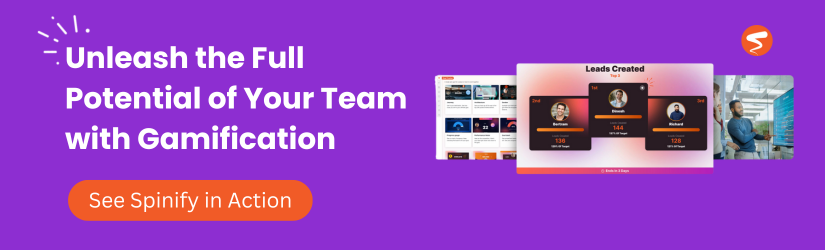
Progress bars are another interactive game element to motivate your team. This interactive turns mundane tasks into interactive activities and keeps your team on task during their 9-5. Instead of sending constant emails or making phone calls all day, your team can visualize their success. Your team can use the progress bar during the day to stay on task.
With progress bars, you can personalize the goals and objectives depending on the sales rep. This will ensure everyone has the visual aids they need to stay engaged with their job duties.
By implementing progress bars, you create a transparent and consistent method for tracking task completion and goal achievement. These visual tools not only provide immediate feedback but also highlight the importance of each task in the broader context of team objectives. This approach can significantly enhance decision-making processes as team members can see the direct impact of their efforts on the overall mission.
Moreover, progress bars can be customized to reflect various factors such as time management, task complexity, and individual performance metrics. This flexibility allows managers to tailor the progress bars to align with specific organizational goals and priorities. For instance, by setting incremental milestones and rewards, you can elevate the sense of accomplishment and motivate team members to reach their targets efficiently.
Furthermore, progress bars can also serve as a platform for providing constructive feedback and recognizing achievements. By celebrating small wins and offering insights into areas for improvement, you can foster a culture of continuous learning and growth. This not only enhances the work experience but also empowers individuals to take ownership of their roles and contribute more effectively to the team’s success.
Overall, integrating progress bars into your workflow can transform routine tasks into engaging challenges, providing a fun and interactive way for employees to track their progress and stay motivated. This strategy not only boosts productivity but also reinforces a positive work environment where individuals feel valued and inspired to excel.
Use Leaderboards to Track Your Team’s Success

Leaderboards are visual aids your company can use to motivate your team and keep them engaged with their goals and priorities. Once you’ve set the filters for the leaderboard, you can use it as a visual aid for all your all-hands meetings, one-on-one catch-up calls, and more. This will keep your team engaged with their targets and motivate them to go above and beyond.
In addition to fostering healthy competition, leaderboards provide a transparent view of individual and team performance, allowing participants to see where they stand relative to their peers. This encourages a consistent effort to improve and reach personal and collective goals. By publicly recognizing achievements, leaderboards can also enhance the sense of accomplishment and pride among team members, reinforcing their intrinsic motivation.
Moreover, leaderboards can be customized to focus on various aspects of performance, such as sales figures, customer feedback scores, or task completion rates. This flexibility ensures that the leaderboard reflects the specific objectives and values of your organization. Additionally, incorporating creative commons attribution for innovative ideas and decision-making processes can further enrich the leaderboard experience, providing a platform for recognizing creative problem-solving and strategic thinking.
By integrating leaderboards into your workplace culture, you not only track progress but also create an opportunity for continuous feedback and improvement. This dynamic approach helps individuals understand their role within the team better and provides them with the necessary insights to grow and develop their skills over time. As a result, leaderboards become a powerful tool for driving engagement, productivity, and overall success within your organization.
Level the Playing Field With Different Mini Games
You’re always going to have a group of top performers and overachievers. While these individuals may help you reach your company goals, they can also be discouraging for the other team members. To ensure the game elements you use in the workplace keep everyone engaged. To level the playing field for the different sales contests you plan, consider:
- Switching between prospecting vs renewal targets
- Focus on mundane tasks rather than revenue
- Pair your employees up into teams for a game
A great way to set targets and goals for your games is to review your team’s current sales data and trends. Look for areas of improvement or roadblocks that are standing in their way. You can then plan mini-games and build on your strategy to improve results.
Celebrate the Wins: No Matter How Big or Small
Gamification works best when it’s paired with a strong and well-thought-out recognition program. There are many ways to add a gasified approach to your recognition initiative. Whether you hand out a badge to a top performer or let the high achievers spin the wheel at the end of the week.

Incorporating various rewards and taking the time to recognize your team for their achievements will keep your team engaged with their day-to-day activities and enhance work engagement.
At Spinify, we have various recognition features you can take advantage of. Some of the popular ones include:
- Custom badges that you can automate
- Ring the dong when you reach your goal
- Play their favorite song when they hit their target
- Spin the prize wheel
How to Leverage Employee Motivation Techniques to Reinvigorate Your Workflow
With the right sales gamification tools and gamified tools, these strategies are easy to implement and integrate into the workplace. These strategies can help with many of your workplace goals. Some of them include:
Goal Setting
Goals provide a framework for professional growth. When each team member has a clear set of individualized goals, you can help your team adjust their approach to their workweek tasks. By incorporating gamification elements into goal setting, such as awarding points for achieving milestones or unlocking levels for completing objectives, you can make the process more engaging and rewarding. This not only motivates employees to strive for their targets but also fosters a sense of accomplishment and progress.
Time Management
Studies suggest that the average employee spends 51% of the workday on low-priority tasks. Time management skills are vital to the workplace dynamic. Providing your team with the tools to effectively manage their time during the workweek can increase productivity and reduce workplace stress. Gamification can assist in enhancing time management by setting time-based challenges or offering rewards for completing tasks ahead of schedule, thus encouraging employees to prioritize and manage their workload more efficiently.

Improve Communication
Communication and collaboration are key to building a high-functioning team. Easy ways to improve workplace communication include planning weekly meetings, scheduling regular 1:1s, and revamping your employee recognition program. Gamification can play a role in improving communication by introducing team-based challenges that require collaboration or by using leaderboards to highlight the most communicative and cooperative team members, thereby promoting a culture of open dialogue and teamwork.
Track Progress
Using a point system or a progress bar to track your progress is a creative way to visualize your success. Whether your goal is prospecting calls, emails, renewals, or booked demos. A progress bar is a visual aid your team can use to track their progress in real time. Every time they complete a task, they’ll get one step closer to reaching their goals. Additionally, incorporating feedback loops and regular updates can keep the team informed about their collective progress, fostering an environment of accountability and shared achievement.
By leveraging these motivation techniques and integrating them with gamification strategies, organizations can create a more dynamic and engaging work environment. This not only enhances employee satisfaction and productivity but also aligns individual efforts with the broader organizational objectives, ultimately driving business success.
Gamify The Workplace Experience With Spinify
If you’re worried about your team’s efficiency and productivity, it’s time to introduce gamification into the workplace. Gamification is an invaluable tool businesses of every kind and size can benefit from. Once you’ve infused gamification strategies into the workplace experience, you’ll find that your team feels more inspired to take on workweek tasks.
With Spinify, you can successfully integrate gamification into the workplace experience and learn more expert tips productivity. Our software integrates with your current tech stack and uses your sales data to help you create custom dashboards, mini-games, and more. Book a free demo today to get started.