What Is a Sales Incentive Program?
Sales teams thrive on motivation. While compensation remains an important driver, today’s top-performing organizations recognize that salary and commission alone aren’t enough to sustain engagement over the long term. That’s where a well-designed sales incentive program comes in.
A sales incentive program rewards salespeople for achieving specific goals beyond their standard compensation plan. These programs encourage desired behaviors, recognize achievements, and support the broader sales process so individuals and teams stay motivated from generating leads to closing deals.
When paired with gamification, sales incentive programs become even more effective. Platforms that offer sales gamification software solutions with real-time recognition, leaderboards, points, badges, and friendly competition transform everyday sales activities into engaging experiences that keep teams focused and motivated.
In this guide, we’ll explore what a sales incentive program is, why it matters, how gamification enhances results, and how your organization can build an incentive program that drives measurable business outcomes tied to a clear business objective.
Why Sales Incentive Programs Matter
A sales incentive program is a structured initiative designed to reward sales reps for reaching specific objectives, such as closing deals, booking meetings, increasing revenue, improving customer retention, or adopting new sales behaviors.
Unlike commissions, which are typically tied directly to revenue, incentive programs can reinforce a much broader range of activities that support customers and contribute to long-term success.
These may include:
- Prospecting consistently
- Improving CRM data quality
- Cross-selling and upselling
- Team collaboration
- Customer satisfaction
- Learning new products
- Coaching participation
Research has consistently shown that well-designed incentive programs can improve employee engagement, increase productivity, and reinforce behaviors that align with organizational goals. In fact, 57% of studies found that performance-based pay positively affects performance.
Sales Incentives vs. Sales Commissions
Although they’re often mentioned together, a commission plan and incentives serve different purposes.
Sales commissions compensate representatives for completed sales, usually as a percentage of revenue, and are part of ongoing sales compensation alongside base compensation.
Sales incentives reward behaviors, milestones, or achievements that help drive business performance, whether or not they’re directly tied to a sale.
For example:
Commission | Incentive |
|---|---|
Closing a deal | Booking qualified meetings |
Revenue generated | Completing product training |
Contract value | Achieving weekly activity goals |
Sales quota attainment | Helping teammates succeed |
Using both together creates a more balanced incentive structure that rewards outcomes and the behaviors that lead to more deals. |
The Benefits of a Sales Incentive Program
Increase Motivation
Recognition is a powerful motivator. In fact, recognition increases the likelihood of employees putting in extra effort by 69%.
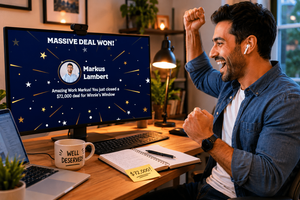
When employees receive immediate feedback and immediate rewards for their achievements, they’re more likely to stay engaged and maintain momentum throughout the sales cycle.
Instead of waiting until the end of a quarter to celebrate success, incentive programs create frequent moments of recognition that reinforce positive habits.
Improve Sales Performance
Incentives help focus attention on the activities that matter most, which can improve individual performance.
Whether the goal is increasing outbound calls, improving conversion rates, or accelerating pipeline growth, rewarding specific sales behaviors encourages consistent execution.
Clear, realistic goals combined with transparent progress tracking help salespeople understand exactly what success looks like.
Encourage Healthy Competition
Friendly competition creates energy across the sales floor.
Leaderboards, challenges, team competitions, and sales contests inspire representatives to push themselves while creating opportunities to celebrate wins together. The best contests build a competitive spirit without undermining teamwork.
When competition remains positive and inclusive, it strengthens collaboration instead of discouraging lower-performing team members.
Boost Employee Engagement
Recognition helps people feel valued. Public recognition boosts employee engagement by 2.2 times. Employees who feel recognized are 2.6 times more likely to believe promotions are fair.
Employees who regularly receive acknowledgment for their achievements are generally more engaged, committed, and invested in their work, which also supports employee well-being. Incentive programs provide frequent opportunities to celebrate progress, not just major milestones.
Support Employee Retention
Top-performing salespeople want to work in environments where effort is recognized.
An engaging incentive program demonstrates that the organization values both performance and professional growth, contributing to stronger employee satisfaction and retention over time, since not everyone is driven by monetary compensation alone. A mix of rewards supported by employee rewards and recognition programs can also help keep reps motivated over time.
How Gamification Makes Sales Incentive Programs More Effective
Gamification applies game-inspired mechanics to non-game environments to increase motivation and engagement.
Rather than changing the work itself, gamification changes how progress is experienced by giving teams instant visibility into how they are tracking.
Common gamification elements include:
- Live leaderboards
- Achievement badges
- Points systems
- Progress bars
- Challenges
- Team competitions
- Milestones
- Streaks
- Instant recognition
Research into gamification consistently shows that thoughtfully implemented game mechanics can increase engagement and encourage desired behaviors by making progress visible and rewarding.
For sales teams, this means routine activities become more engaging as reps engage with visible progress and feedback.
Making another prospecting call, booking one more meeting, or achieving a weekly target feels rewarding because progress is immediately recognized.
Key Components of an Effective Sales Incentive Program
1. Clearly Defined Goals
Every participant should understand the bigger picture as well as exactly what they’re working toward.
Goals should be:
- Specific
- Measurable
- Achievable
- Relevant
- Time-bound
They should also align with business needs.
Clear expectations eliminate confusion and improve participation.
2. Meaningful KPIs
Reward the behaviors that truly influence business outcomes.
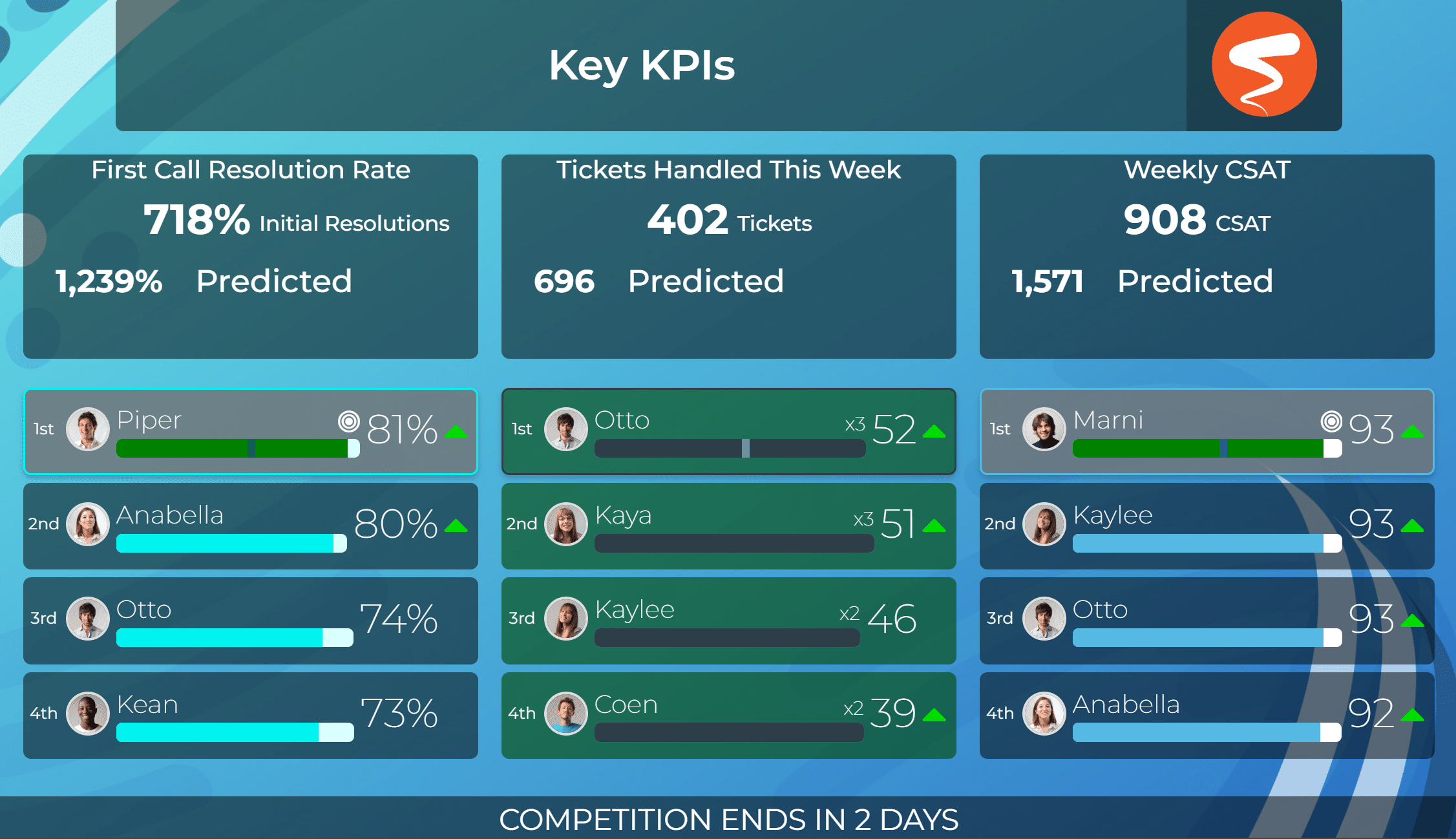
Examples include:
- Meetings booked
- Qualified opportunities
- Revenue closed
- Customer retention
- Product adoption
- Pipeline growth
- Customer satisfaction
Effective programs should tie at least half of their triggers to leading indicators.
The right KPIs depend on your organization’s sales strategy and the specific metrics tied to each stage of the sales process.
3. Fair and Transparent Rules
Participants should know:
- How points are earned
- How winners are determined
- When rewards are distributed
- How performance is tracked
Effective incentive design often uses tiered thresholds for qualification.
Transparency builds trust and encourages participation, and fair rules are a core part of good incentive design.
4. Real-Time Visibility
Salespeople perform better when they have real-time visibility into their progress and sales targets.
Real-time dashboards and leaderboards provide immediate feedback, helping individuals adjust their efforts before the incentive period ends, especially when using dedicated sales goal tracker tools for KPIs.
5. Frequent Recognition
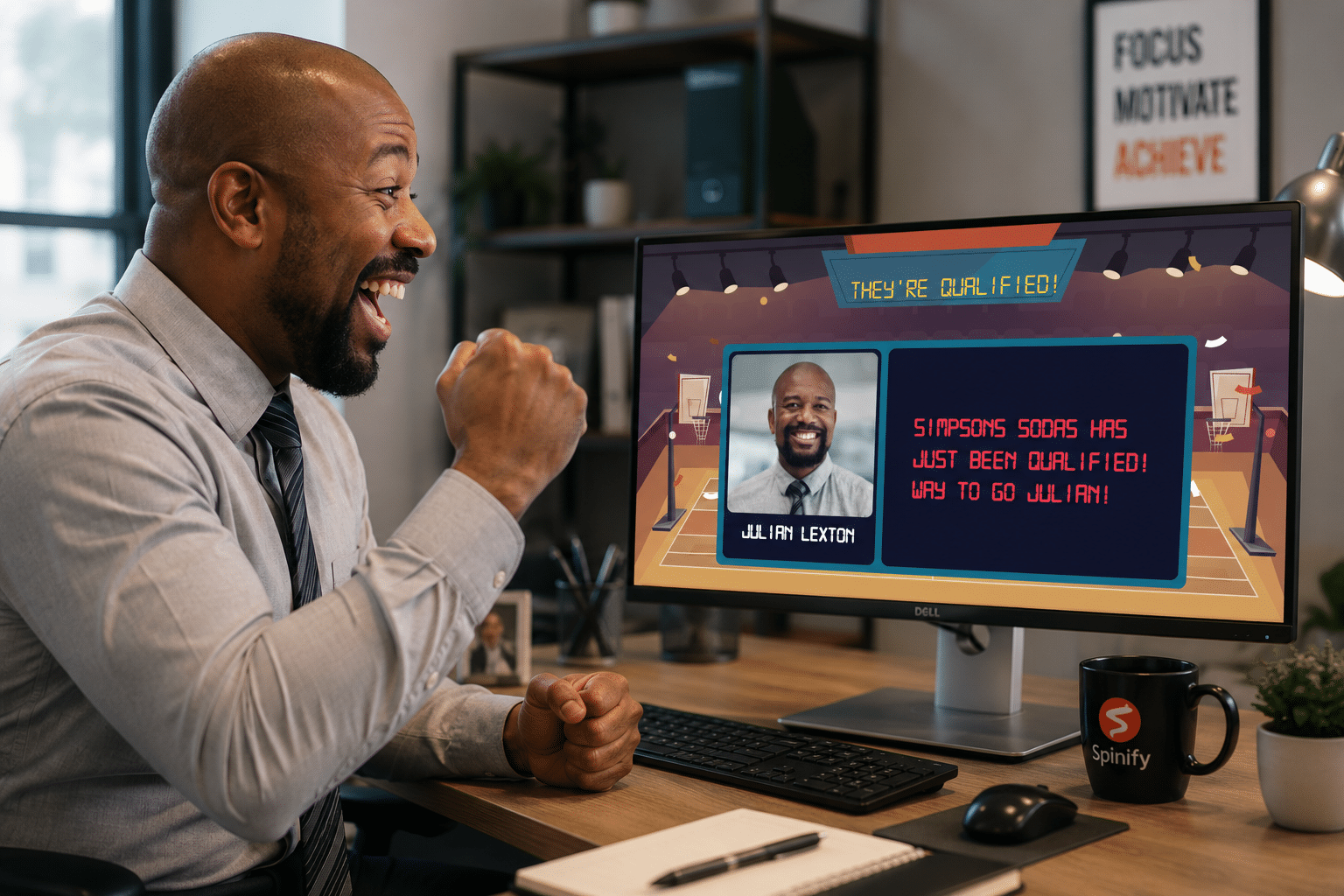
Recognition doesn’t always require expensive rewards and can be as simple as public praise from a senior leader.
Public shout-outs, digital badges, milestone celebrations, and team recognition often have lasting motivational value because they acknowledge effort as well as achievement. Recognizing both big wins and smaller milestones helps sustain momentum.
Done well, this kind of recognition strengthens culture and drives innovation.
Popular Types of Sales Incentives
Different teams respond to different rewards.
Common incentive options include:
Cash Bonuses
Ideal for short-term campaigns and performance milestones, cash bonuses are the most straightforward sales incentive and are often used as performance-based bonuses. They also work well when you want to reward reps quickly for hitting near-term milestones.
SPIFFs (Sales Performance Incentive Funds)
Target specific products or short-term objectives.
SPIFFs work well as presales incentives or product-focused rewards for short-term objectives before the deal closes.
Gift Cards
Flexible and easy to administer.
Experiences
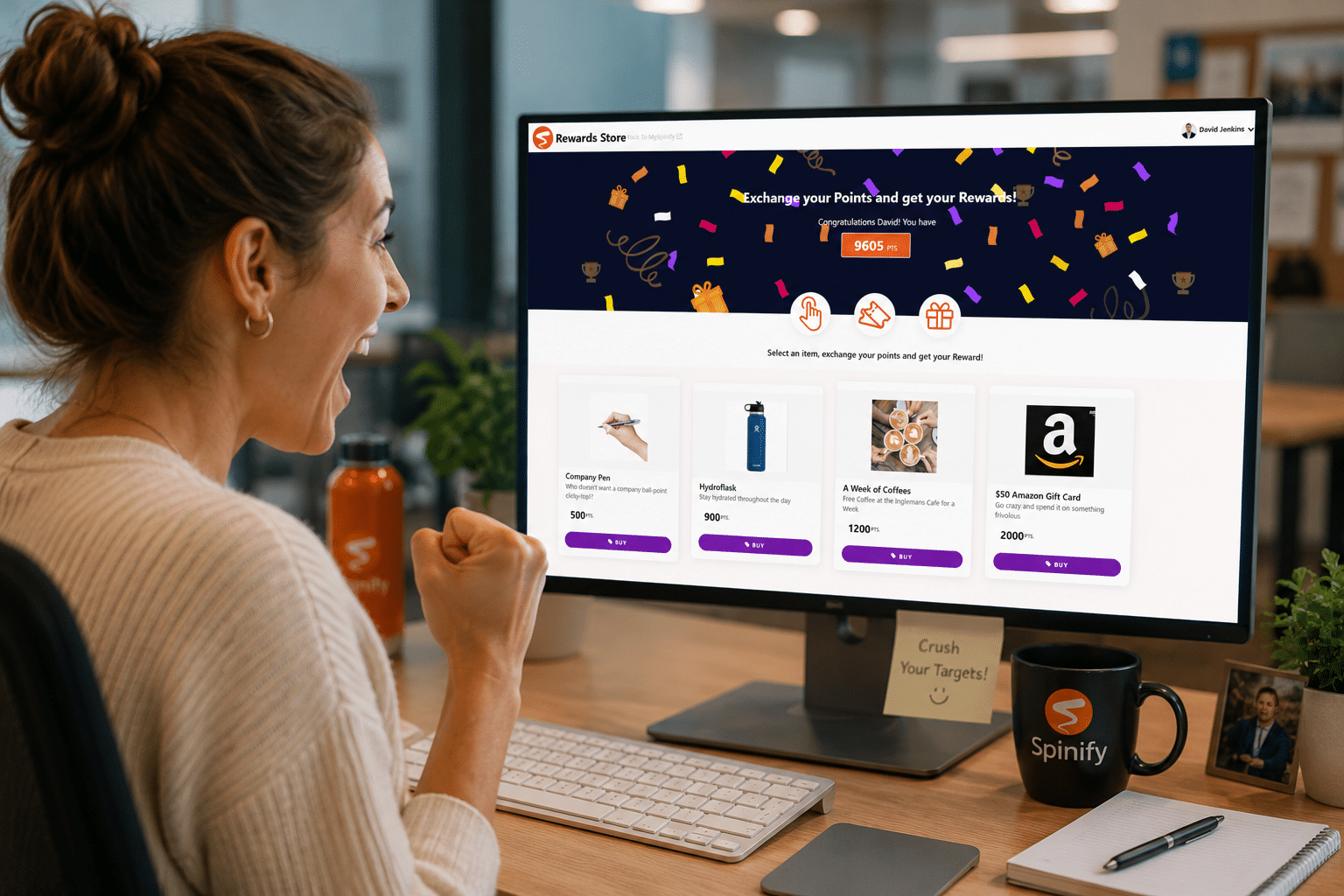
Travel, dining, sporting events, or unique experiences often create stronger memories than cash rewards. The best sales incentive prizes leverage experiences because experience-based rewards can feel more personal and memorable, and non-cash rewards can include PTO days, team dinners, and other shared outings that support a shared goal.
Professional Development
Courses, certifications, conference attendance, and coaching support long-term growth.
Extra Time Off
Additional paid leave remains one of the most appreciated non-cash rewards.
Recognition Awards
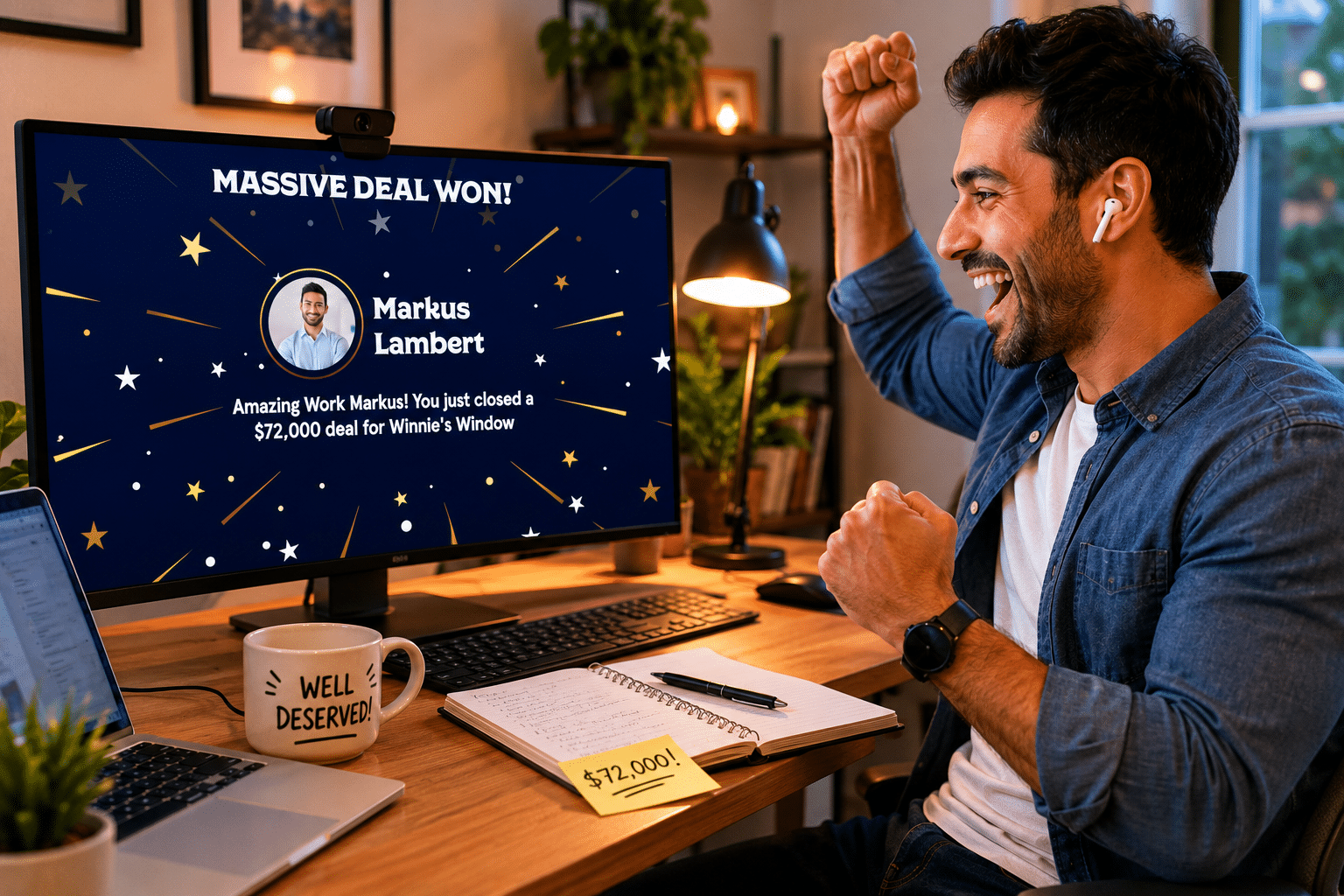
Public recognition reinforces positive behaviors while strengthening company culture, and dedicated employee recognition software can make it easier to celebrate wins consistently.
But money isn’t the only motivator, and rewards don’t have to blow the budget. Check out some more non-monetary rewards in the video below:
Common Mistakes to Avoid
Even well-intentioned programs can fall short if they’re poorly designed.
Avoid these common pitfalls:
Rewarding Only Top Performers
If only a few employees ever have a chance to win, participation may decline.
Instead, create multiple ways to succeed.
Making Rules Too Complicated
Simple programs generate higher participation.
When the program starts, clear communication of goals, rules, and rewards makes it easier for employees to understand how they earn rewards, and engagement suffers if that clarity is missing.
Waiting Too Long to Recognize Success
Immediate recognition reinforces behavior more effectively than delayed rewards.
Frequent feedback keeps motivation high.
Measuring Only Revenue
Revenue matters, but so do the activities that generate future revenue.
Balanced scorecards create healthier long-term performance by tracking lead generation and other pipeline actions throughout the sales process, not only at the finish line before a deal closes.
Ignoring Team Success
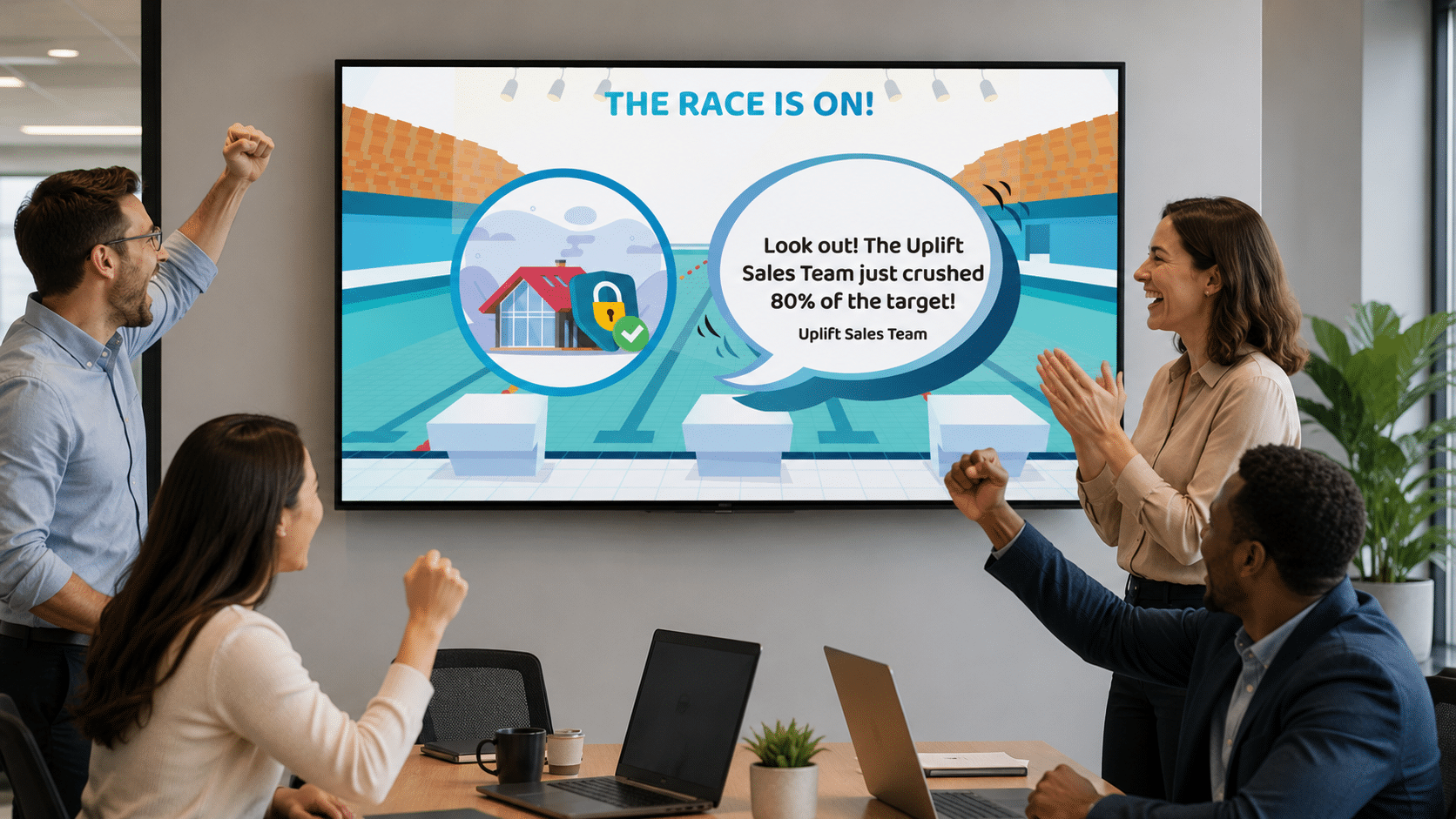
Sales isn’t always an individual effort.
Including collaborative goals encourages knowledge sharing, stronger team performance, and a clearer sense of team effort. When multiple reps work on the same deal, the incentive structure should recognize contributions fairly instead of treating every role on the same deal identically.
How Technology Improves Sales Incentive Programs
Modern sales organizations increasingly rely on technology to automate and enhance incentive programs across the broader sales organization.
Technology enables:
- Live leaderboards
- Automated competitions
- CRM integrations
- Instant recognition
- Performance dashboards
- Personalized challenges
- Analytics and reporting
- Mobile accessibility
Healthy programs often see a participation rate above 50%.
Automation reduces administrative work while giving sales managers better oversight through reporting and deeper insights into engagement and performance, particularly when leveraging sales coaching tools with gamification to guide day-to-day behaviors.
Why Gamification Delivers Long-Term Results
Gamification isn’t simply about making work more fun.
It helps reinforce the habits that lead to consistent sales success.
Well-designed gamification creates:
- Continuous motivation
- Greater accountability
- Higher participation
- Better visibility into performance
- Faster feedback loops
- Increased engagement
- Stronger team culture
Studies examining gamification across business settings have found that game mechanics such as points, badges, leaderboards, and progress tracking can positively influence motivation and engagement when aligned with meaningful goals.
How Spinify Helps Build High-Performing Sales Teams
Creating an engaging sales incentive program doesn’t need to be complicated.
Spinify helps organizations motivate sales teams through a SaaS sales gamification platform that delivers gamification, real-time recognition, and performance visibility.
With features including:
- Live leaderboards
- Automated competitions
- Team challenges
- Performance dashboards
- Recognition tools
- CRM integrations
- Goal tracking
- Real-time notifications
Sales leaders can create engaging incentive programs with role-specific incentives, show each role its potential earnings, and keep programs aligned with business objectives for contributors like account executives.
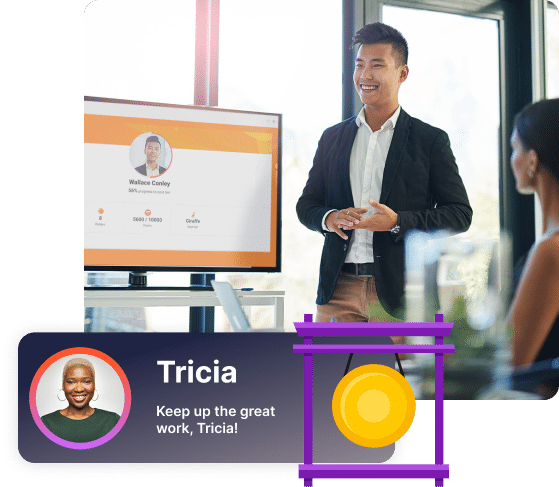
Whether you’re running a short-term sales contest or building a year-round recognition strategy, choosing a gamification solution like Spinify helps transform performance into an engaging experience that encourages continuous improvement.
Ready to energize your sales team? Book a Demo to see how Spinify can help you build a high-performing sales culture through gamification.
Best Practices for Launching a Sales Incentive Program
To maximize success:
- Define a measurable business objective.
- Reward behaviors, not just results.
- Tie at least half of the program triggers to the leading indicators.
- Keep rules simple and transparent.
- Use real-time performance tracking.
- Celebrate achievements frequently.
- Refresh challenges to maintain engagement.
- Gather employee feedback.
- Many teams budget 1–3% of total sales revenue for incentives, adjusted for deal size.
- Measure outcomes, calculate cost per incremental unit to evaluate ROI, and continuously improve the program.
An effective incentive program should reflect both business needs and incentive design decisions.
Frequently Asked Questions
What is a sales incentive program?
A sales incentive program is a structured rewards initiative designed to motivate sales professionals to achieve specific goals or demonstrate desired behaviors beyond their standard compensation plan.
How is a sales incentive different from commission?
Commission is earned directly from completed sales, while incentives reward broader achievements, behaviors, milestones, or objectives that contribute to business success.
Why is gamification effective for sales teams?
Gamification makes progress visible through elements such as leaderboards, badges, challenges, and points. These mechanics encourage engagement, create healthy competition, and provide immediate recognition that reinforces positive behaviors.
What rewards work best in a sales incentive program?
The most effective rewards depend on your team’s preferences, but many sales incentive program plans balance cash incentives for immediate motivation with non-cash rewards like gift cards, experiences, professional development, public recognition, and even PTO days or team dinners for longer-lasting impact. Not everyone prefers the same reward type.
How do you measure the success of a sales incentive program?
Track metrics such as participation rates, quota attainment, revenue growth, employee engagement, activity levels, customer outcomes, and retention. Comparing performance before and after implementation can help quantify the program’s impact.
How often should sales incentive programs change?
While long-term recognition strategies provide consistency, refreshing challenges, goals, and rewards periodically helps maintain excitement and prevents engagement from plateauing.
Final Thoughts
A successful sales incentive program does more than reward results; it creates an environment where motivation, recognition, and continuous improvement become part of everyday work.
By combining meaningful incentives with gamification, organizations can encourage the behaviors that drive long-term sales success, strengthen team engagement, and build a culture of healthy competition and achievement.
If you’re looking to create a more motivated, engaged, and high-performing sales team, book a demo or explore the Spinify Demo Center to discover how Spinify can help you bring your sales incentive strategy to life.