Gift cards, cash bonuses, and other rewards are more than just nice-to-have incentives. These powerful motivators can engage your team members in workplace activities and goals, increasing productivity while keeping your team aligned with their workplace goals through an effective sales incentive program. Additionally, employee incentive programs play a crucial role in enhancing employee engagement and motivation. There are many reasons why your business should incorporate rewards into your workplace dynamic. Not only is there scientific evidence to prove the power of rewards, but there are also various ways you can use them in the workplace.
We’re here to walk you through the benefits of rewards in the workplace and provide five innovative ways to incorporate them into your workplace dynamic.
Introduction to Incentives and Rewards

Incentives and rewards are essential tools for motivating employees, boosting employee engagement, and driving business success. By understanding the differences between incentives and rewards, organizations can design effective employee motivation programs that cater to the needs of their employees.
Definition of Incentives
Incentives are motivational tools used to encourage employees to achieve specific goals or objectives. They are typically offered in advance, creating anticipation that drives employees to focus on the desired outcome. Incentives can be monetary, such as cash bonuses or gift cards, or non-monetary, like extra vacation days or public recognition. By setting clear targets and offering appealing incentives, organizations can encourage employees to work harder and stay committed to their goals.
Definition of Rewards
Rewards are tangible items or recognition given to employees as a token of appreciation for their service, performance, effort, achievements, or behavior. Unlike incentives, which are promised in advance, rewards are given after an action has taken place. They can be monetary, such as salary increases or bonuses, or non-monetary, like certificates of achievement or company-wide shout-outs. Rewards serve to acknowledge and celebrate an employee’s accomplishments, making them feel valued and appreciated for their hard work and dedication.
Understanding Positive Behavior
Positive behavior is at the heart of a thriving classroom community and a successful school environment. When teachers focus on reinforcing positive behavior, they help motivate students to make good choices, support their peers, and contribute to a respectful and productive classroom. A well-designed reward system can transform classroom behavior, encouraging both individual students and the entire class to strive for excellence and meet expectations every school day.
Effective classroom management begins with setting clear behavioral expectations. When students know exactly what is expected—whether it’s to walk quietly in the hallway, complete their homework, or show kindness to classmates—they are more likely to stay motivated and engaged. Teachers can use tools like sticker charts, visual trackers, and creative reward ideas to help students earn recognition for their accomplishments. These strategies not only motivate children to develop new skills but also create excitement and a sense of achievement as students earn rewards for positive behavior.
Many schools have found that school-wide incentives and positive behavioral interventions are powerful ways to build a positive school culture. By celebrating good behavior with fun rewards—such as a water balloon fight, movie tickets, a field trip, or a pizza party—teachers can create memorable experiences that students love. These reward ideas can be tailored to different grade levels, ensuring that every student, from kindergarten to upper grades, feels included and motivated. Even small rewards like extra recess, sidewalk chalk, small toys, or a special privilege to sit in a favorite spot can make a big difference in keeping students motivated throughout the week.
The ultimate goal of reinforcing positive behavior is to help students develop self-regulation, responsibility, and a love of learning. When the whole class works together to earn a reward, it fosters teamwork and a sense of belonging, motivating students to support one another and celebrate each other’s successes. Teachers, staff members, and parents all play a vital role in this process, working together to create a supportive environment where every child can thrive.
By consistently tracking student behavior and celebrating accomplishments—whether it’s mastering a new math skill, completing a writing assignment, or showing leadership during group tasks—teachers can encourage students to stay engaged and keep building on their successes. With the right reward system and positive behavioral interventions in place, students are inspired to make good choices, develop new strategies for learning, and become confident, motivated members of the student body. This collaborative approach not only improves classroom behavior but also lays the foundation for lifelong skills and academic achievement.
The Sales Psychology Behind Gamified Incentives

It may surprise you that there is actual science behind the power of employee incentives. Employee rewards also play a crucial role in enhancing employee engagement and retention. These tools can alter your team’s brain chemistry, impact their approach to the workplace dynamic, and improve their decision-making skills.
Here’s the gamification psychology behind rewards:
Positive Reinforcement
Rewarding employees is the oldest trick in the book for positive reinforcement and motivational psychology. When your sales team reaches their goals or completes a task, they get a reward for their contributions and are likely to continue mimicking this behavior during working hours. This improves your team’s growth mindset development and helps with aligning rewards with goals.
Positive reinforcement helps employees learn that making good choices leads to rewards, encouraging them to repeat those behaviors.
Taps Into Their FOMO
Did you know that 7 out of 10 millennials experience FOMO to some degree? FOMO stands for fear of missing out. If the reward is an experience or a large prize that appeals to a larger audience, it will trigger your team’s FOMO. This will give them that extra boost of motivation they need to stay on task and go the extra mile during the workweek.
Provides a Dopamine Boost

Did you know that incentives are one of the best innovative behavior-shaping strategies that can provide your team with a dopamine boost? These tools tap into an individual’s brain’s reward system, with monetary rewards like cash commissions and bonuses serving as tangible acknowledgment of employee performance. When they finally reach their goal and get the reward they worked so hard to receive, they’ll get a boost of dopamine. This dopamine boost will keep your team coming back for more. Whenever they know they may receive a reward from a task or a goal, their workweek tasks will be associated with pleasure, which can keep your team satisfied and productive during the workweek.
Influences Your Intrinsic and Extrinsic Motivation
Intrinsic motivation comes from personal interest, while extrinsic motivation comes from external factors. Research suggeststhat immediate rewards can significantly promote both types of motivation in an individual. Everyone is different. Some employees are motivated more by personal success, while others are solely driven by rewards and incentives. Understanding your team’s likes and interests will help you fine-tune your workplace gamification strategies to align with your team’s motivations.
Gamification and Employee Incentive Programs
There are many ways to inspire motivation through gamification and incentives, including gamifying KPIs to boost sales performance. Gamification is the process of incorporating game elements into a non-game context. This process often includes games, leaderboards, and progress bars. Many businesses use gamification for engagement and pair incentives with different game elements to magnify their gamified initiatives. Data and research suggest that gamification can be a powerful tool for motivating employees, customers, and students. Sales psychology also plays a crucial role in enhancing employee motivation through gamification.
The Benefits of Incentives and Rewards
Incentives and rewards can have a significant impact on employee engagement, motivation, and retention. By offering well-designed incentive programs and meaningful rewards, organizations can encourage employees to work harder, achieve specific goals, and feel valued and appreciated. These tools not only boost employee engagement but also foster a positive work environment where employees are motivated to perform at their best. When employees feel recognized and rewarded for their efforts, they are more likely to stay with the company, reducing turnover and enhancing overall job satisfaction.
Creating a Supportive Environment
Creating a supportive environment is essential for encouraging positive behavior and motivating students to reach their full potential. When teachers establish clear behavioral expectations and implement a consistent reward system, they lay the foundation for a thriving classroom community where every student feels valued and inspired to make good choices. Positive Behavioral Interventions and Supports (PBIS) is an evidence-based framework designed to improve student behavior, enhance social-emotional skills, and encourage a positive school culture. PBIS emphasizes the importance of teaching clear behavioral expectations to all students, which can be reinforced through various reward systems.
One of the most effective ways to reinforce positive behavior is by using practical tools like sticker charts, classroom incentives, and creative reward ideas. For example, teachers can motivate kids to walk quietly in the hallway, complete their homework, or show kindness to peers by allowing them to earn points or tokens. These small rewards can be redeemed for special privileges, such as extra recess, free time to play with sidewalk chalk, the chance to sit in a favorite spot, or even participating in a cotton candy party, a canvas painting party, or earning the privilege to care for classroom plants. Over time, these positive behavioral interventions help students develop good habits and a sense of accomplishment.
Many schools have found that school-wide incentives create excitement and motivate the entire student body to meet expectations. Reward ideas like a water balloon fight, a pizza party, or a field trip for the whole class can inspire students to work together and support one another in making positive choices. These experiences not only celebrate good behavior but also strengthen the bonds within the classroom and across grade levels, building a positive school culture. Tailoring rewards or privileges to specific grade levels can further motivate students by recognizing their achievements at different educational stages. For example, incentives can be adapted by grade level—such as organizing a pajama day for younger students, while older students might enjoy a movie afternoon—ensuring that rewards are age-appropriate and meaningful for each group.
Teachers can also tailor rewards to individual students, recognizing unique accomplishments and encouraging the development of new skills. Whether it’s a movie ticket for a student who consistently demonstrates good behavior or extra time for a group that completes a challenging task, these incentives help keep kids motivated and engaged in their learning. By offering a variety of rewards—ranging from small toys to special privileges—teachers can ensure that every child finds something to work toward.
Ultimately, the goal is to create a classroom environment where positive behavior is consistently recognized and celebrated. By combining clear behavioral expectations with a thoughtful reward system, teachers can motivate students, foster a supportive classroom community, and encourage the entire class to strive for excellence. These strategies not only improve classroom behavior but also contribute to academic success, social-emotional growth, and a positive atmosphere that benefits students, teachers, and parents alike.
Sustaining Motivation and Engagement
Sustaining motivation and engagement is essential for fostering positive behavior and effective classroom management throughout the school day. When teachers implement a thoughtful reward system, they not only motivate students to meet expectations but also help build a strong classroom community where every child feels valued and inspired to make good choices.
One proven strategy is to offer a variety of reward ideas that appeal to both individual students and the entire class. For example, students earn privileges like extra recess, homework passes, or the chance to be a classroom helper or line leader. These incentives can be tailored to recognize unique accomplishments, whether a student masters a new skill in math, completes a challenging writing assignment, or consistently demonstrates good behavior. By providing opportunities for individual students to shine, teachers can motivate children to stay engaged and strive for their best.
Whole-class rewards are another powerful way to create excitement and reinforce positive behavior. When the entire class works together to walk quietly in the hallway, complete their homework, or show kindness to peers, they can earn fun experiences such as a pizza party, movie tickets, a water balloon fight, or even a field trip. These school-wide incentives encourage teamwork and help the student body feel connected, while also making the ultimate goal of positive behavior something everyone can celebrate together.
Many schools have embraced Positive Behavioral Interventions and Supports (PBIS) to teach clear behavioral expectations and reinforce positive choices. By integrating PBIS principles, teachers can use consistent reward systems—like sticker charts, reward cards, or visual trackers—to help students track their progress and stay motivated. These tools not only make accomplishments visible but also encourage students to keep working toward new goals.
Involving staff members and parents in the reward system can further strengthen the classroom community. When children receive recognition from teachers, peers, and family members, it reinforces the importance of good behavior and helps students feel supported in their efforts. Whether it’s a staff member handing out small toys, sidewalk chalk, or laser tag passes, or parents celebrating their child’s achievements at home, these gestures help keep students motivated and engaged.
Ultimately, the key to sustaining motivation is to keep reward systems fresh, fun, and meaningful. By offering a mix of individual and whole-class incentives, using creative reward ideas, and involving the entire school community, teachers can create an environment where students love to learn, feel excited to meet expectations, and consistently demonstrate positive behavior. This approach not only improves classroom behavior but also helps students develop the skills and confidence they need to succeed—both in school and beyond.
Monitoring Progress and Evaluating Effectiveness
Monitoring progress and evaluating the effectiveness of your reward system is essential for building a classroom community where positive behavior thrives. By consistently tracking student behavior—whether it’s individual students, the entire class, or the student body as a whole—teachers can ensure that their positive behavioral interventions are truly motivating students and reinforcing good choices throughout the school day.
A successful classroom management strategy starts with setting clear behavioral expectations. When students know exactly what is expected of them, it becomes easier to track their accomplishments and provide meaningful feedback. Tools like sticker charts, behavior tracking systems, and creative reward ideas such as a walk quietly challenge or a water balloon fight can create excitement and keep students motivated to meet expectations. Many schools have found that when students earn rewards for positive behavior, it not only encourages individual growth but also strengthens the entire class dynamic.
Whole-class and school-wide incentives are especially effective for reinforcing positive behavior and motivating children across different grade levels. For example, when the whole class demonstrates good behavior, they might earn extra recess, a pizza party, a special privilege like a movie day, or even a field trip. Small toys, sidewalk chalk, or a round of laser tag can also be used as fun, tangible rewards that students love. These incentives help create a sense of accomplishment and encourage students to work together toward a common goal. Incentives can also be tied to academic activities, such as math games, reading challenges, writing contests, or special lessons, making behavior incentives more engaging and educational.
To evaluate the effectiveness of your reward system, it’s important to use a variety of methods. Teachers and staff members can track student behavior and rewards using digital behavior tracking software or traditional sticker charts. Regular surveys and focus groups with students, parents, and staff provide valuable feedback on what’s working and what could be improved. Analyzing data on behavioral incidents, attendance, and academic performance helps identify trends and areas for growth. Observing classroom behavior and providing feedback to teachers ensures that positive behavioral interventions are being implemented consistently. Schools often reward students for their efforts and growth through various PBIS reward ideas, which can include individual, classroom, or school-wide incentives.
Overcoming Challenges and Obstacles
Implementing a Positive Behavioral Interventions and Supports (PBIS) system can be both rewarding and challenging. Many schools and teachers encounter obstacles such as limited resources, inconsistent staff participation, and the difficulty of keeping both individual students and the entire class motivated to meet expectations. However, with creativity and a commitment to building a positive classroom community, these challenges can be transformed into opportunities for growth and engagement.
One common hurdle is designing a reward system that is fair, consistent, and truly effective in reinforcing positive behavior. To address this, teachers can introduce a variety of reward ideas that appeal to different students and grade levels. For example, using sticker charts to track when students walk quietly in the hallway or complete their homework can help students earn small rewards, such as extra recess, a special privilege like being the classroom helper, or a homework pass. These simple strategies not only motivate students but also make clear behavioral expectations visible and attainable.
Another challenge is ensuring that all staff members are invested in the PBIS program. Building buy-in can be achieved by offering professional development focused on positive behavioral interventions, encouraging staff to share their own reward ideas, and celebrating successes together. When teachers and staff members collaborate to create a supportive environment, it becomes easier to motivate students and reinforce good behavior across the entire class and student body.
Budget constraints and limited resources can also pose obstacles, but they can be overcome with creative, low-cost reward ideas. Organizing a water balloon fight, a sidewalk chalk art day, or a field trip to a local park are fun ways to celebrate positive behavior without breaking the bank. Involving parents and the community in fundraising or volunteering can further expand the range of rewards and experiences available to students.
How to Use Incentives To Create a High-Performing Team Environment
Once you understand the science behind incentives, you’ll need to find ways to use a sales incentive program to your advantage, starting with crafting effective incentive programs. Sales targets play a crucial role in motivating sales teams by providing structured incentive and reward systems, from traditional office-based sales to specialized sectors like solar sales teams using gamification. The ultimate goal of implementing incentive programs in the workplace is to reinforce positive behaviors and drive your team toward achieving key organizational objectives. It’s important to remember that you want the rewards you choose to complement the workplace dynamic, not take away from it. That means you need to find a healthy balance that allows your team to grow professionally while still experiencing the benefits of rewards for their contributions.
Here are five team motivation techniques you can infuse with recognition-based incentives.:
Set Goals That Align With Rewards
Every time your sales reps reach their new personal best, reward them! This is a great way to use positive reinforcement to keep your team engaged with their workweek tasks and motivate them to go above and beyond.
Teaching clear expectations to employees and reinforcing them through rewards is essential for effective motivation, similar to how Positive Behavioral Interventions and Supports (PBIS) emphasizes teaching clear behavioral expectations and reinforcing them with reward systems.
Every time they reach their goal, make it higher the next month and increase the reward. This will help your team stay aligned with their goals and push them towards their true potential.
Schedule Monthly Mini Competitions and Games
Mini competitions are a fun way to inspire friendly competition and keep your team engaged with mundane tasks and projects. When you plan out your monthly competitions and pair them with rewards, such as free passes, free activities, or extra time (like extra break time or extended lunch), it is a great way to generate excitement in the workplace and tap into your team’s competitive side. A comprehensive promotion and communications plan is essential to raise awareness of these competitions and games.

When planning regular competitions, look for ways to even the playing field every month. If you’re always focused on revenue or numbers, it can discourage your underperformers. Instead, consider planning games that focus on:
- Booked Demos
- Prospecting Calls
- Prospecting Emails
- Deals Closed
- Renewals
- Upsells
This is also a great way to remind your team about other tasks on their plate and help them adjust their approach to everyday tasks.
Spin a Prize Wheel
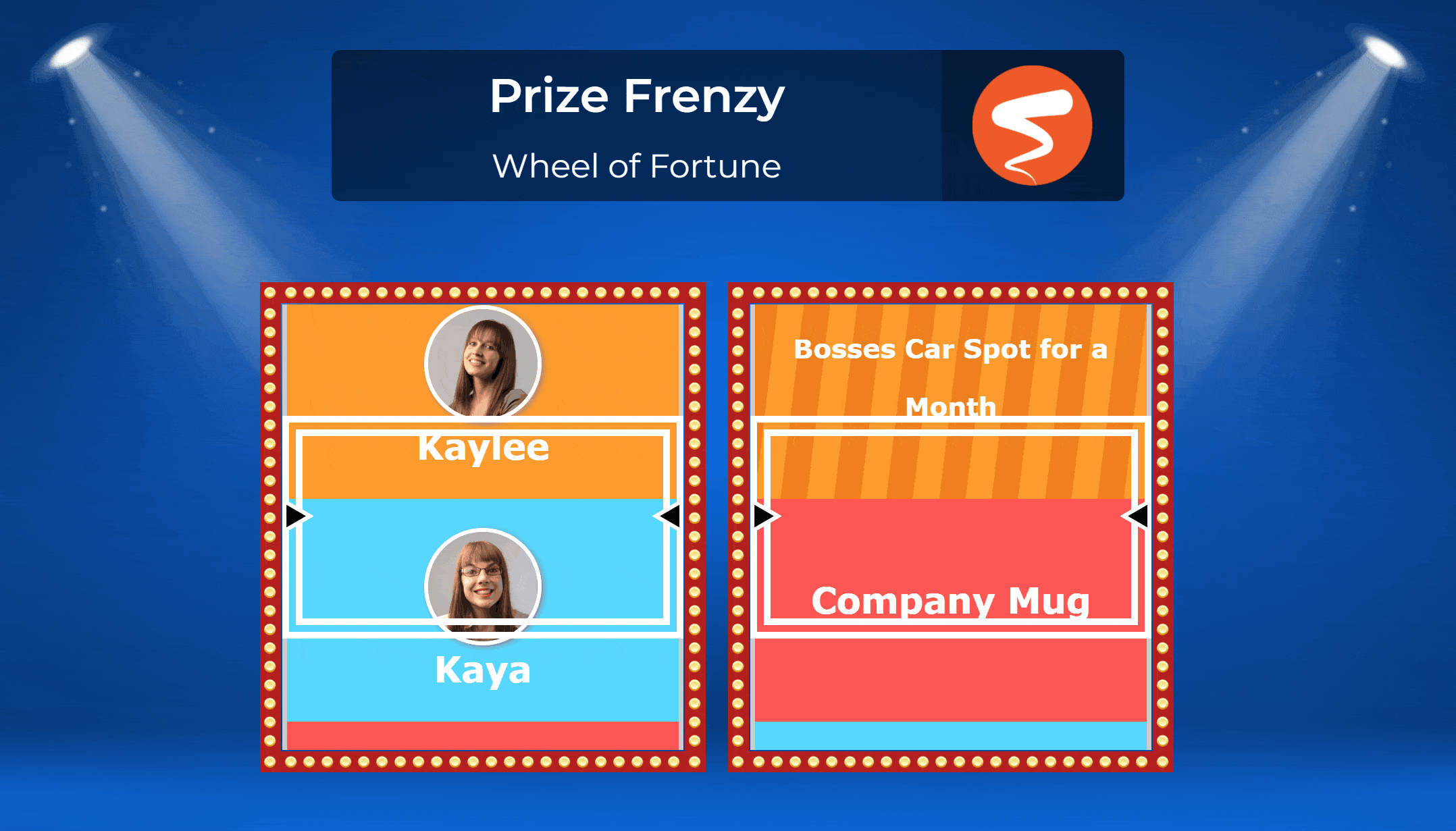
A prize wheel is a great team performance enhancement that will keep your team engaged during weekly all-hands meetings. It’s a great way to even the playing field and show your team they can earn a reward for reasons that aren’t always revenue-based. With a prize wheel, you can choose who gets to spin.
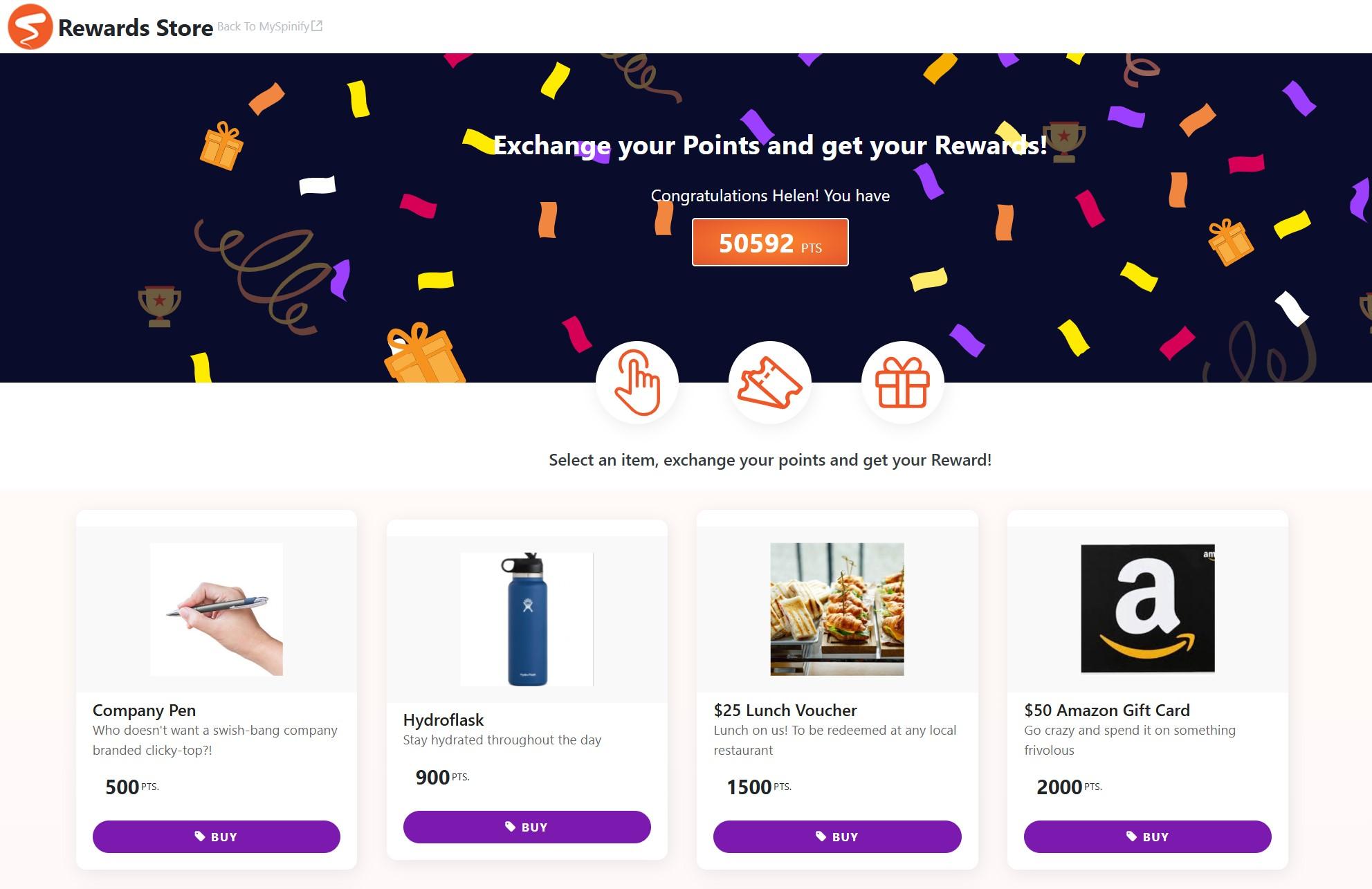
Spinify is a sales gamification tool that has prize wheels, and teams can follow a simple process for creating prize wheels in Spinify. You can pick random individuals to spin or the top five performers for the week – the choice is yours. With this platform, you can include as many prizes and rewards as possible. Whether it’s something small like a team member getting the best parking spot for the week, movie tickets, or tickets to a sporting event, our platform allows your leadership to customize the prizes and incentives to align with your team’s needs.
Use Visuals to Boost Employee Engagement
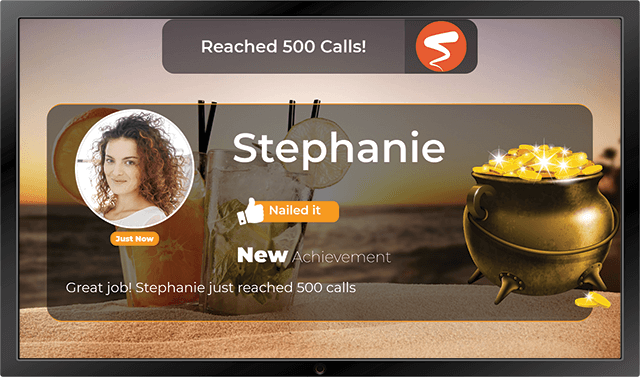
The truth is that sometimes rewards and incentives are not enough. Simply telling your team that they’ll win a cash bonus or a gift card won’t be enough to keep them motivated throughout the week.
With game elements like leaderboards and progress bars in sales gamification software, you can ensure the rewards are always top of mind for your team. When they clock in to start their day, they’ll look at the current leaderboard standings or their personalized progress bar to know how close or far they are from reaching their goals.
Additionally, incorporating music into team meetings or celebrations can further boost engagement and create a lively atmosphere, making recognition moments more memorable and enjoyable.
Build Out a Recognition Program for Rewarding Employees
A recognition program needs structure, a defined frequency, and prizes to enhance employee satisfaction, especially for distributed teams using a sales gamification platform for remote teams. When employees feel valued through various incentive programs and recognition methods, it boosts their motivation and retention. For this program to work, you need to educate your team and keep them in the know about the prizes and rewards they can win. Any staff member can participate in nominating or recognizing peers for rewards, making the program more inclusive and engaging. There are many ways to build out a recognition program. This includes:
Performance-Based: Reward the team when they reach or exceed their weekly, monthly, or annual goals.
- Point-Based: Hand out points throughout the week and allow your team to cash out these points for a reward of their choice.
- Manager-Based: Managers and leaders hand-pick employees at the end of the month to recognize and hand out performance-driven rewards.
- Employee-Based: Peers freely nominate team members to receive a reward throughout the month. At the end of the month, the nominated employees spin a prize wheel to see who wins.
The best way to improve your reward system’s effectiveness is to get creative! A well-thought-out recognition program has the power to tap into your team’s intrinsic and extrinsic motivation. You need to take some time to consider their needs and what works best for them.
Use Incentives and Rewards to Your Advantage With Spinify
Spinify is an AI-powered sales gamification platform that uses game elements and incentives to help create a culture of cultivating excellence and positive behavior reinforcement through an effective employee incentive program. Sales professionals can greatly benefit from Spinify’s SaaS sales gamification platform by enhancing their job satisfaction and motivation through tailored incentives. With our platform, you can find innovative ways to integrate gamification into everything you do while inspiring motivation and engagement. Whether you’re trying to motivate your customer service team or your sales team, our sales gamification platform to engage your team is here to help you develop and implement a strategy that meets the needs of your team.
Experience the power of gamification and Spinify with a Product Tour today, or explore our demo center to see core features in action.