Music has long been recognized as a powerful tool for boosting mood, productivity, and engagement. In today’s fast-paced work environment, where distractions are abundant, leveraging music strategically can enhance focus, motivation, and collaboration. In fact, studies show that Music Can Improve Focus and engagement.
Spinify, a leader in sales performance gamification, integrates music into the workplace experience through AI-powered engagement features. Whether it’s playing YouTube videos in Spinify Channels or allowing users to set their favorite song to celebrate achievements, Spinify helps companies create an energized and productive atmosphere. In this guide, we explore how music influences focus and engagement and how AI-driven solutions can maximize its impact in the workplace.
Music increases workplace productivity by 90% according to recent studies—but only when implemented strategically. The right music at the right time can transform focus, reduce stress, and boost team engagement. The wrong music or poor implementation can create distraction and decrease performance.
For managers, HR professionals, and team leaders looking to enhance workplace productivity through music, understanding both the science and practical application is essential. This isn’t about simply playing background music—it’s about matching specific genres to tasks, timing music strategically throughout the day, and integrating music with recognition systems for maximum impact.
What you’ll discover in this comprehensive guide:
- The neuroscience behind how music affects focus, memory, and productivity
- Genre-by-task matching: which music works best for different work activities
- Practical implementation strategies for in-office and remote teams
- How Spinify integrates music with gamification for sustained engagement
- Common mistakes that make music counterproductive (and how to avoid them)
- 10 scientifically-proven motivational songs with specific use cases
Whether you’re trying to boost focus during deep work, energize teams during midday slumps, or celebrate achievements with personalized music rewards, this guide provides evidence-based strategies that work. Platforms like Spinify have pioneered music integration with performance tracking, allowing teams to trigger celebration songs automatically when milestones are hit—creating powerful positive associations between achievement and reward.
The Science Behind Music and Productivity
Research from esteemed institutions like Stanford University and Harvard Business Review demonstrates that music can significantly enhance cognitive function, motivation, and stress reduction. Classical and instrumental tracks, in particular, are known to improve concentration by providing a harmonious and structured auditory environment. These genres facilitate deep focus, enabling employees to tackle work tasks more efficiently. Additionally, music can evoke positive emotions, leading to increased job satisfaction and an enjoyable workplace atmosphere, which is crucial for maintaining high productivity levels.

On the other hand, upbeat music, such as pop and electronic dance, is effective in boosting energy and motivation. These lively genres stimulate dopamine release, promoting a sense of pleasure and reward. This can invigorate employees, helping them stay engaged and dynamic during demanding work periods. By strategically integrating music into the workplace, organizations can enhance cognitive performance and promote overall well-being, fostering a productive and harmonious environment.
How Music Influences the Brain
Music engages multiple brain regions, including the auditory cortex, limbic system, and prefrontal cortex. This activation helps regulate emotions, improve memory retention, and sustain focus throughout the workday. The auditory cortex processes sounds and rhythms, allowing individuals to discern different musical elements. Meanwhile, the limbic system, which plays a crucial role in emotion regulation, is stimulated by music, leading to mood enhancement and stress reduction. This emotional uplift can create a more positive work environment, contributing to increased job satisfaction and overall well-being.
Moreover, the prefrontal cortex, responsible for higher cognitive functions such as decision-making and problem-solving, is activated by music, enhancing concentration and creativity. This can lead to improved task performance as employees are better equipped to tackle complex work tasks. Music also facilitates the release of neurotransmitters like dopamine, which promotes feelings of pleasure and motivation, keeping employees engaged and productive. By understanding these neurological effects, organizations can strategically incorporate music into their workplace to boost cognitive performance and foster a
Creating a Motivational Workplace Atmosphere with Music
Companies like Google and Shopify have recognized the transformative power of music in fostering a positive work environment. By incorporating shared office playlists and allowing team-selected music, these organizations not only boost morale but also enhance teamwork and collaboration. Music serves as a universal language that can bring colleagues together, creating a sense of community and shared purpose.
This communal music experience can lead to increased job satisfaction, as employees feel more connected to their peers and the organization. Moreover, the strategic use of background music can aid in reducing stress and promoting a calm and focused work atmosphere, which is essential for maintaining high levels of productivity and creativity.

In addition to fostering camaraderie, music consumption in the workplace can significantly impact individual performance and well-being. High-quality headphones can provide employees with the freedom to tailor their auditory environment to suit their personal preferences, whether it’s the soothing sounds of ambient music or the invigorating beats of jazz. This personalization of music allows employees to engage in deep focus and problem-solving, ultimately enhancing their ability to perform complex work tasks.
Furthermore, the positive effects of music on mood can lead to increased creativity and innovation, as employees are more likely to generate new ideas and approaches. By integrating music into the workplace, companies can create an enjoyable and dynamic environment that not only motivates employees but also contributes to their overall well-being and job satisfaction.
How Spinify Makes Music a Core Part of Workplace Engagement
Spinify transforms the workplace experience by integrating music with gamification, AI-driven recognition, and performance tracking. Employees stay motivated and engaged through personalized music rewards and collaborative playlists. By using music as a central component of its platform, Spinify not only enhances individual productivity but also fosters a sense of community and collaboration among team members. The integration of music with gamification elements creates a vibrant and interactive work environment where achievements are celebrated with enthusiasm.
Using Spinify Channels to Stream YouTube Music for Teams
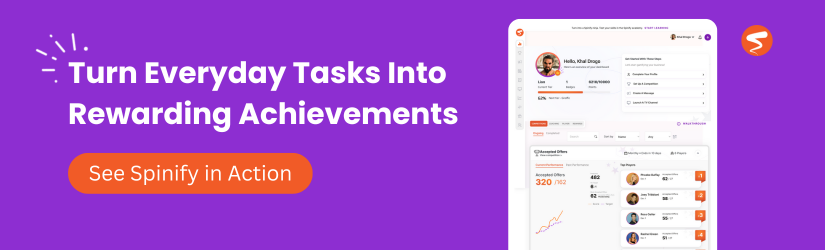
Spinify Channels allow teams to integrate YouTube music and videos into their workflow. Managers can set up music-based leaderboards and team playlists to energize employees throughout the day. This feature enables teams to curate a diverse range of music that resonates with their collective tastes, promoting a more cohesive and energized workplace. The ability to stream music directly through Spinify Channels ensures that employees have access to a constant source of motivation and inspiration, helping them maintain focus and drive.
Music as a Reward: Celebrating Achievements with Spinify

With Spinify, employees can choose their favorite song to play when they achieve milestones. This feature creates a fun and personalized recognition experience, reinforcing motivation and engagement. By allowing employees to associate their successes with music that holds personal significance, Spinify fosters a deeper emotional connection to their achievements. This personalized musical celebration not only boosts morale but also encourages employees to strive for continuous improvement. The integration of music as a reward system highlights Spinify’s commitment to creating a dynamic and motivating workplace culture, where music serves as a catalyst for performance and engagement.
The Best Types of Music for Workplace Focus
Studies show that different genres affect productivity in unique ways, offering a variety of benefits tailored to specific work tasks and environments:
- Classical and Instrumental: These genres are renowned for their ability to enhance deep focus and concentration. The structured and harmonious compositions of classical music create an ideal background for tasks that require intense mental effort and precision. Instrumental music, free from distracting lyrics, allows the brain to engage in uninterrupted problem-solving and creative thinking, making it perfect for complex projects or analytical work.
- Lo-Fi and Ambient: Lo-fi and ambient music are excellent choices for reducing stress and facilitating a smooth workflow. The soothing, mellow beats of lo-fi music can help create a relaxed atmosphere that minimizes anxiety and promotes a steady pace of work. Ambient music, with its gentle and continuous soundscapes, can serve as a subtle auditory backdrop that enhances mindfulness and keeps distractions at bay, allowing employees to maintain a calm and focused state of mind.
- Upbeat Pop and EDM: When energy and motivation are needed, upbeat pop and electronic dance music (EDM) can be highly effective. These lively genres stimulate the release of dopamine, the brain’s “feel-good” neurotransmitter, which can invigorate employees and boost their enthusiasm for tackling demanding tasks. The rhythmic beats and catchy melodies of pop and EDM can elevate mood and increase alertness, making them ideal for high-energy work environments or when a quick pick-me-up is required.
- Nature Sounds: Incorporating sounds of nature, such as flowing water, rustling leaves, or birdsong, can create a calming and distraction-free environment. These natural soundscapes can help reduce stress and improve concentration by providing a sense of tranquility and connection to the natural world. Nature sounds are particularly beneficial in open office settings where noise levels can be high, as they offer a serene auditory escape that fosters a peaceful and productive atmosphere.
By understanding the unique effects of these music genres, organizations can tailor their auditory environments to suit the needs of their employees, ultimately enhancing focus, creativity, and overall job performance.
Complete Genre-by-Task Matching Guide
Not all music works for all tasks. Here’s a detailed breakdown of which genres maximize performance for specific work activities:
Deep Focus Work (Coding, Writing, Data Analysis)
Best genres: Classical (Bach, Mozart), Lo-fi hip-hop, Ambient, Instrumental electronic
Why it works: No lyrics to compete with language processing; consistent rhythm maintains flow state; 60-70 BPM matches optimal brain wave patterns for focus
Recommended tracks:
- “Goldberg Variations” (Bach) – mathematical precision aids analytical thinking
- Lo-fi beats playlists – consistent tempo prevents distraction
- “Music for Airports” (Brian Eno) – designed specifically for concentration
When to avoid: Never use upbeat pop, rap with complex lyrics, or songs with jarring tempo changes during deep work.
Creative Brainstorming & Problem-Solving
Best genres: Jazz, Indie folk, World music, Moderate-tempo electronic
Why it works: Jazz’s improvisational nature stimulates divergent thinking; complex harmonies encourage novel connections; moderate stimulation prevents overthinking
Recommended tracks:
- “Kind of Blue” (Miles Davis) – encourages exploratory thinking
- Indie folk with rich instrumentation – stimulates imagination without overwhelming
Implementation tip: Start brainstorming sessions with 5 minutes of energizing music, then switch to moderate-tempo background music.
Repetitive Administrative Tasks (Data Entry, Email Processing)
Best genres: Upbeat pop, EDM, Funk, Upbeat country
Why it works: Faster tempo (120-140 BPM) maintains energy and prevents boredom; familiar songs require little cognitive processing; dopamine release from enjoyable music counteracts monotony
Recommended tracks:
- “Can’t Stop the Feeling!” (Justin Timberlake) – maintains high energy
- EDM playlists with consistent BPM – creates rhythm for repetitive actions
Sales Calls & Client Interactions
Best approach: Pre-call music for confidence; silence or very low ambient during calls; celebration music post-success
Pre-call confidence boosters:
- “Eye of the Tiger” (Survivor) – builds determination
- “Lose Yourself” (Eminem) – creates focus and intensity
Post-success celebration: Use Spinify’s automatic celebration songs to trigger personal victory anthems when deals close, creating immediate positive reinforcement.
Collaborative Team Meetings
Best genres: Upbeat instrumental, Feel-good pop, Funk
Timing strategy:
- Pre-meeting (5 min): Energizing tracks as people arrive (“Happy” by Pharrell)
- During meeting: OFF (music competes with conversation)
- Break transitions: Short burst of upbeat music (30-45 seconds)
- End of meeting: Victory song if goals were met
High-Stress Periods (Quarter-End, Major Launches)
Best genres: Motivational anthems, High-energy rock, EDM
Why it works: Combats stress with energy; creates sense of urgency; collective listening builds team solidarity
Warning: Limit to 2-week sprints maximum—sustained high-intensity music causes fatigue. Follow with recovery period using calmer music.
Midday Energy Recovery (12-2 PM Slump)
Best genres: Moderate-tempo pop, Acoustic covers, Light electronic
Implementation: 15-minute “power playlist” at 1:30 PM office-wide, combining music with short break to maximize recovery.
🎵 Implementation Checklist: For each work activity type above, create a dedicated Spotify/Apple Music playlist. Label clearly (“Deep Focus,” “Admin Tasks,” “Team Energy”) and share links with team. Update quarterly based on engagement and performance data. Survey team preferences—music that works for 70% of team is better than music perfect for 30%.
Enhancing Team Collaboration with Shared Playlists
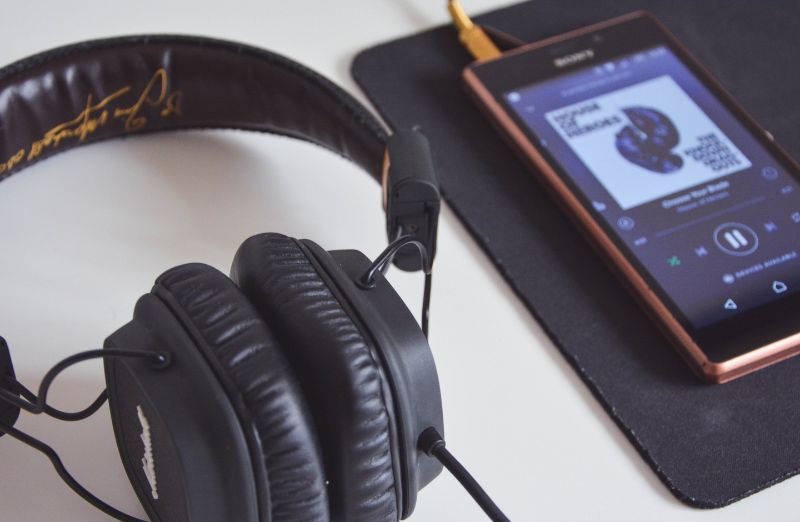
Platforms like Spotify and YouTube provide teams with the opportunity to curate shared playlists, fostering collaboration and unity. These playlists allow team members to express their musical preferences, creating a shared auditory experience that enhances communication and camaraderie. The act of collectively selecting songs can also serve as a fun team-building activity, strengthening interpersonal relationships and contributing to a positive work environment.
Spinify enhances this collaboration by integrating music into team competitions, making the experience more engaging and dynamic. By using music as part of performance tracking and recognition, Spinify energizes teams and celebrates their achievements with personalized soundtracks. This integration not only boosts morale but also encourages teamwork and motivation. By leveraging music, organizations can create a more vibrant and cohesive work environment, where employees feel connected and inspired to excel.
Music’s Role in Reducing Workplace Stress
Calming music significantly reduces workplace stress by lowering cortisol levels, the hormone associated with stress and anxiety. Incorporating soothing sounds, such as piano music or ambient music, creates a peaceful background that enhances mental well-being and focus. This auditory environment not only alleviates tension but also boosts mood and increases job satisfaction, fostering a more harmonious and productive workplace atmosphere.
Employers can utilize Spinify’s music integration features to establish stress-relief sessions or provide continuous background music for relaxation. By offering high-quality headphones and personalized playlists, organizations can promote a culture of mindfulness and self-care. This approach helps employees manage stress effectively, leading to improved performance and creativity. The strategic use of music in the workplace is a powerful tool for reducing stress, enhancing well-being, and cultivating an engaging work environment.
Boosting Engagement with Gamified Music Experiences
Gamification enhances workplace engagement by combining achievements with music rewards. Spinify enables employees to celebrate wins with their personal anthems, making success more enjoyable. By integrating music into gamified experiences, organizations can tap into the emotional power of music to create a more engaging and fulfilling work environment. Music acts as a catalyst for motivation, transforming routine tasks into exciting challenges. When employees accomplish goals, the immediate reward of hearing their chosen song reinforces positive behavior and encourages continued effort. This personalized touch not only adds a layer of fun to the workplace but also strengthens the emotional connection employees feel toward their achievements, leading to higher job satisfaction and a sense of belonging.

Moreover, gamified music experiences can foster a culture of healthy competition and collaboration. When teams are recognized with music-based rewards, it encourages a spirit of camaraderie and collective achievement. Employees are more likely to support one another and work towards common goals when they know their successes will be celebrated in a unique and enjoyable way. This approach can also lead to increased creativity, as employees are inspired to think outside the box and innovate to reach their targets. By leveraging the positive effects of music through gamification, organizations can create a vibrant and dynamic workplace atmosphere that not only boosts engagement but also enhances overall productivity and well-being.
The Impact of Music on Remote Work Productivity

Remote employees often grapple with isolation and distractions, making it challenging to maintain productivity. Music can play a crucial role in creating a structured and focused work environment. By choosing the right background music, such as ambient or instrumental tracks, remote workers can enhance concentration and minimize disruptions, allowing them to immerse themselves in tasks more effectively. The rhythmic nature of certain genres, like lo-fi or classical music, provides a steady pace that aids in completing work tasks with greater precision.
Spinify’s music-enhanced recognition features further support remote work productivity by keeping teams connected and motivated. By integrating music into virtual celebrations and recognition moments, Spinify fosters a sense of community among remote employees. Playing favorite songs during milestone celebrations reinforces accomplishments and boosts morale, strengthening team cohesion even when physically apart. This personalized approach not only acknowledges individual efforts but also enhances engagement, ensuring that remote employees remain motivated and aligned with team and company goals.
Overcoming Workplace Fatigue with Energizing Playlists
Midday slumps and end-of-week burnout can significantly impact productivity and morale. Music offers a dynamic solution to combat these energy dips, with energizing playlists providing a much-needed boost. Upbeat tracks, such as pop or electronic dance music, stimulate dopamine release, enhancing mood and motivation. This not only helps maintain alertness but also creates a lively and enjoyable office atmosphere. By incorporating these playlists into daily routines, employees can transform sluggish afternoons into productive sessions, tackling tasks with renewed energy.
Spinify’s celebration feature further enhances this by integrating music into milestone achievements. When teams reach goals, playing dynamic tracks energizes and uplifts the group, reinforcing a sense of accomplishment. This approach not only celebrates success but also fosters a culture of recognition and motivation. By linking achievements with music, organizations can effectively counteract workplace fatigue, leading to increased productivity and a more engaged workforce.
Encouraging Employee Well-Being Through Music Therapy
Companies are increasingly incorporating music therapy into their well-being initiatives to support mental health and enhance productivity. Music therapy, facilitated by certified professionals, uses music to achieve therapeutic goals such as stress reduction and emotional regulation. Employees engaging in music therapy can benefit from activities like listening to soothing piano or ambient music, playing instruments, or participating in guided music-making sessions. These interventions help alleviate stress, boost creativity, and improve focus, ultimately enhancing job performance.
Spinify can complement these efforts by integrating calming music into its recognition and reward system, promoting a holistic approach to employee well-being. By providing personalized playlists and ambient music through high-quality headphones, Spinify creates a soothing auditory environment that enhances relaxation and job satisfaction. This integration not only supports individual mental wellness but also fosters a harmonious workplace atmosphere, encouraging employees to associate achievements with positive experiences and reinforcing a culture of mindfulness and engagement.
Implementing a Music-First Culture in Your Workplace

To successfully integrate a music-first culture, businesses should consider the following strategies:
- Allow Personalization of Music Experience: Empower employees by enabling them to personalize their music consumption. Providing high-quality headphones and allowing individuals to choose their preferred background music can significantly enhance focus and well-being. Whether they prefer the soothing sounds of piano music or the invigorating beats of jazz, personalization ensures that each employee can create an auditory environment that best suits their work tasks and mood.
- Utilize AI-Driven Insights for Playlist Optimization: Leverage technology to analyze and optimize workplace playlists. AI-driven insights can help identify which genres or songs have the most positive effects on employee productivity and mood. By curating playlists that align with employee preferences and work demands, businesses can enhance job satisfaction and creativity, leading to improved performance and problem-solving abilities.
- Leverage Spinify’s Music-Enhanced Engagement Tools: Utilize Spinify’s innovative tools to incorporate music into performance tracking and recognition. Spinify’s music-enhanced engagement features allow companies to celebrate achievements with personalized songs, fostering a sense of accomplishment and motivation. By integrating music into gamified experiences and collaborative playlists, businesses can create a vibrant and cohesive workplace atmosphere that boosts morale and encourages teamwork.
By implementing these strategies, organizations can effectively harness the power of music to foster a dynamic and engaging work environment. This approach not only enhances employee productivity and focus but also contributes to overall well-being and increased job satisfaction, making the workplace a more enjoyable and inspiring place to be.
7 Common Mistakes That Make Workplace Music Counterproductive
Even well-intentioned music programs can backfire. Avoid these critical mistakes:
Mistake 1: One-Size-Fits-All Playlist for All Activities
The problem: Playing upbeat pop during deep work distracts; playing ambient music during team celebrations deflates energy.
The fix: Create activity-specific playlists as outlined above. Never play the same music for coding sessions and team meetings.
Data point: Studies show wrong music reduces productivity by 15-20% compared to silence.
Mistake 2: Volume Too High OR Too Low
The problem: High volume causes fatigue and prevents concentration; too low and music provides no benefit.
The fix: Target 50-60 decibels for background music (normal conversation level). For personal listening through headphones, 60-70 decibels maximum.
Test: If people need to raise voices to be heard over music, it’s too loud.
Mistake 3: Ignoring Individual Preferences and Work Styles
The problem: 20-30% of people genuinely work better in silence; forcing music on them decreases performance.
The fix: Make music opt-in, not mandatory. Provide high-quality headphones so individuals can control their auditory environment. Create “quiet zones” for those who prefer silence.
Mistake 4: Playing Music with Distracting Lyrics During Cognitive Work
The problem: Brain processes lyrics like language, competing with reading/writing/analysis tasks.
The fix: Instrumental only for deep work. Save lyric-heavy songs for administrative tasks or breaks.
Exception: Non-native language lyrics don’t compete with cognition (e.g., French music for English speakers doing analysis).
Mistake 5: No Clear Schedule or Consistency
The problem: Random music changes disrupt flow states; teams can’t anticipate or adjust.
The fix: Create music schedule:
- 8-9 AM: Energizing (team arrival)
- 9 AM-12 PM: Focus music (low volume ambient/classical)
- 12-1 PM: Moderate energy (lunch period)
- 1-1:30 PM: Brief silence (post-lunch transition)
- 1:30-2 PM: Energy boost playlist
- 2-5 PM: Focus music returns
- 5-5:30 PM: Wind-down/celebration music
Mistake 6: Never Gathering Feedback or Measuring Impact
The problem: Assume music is helping without verification; miss opportunities to optimize.
The fix: Monthly pulse surveys asking:
- “Does our current music approach help or hinder your productivity?” (5-point scale)
- “What percentage of the time is music volume appropriate?” (0-100%)
- “Which playlist do you find most/least helpful?”
Track metrics: Compare productivity KPIs during music vs. non-music periods. Spinify’s dashboards make this correlation analysis easy by tracking performance alongside music-triggered celebrations.
Mistake 7: Neglecting Remote Team Music Strategy
The problem: Remote workers miss out on office music culture, feeling disconnected.
The fix:
- Share all office playlists with remote team via Spotify/Apple Music links
- Use Spinify’s virtual celebration features to trigger team members’ chosen victory songs when they hit goals, regardless of location
- Create shared Slack/Teams channel where team posts what they’re listening to
- Host monthly “music theme” competitions where everyone shares favorite productivity tracks
⚠️ Critical Reminder: Music is a tool, not a magic solution. It amplifies existing culture—if your culture is negative, music won’t fix it. Before implementing extensive music programs, ensure you have foundational engagement strategies in place, such as clear goals, recognition systems, and psychological safety. Music enhances good culture; it doesn’t create it from scratch.
10 Motivational Songs to Boost Workplace Energy
Looking for the perfect songs to boost focus and engagement? Here are ten motivational tracks that can elevate workplace morale:
- “Eye of the Tiger” – SurvivorThis iconic anthem is synonymous with perseverance and resilience. Its driving beat and empowering lyrics can invigorate employees, encouraging them to tackle challenges with renewed determination.
- “Stronger” – Kanye WestWith a catchy hook and an energizing beat, this track serves as a reminder of personal strength and resilience. It’s perfect for boosting confidence and motivation during demanding tasks.
- “Don’t Stop Believin'” – JourneyA timeless classic that inspires hope and persistence. Its uplifting melody and powerful lyrics can help teams stay optimistic and focused on their goals.
- “Happy” – Pharrell WilliamsThis feel-good song is a mood booster, promoting positivity and joy. Its infectious rhythm can lighten the mood in any office, enhancing overall well-being and productivity.
- “We Will Rock You” – QueenKnown for its stomping beat and commanding presence, this track is ideal for rallying teams and fostering a sense of unity and determination.
- “Can’t Stop the Feeling!” – Justin TimberlakeA modern pop hit that’s all about feeling good and staying upbeat. Its lively tempo can invigorate employees and keep energy levels high throughout the workday.
- “Lose Yourself” – EminemThis motivational anthem is about seizing opportunities and pushing beyond limits. Its intense energy can inspire employees to focus and push through challenging projects.
- “Uptown Funk” – Mark Ronson ft. Bruno MarsWith its funky beat and catchy lyrics, this song is perfect for lifting spirits and encouraging a fun, energetic work atmosphere.
- “Titanium” – David Guetta ft. SiaA powerful anthem about strength and resilience. Its dynamic beat and empowering message can inspire employees to overcome obstacles and achieve their best.
- “Shake It Off” – Taylor SwiftThis upbeat track encourages letting go of stress and negativity. Its playful vibe can help maintain a positive attitude, making it easier to stay focused and engaged.
These songs are great for setting an upbeat tone and keeping teams motivated throughout the day. By incorporating these tracks into your workplace playlist, you can create an environment that fosters creativity, productivity, and a sense of community among employees.
Elevate Workplace Engagement with Music and Spinify
Music is a powerful tool for enhancing focus, engagement, and productivity at work. By incorporating AI-driven music integration features, Spinify helps businesses create a dynamic and motivating workplace culture.
Want to see how Spinify can revolutionize engagement through music?
👉 Book a demo with Spinify today and bring music-powered motivation to your workplace!