
This guide is designed for recruitment agency leaders, managers, and recruiters who want to implement effective competitions to boost engagement and performance. Recruitment competition refers to the strategies and activities agencies use to motivate recruiters and outperform rivals in attracting top talent. In a highly competitive job market, motivating your recruitment team can be the difference between success and falling behind.
Companies are facing increased competition for a limited talent pool, making it harder than ever to secure top candidates. The global talent shortage continues to dominate employer concerns, with demand outpacing supply like never before. To stand out, companies must offer competitive, transparent salaries and provide flexible work arrangements. Many job seekers are in high demand and often have multiple opportunities, making the recruitment competition even more intense. As a result, job seekers now hold the upper hand and can afford to be highly selective when choosing employers.
In this article, we’re excited to show you how to run recruitment agency competitions that can supercharge your results!
Understanding the Job Market
The job market is constantly evolving, shaped by new technologies, shifting candidate expectations, and emerging industry trends. For employers and recruiters, understanding the current job market is essential to staying ahead of the competition and attracting highly qualified candidates. Job seekers today are looking for more than just a paycheck—they want meaningful work, growth opportunities, and benefits that fit their lifestyle.
To meet these expectations, recruiters must analyze job market data to identify the skills and qualifications in demand for various job openings. Understanding the unemployment rate is a key metric when evaluating the supply of job applicants, as it provides insight into talent availability. Access to the latest data on supply, demand, and compensation can help recruiters understand their market, expand their applicant pool, and fill job openings more efficiently. This insight allows them to tailor their recruiting efforts, target the right job boards, and craft job postings that resonate with top talent. Additionally, understanding the job market helps employers anticipate hiring challenges, such as talent shortages or increased competition for passive candidates, and develop strategies to overcome them.
By keeping a pulse on market trends and the needs of job seekers, recruiters can expand their talent pool, attract the best candidates, and ensure their recruitment process remains effective in a competitive environment.
Recruitment Essentials: A Strategic Introduction to Winning the Talent Race
Recruitment is the backbone of any successful business, enabling organizations to discover and hire the right talent that will drive their growth and innovation. In today’s fast-paced job market, hiring managers and recruiters face increasing pressure to attract, evaluate, and secure the best candidates for every job opening.
The recruitment process involves much more than simply posting a job ad—it requires crafting compelling job postings, sourcing qualified candidates from a variety of channels, and carefully selecting the top candidates who align with the company’s needs and culture.
With the proliferation of job boards and digital platforms, the recruitment landscape has become more competitive than ever. Hiring managers must navigate a crowded market, overcome hiring challenges, and adapt their strategies to reach the best talent. Creating effective job postings and leveraging the right recruitment tools are essential steps in finding the right talent and ensuring a smooth hiring process. To stay ahead in recruitment competition, it is crucial to use various strategies to find candidates efficiently, such as leveraging networks, talent pools, and industry-specific sourcing techniques.
By staying proactive and strategic, recruiters and managers can build a strong talent pipeline and position their business for long-term success. Companies also need to adapt their employer branding strategies to meet the evolving expectations of job seekers.
Defining Job Requirements
Defining job requirements is the foundation of a successful recruitment process. Hiring managers and recruiters must collaborate closely to identify the essential skills, qualifications, and experiences needed for each position. By creating detailed, accurate job descriptions, you set clear expectations for both candidates and your internal team, ensuring everyone is aligned on the role’s responsibilities.
When creating job postings, it’s important to highlight not only the technical skills required but also the soft skills and attributes that will help candidates thrive within your company culture. Highlighting your company’s core values in job descriptions can attract candidates who align with your organization’s principles, fostering a stronger sense of purpose and connection. Well-crafted job descriptions attract top talent by clearly outlining the responsibilities, growth opportunities, and the impact the role will have on the organization. This clarity helps filter out unqualified applicants and draws in the right talent who are genuinely interested in the position.
Employers who invest time in defining job requirements are more likely to attract the best candidates and streamline the hiring process. Remember, a precise job description is your first step toward building a strong team and achieving recruitment success.
Why Should You Run Competitions in Your Recruitment Agency?
Competitions benefit any business relying on employees to bring in new business and retain clients, especially recruitment agencies. Recruiters need to constantly attract candidates, schedule interviews, and match applicants with companies.
However, recruiters can become disengaged, leading to reduced productivity and motivation. A positive company culture that is explicitly aligned with the company’s mission can help keep recruiters engaged and motivated. Aligning recruitment competitions with the company’s mission not only strengthens the employer brand but also attracts employees who share the company’s core purpose.
Disengaged employees cost companies billions annually, but competitions can boost engagement and productivity by making work more enjoyable. Engaged staff are more productive, less absent, have lower turnover, higher customer scores, and increase profitability.
Using gamification in recruitment keeps both candidates and recruiters engaged. Additionally, companies that promote diversity and inclusion in their culture see better financial performance, which appeals to socially conscious job seekers. Kick-start recruiter engagement with recruitment agency contests.
How to Run a Competition at Your Recruitment Agency
Recruitment competition is a powerful way to motivate recruiters and outperform your rivals in the talent market. In addition to energizing your team, recruiting talent from other companies can give you access to employees who already possess relevant experience and are motivated to make a positive impact in their new workplace. This approach can also involve navigating legal considerations, such as non-compete agreements, to ensure a smooth hiring process.
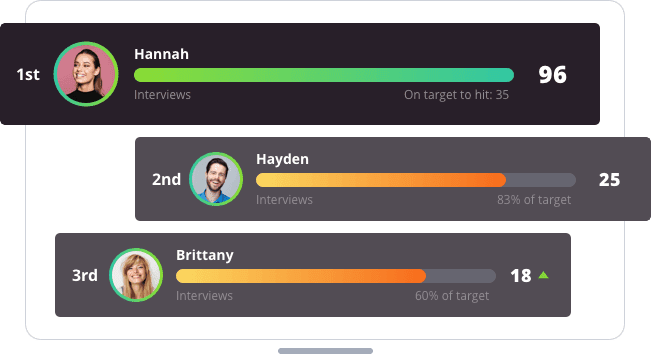
To run a successful recruitment competition, start by setting clear goals and rules. Decide what metrics you’ll track—such as number of hires, quality of candidates, or speed of placement—and communicate these to all participants. Use an engaging leaderboard to keep everyone updated on their progress and foster healthy competition.
A well-planned recruitment strategy not only boosts results but also reduces the time and money spent on training new hires.
Set Clear Goals and KPIs
Before launching a competition, define your goals clearly—recruiter engagement should be a top priority, supported by SMART goals that are easy to track and motivate both short- and long-term success. A well-defined recruitment strategy with clear job descriptions, effective job postings, and a structured selection process is essential to attract the right talent and stay ahead in recruitment competition. Including competitive compensation details in job postings and providing comprehensive hiring support can further optimize your recruitment efforts.
Track key performance indicators (KPIs) such as fill rate, time to fill, interview-to-placement rate, and recruiter activity to measure success. Distinguish between direct hire placements and temporary or contract staffing to align with your specific objectives. Monitoring the effectiveness of job postings, job titles, and the application process ensures you attract potential candidates with the right skills. Activities are especially valuable KPIs, as they directly boost recruiter engagement and performance.
Design and Visualize Your Contest
Visualizing data is crucial to motivating recruiters. Using gamified dashboards like Spinify transforms recruiter data into engaging contests and leaderboards, making progress visible and fostering friendly competition. Features such as leaderboards, elimination rounds, and point systems keep recruiters motivated by showing how their efforts contribute to goals.

Incorporate recruitment technology, automation tools, and job boards to expand your talent pool and streamline recruiting. Engaging current employees in employer branding and integrating collaboration tools like Microsoft Teams enhance motivation and team spirit. Regularly celebrating milestones and rewarding meaningful actions keep the momentum going, ensuring your recruitment agency competition drives better results and sustained recruiter engagement.
Key Steps to Running a Recruitment Competition
- Define Objectives: Set clear, measurable goals like increasing placements or reducing time-to-fill.
- Analyze Process: Identify bottlenecks and areas for improvement.
- Set KPIs: Choose relevant metrics such as fill rate and recruiter activity.
- Design Competition: Decide on format and gamification tools.
- Communicate Rules: Ensure all participants understand the contest.
- Visualize Progress: Use dashboards and leaderboards.
- Reward and Recognize: Offer meaningful incentives and celebrate milestones.
- Review and Optimize: Analyze results and refine future competitions.
By following these steps and leveraging technology and data visualization, your agency can create a dynamic, engaging environment that motivates recruiters and drives recruitment success.
The Results Speak for Themselves
James Hawley is the CEO of NextPath Career Partners, a national recruitment firm in Orlando, Florida. His team focuses on IT, Sales, Marketing, Finance, and Accounting, and Spinify has become an integral part of their daily routine. “It’s allowed us to take things that were offline and bring them online!” James says. It’s really become a powerful motivational tool for their team—so much so that he doesn’t think they could live without it at this point.
Employee Testimonials
James shares that his sales team’s engagement has skyrocketed since using Spinify. “They know if they do just a few extra activities, their name is celebrated on the leaderboard, and that’s something they eagerly anticipate!” The kudos they receive for climbing a couple of spots to number one create a really cool, competitive, and friendly environment that fuels their motivation daily.
Customization Keeps It Fresh and Exciting
The NextPath sales team loves Spinify’s customization features, calling it one of the coolest aspects. They run weekly contests with new leaderboard themes, keeping the experience fresh and interesting, drawing on creative ways to use Spinify’s sales dashboard to keep contests engaging. James appreciates the product’s versatility and customization, noting, “If you’re shopping around for gamification tools to drive and motivate your sales team, I would 100% recommend Spinify. I’ve looked at many products, and considering the price point, support, and customization options, Spinify stands out hands down!”
By sharing these authentic employee experiences and testimonials, your agency can strengthen its employer branding, showcasing a positive work culture that attracts top talent and keeps your team motivated and engaged, much like the culture highlighted on the team behind Spinify.
Candidate Sourcing Methods
Finding highly qualified candidates requires a strategic approach to candidate sourcing. Recruiters have a variety of methods at their disposal, each offering unique advantages for reaching the best candidates. Job boards like LinkedIn and Indeed remain popular platforms for posting job openings and attracting a wide range of applicants. These platforms allow recruiters to tap into a large talent pool and connect with candidates actively seeking new opportunities.
Social media channels such as Facebook and Twitter can help recruiters reach passive candidates who may not be actively looking but are open to the right opportunity. Employee referrals are another powerful sourcing method—current employees often know individuals who would be a great fit for the company culture and can recommend candidates who are likely to succeed.
Professional networks and industry-specific events also provide valuable opportunities to connect with qualified candidates. By combining these sourcing methods, recruiters can expand their reach, increase the diversity of their applicant pool, and improve their chances of finding the best candidates for every job.
Compensation and Benefits
Compensation
Understanding how tools like Spinify fit into your budget is also important, so reviewing pricing options for gamification platforms can help you align motivation initiatives with your compensation strategy.
Compensation plays a pivotal role in attracting and retaining top talent in today’s competitive job market. Job seekers are not only looking for a fair salary but also for a comprehensive benefits package and a positive work culture that supports their professional and personal growth. Employers must stay informed about industry standards and market trends to ensure their compensation packages are competitive for each position.
Benefits and Culture
Offering attractive benefits—such as health insurance, retirement plans, flexible work arrangements, and opportunities for professional development—can set your company apart and appeal to the best candidates. Non-monetary perks, like a supportive workplace culture and recognition programs, also contribute to employee satisfaction and retention.
By prioritizing compensation and benefits as part of your recruitment strategy, you demonstrate your commitment to valuing employees and building a workplace where top talent wants to stay and grow. This approach not only helps you attract the best candidates but also strengthens your employer brand in the industry.
Streamlining the Recruiting Process
A streamlined recruiting process is essential for attracting the best candidates and ensuring a positive experience for everyone involved. Recruiters can leverage technology, such as applicant tracking systems (ATS) and recruitment marketing platforms, to automate repetitive tasks and simplify the application process. These tools help reduce administrative burdens, minimize paperwork, and keep candidates informed at every stage.
Improving communication with candidates and providing timely feedback can enhance the overall candidate experience, making your company more attractive to top talent. Data analytics can also be used to monitor the recruiting process, identify bottlenecks, and highlight areas for improvement.
By streamlining the recruitment process, recruiters can reduce time-to-hire, increase efficiency, and ensure that the best candidates are not lost to competitors. A smooth and transparent application process reflects well on your company and helps you build a reputation as an employer of choice.
Employer Branding
Employer branding is a powerful tool in any recruitment strategy, helping businesses stand out and attract highly qualified candidates in a crowded job market. A strong employer brand communicates your company’s mission, values, and workplace culture, making it easier to connect with top talent who share your vision. Effective employer branding goes beyond job postings—it’s about consistently showcasing what makes your company a great place to work, whether through social media, employee testimonials, or community involvement.
Investing in employer branding not only draws in the best candidates but also helps retain current employees by fostering a sense of pride and belonging. Building long-term relationships with candidates is essential for creating a proactive talent pipeline, ensuring your company is prepared for future hiring needs and maintains a competitive edge in recruitment competition. Highlighting unique benefits, growth opportunities, and a positive work environment can set your company apart from competitors and build a reputation as an employer of choice. By making employer branding a core part of your recruitment strategy, you’ll strengthen your position in the market and attract the talent needed to drive your business forward. A positive candidate experience increases the likelihood of job acceptance, while a negative experience can turn top talent away.
Recruitment Strategy, Technology and Tools
Recruitment technology and tools have revolutionized the way hiring managers approach the recruitment process, making it easier than ever to connect with the best candidates for job openings. In today’s fast-paced job market, leveraging the right technology is essential for businesses looking to gain a competitive edge and streamline their recruiting efforts.
Modern recruitment tools, such as applicant tracking systems (ATS), AI-powered candidate sourcing platforms, and automated job posting solutions, help hiring managers efficiently manage every stage of the recruitment process. These technologies enable recruiters to quickly sift through large volumes of applications, identify highly qualified candidates, and ensure that top talent doesn’t slip through the cracks.
Video interviewing platforms and digital assessment tools also play a big role in enhancing the candidate experience and allowing managers to evaluate skills and cultural fit before making a job offer. By integrating these tools into their recruiting strategy, agencies can reduce time-to-hire, improve the quality of their applicant pool, and make data-driven decisions that move their business forward.
The benefits of recruitment technology are clear: faster hiring, better candidate matches, and a more organized recruitment process. For hiring managers and recruiters, adopting these tools means staying ahead in a competitive market, attracting the best talent, and ensuring that every job opening is filled with the right candidate. By embracing digital solutions, including AI-powered personalization tools like Spinify Sidekick, recruitment agencies can optimize their recruiting efforts and deliver outstanding results for both clients and job seekers.
Creating a Talent Magnet
In today’s competitive job market, becoming a talent magnet is essential for companies that want to attract, engage, and retain top talent. A talent magnet is an organization that consistently draws in highly qualified candidates by offering more than just a job—it provides a compelling workplace culture, meaningful benefits, and opportunities for growth. Hiring managers and recruiters play a big role in shaping this environment by developing recruitment strategies that highlight what makes the company unique.
To start, employers should evaluate their current company culture and identify ways to make it more positive and inclusive. This might involve gathering feedback from employees, conducting surveys, and implementing changes that foster a supportive and engaging workplace. A strong employer brand, built on clear communication of the company’s mission, values, and core benefits, helps set the organization apart in the eyes of job seekers.
Recruiting efforts should focus on creating job postings that accurately reflect the company culture and the opportunities available. Well-crafted job descriptions not only outline the required skills and responsibilities but also showcase the benefits of joining the team. Utilizing a variety of job boards and social media platforms expands the reach to a broader talent pool, increasing the chances of connecting with qualified candidates.
Offering competitive compensation and benefits packages, along with ongoing training and development, demonstrates a commitment to employee success and growth. Recognizing and rewarding achievements further boosts engagement and helps retain top performers. By investing in these areas, companies can overcome hiring challenges, attract potential candidates who are a great fit, and build a reputation as an employer of choice.
Ultimately, creating a talent magnet requires a strategic focus on people, culture, and continuous improvement. When hiring managers and recruiters work together to promote a positive work environment and leverage effective recruiting strategies, the company gains a competitive edge—attracting the best talent and driving long-term business success.
Hiring Support and Resources
Navigating the recruitment process can be complex, but hiring support and resources are available to help businesses and hiring managers overcome common hiring challenges. Leveraging tools such as applicant tracking systems, recruitment software, and staffing agencies can streamline the hiring process, making it easier to identify and connect with qualified candidates. These resources help recruiters and managers manage job postings, track applicants, and ensure a smooth transition for new employees.
In addition to technology, tapping into recruitment guides, industry webinars, and up-to-date reports can provide valuable insights and best practices for refining your recruitment strategy. These resources empower hiring managers and recruiters to stay informed about industry trends, improve their recruitment efforts, and make data-driven decisions.
Partnering with recruitment professionals or hiring experts can also offer personalized guidance, helping you build a strong talent pipeline and achieve your hiring goals. By utilizing a combination of technology, expert advice, and educational resources, businesses can enhance their recruitment process, attract top talent, and ensure long-term success for both employees and the company—an approach mirrored in how organizations join the Spinify team to shape the future of gamification.
Overcoming Hiring Challenges
Every business faces hiring challenges, whether it’s attracting qualified candidates, crafting effective job postings, or competing in a crowded job market. The key to overcoming these obstacles is a strategic and proactive approach. Hiring managers and recruiters should start by identifying the specific challenges they face—such as a limited talent pool, a slow application process, or limited visibility on job boards.
Once the root causes are clear, targeted solutions can be implemented. For example, expanding your reach through niche job boards, leveraging employee referrals, and utilizing social media can help connect with a broader range of potential candidates. Streamlining the application process and adopting AI-powered recruitment tools can reduce hiring timelines and improve the candidate experience, making your company more attractive to top talent.
Additionally, focusing on building a strong employer brand and showcasing your company culture in job postings can help attract highly qualified candidates who are a great fit for your organization. Offering competitive benefits and clear growth opportunities further sets your business apart in the recruitment competition. By addressing hiring challenges head-on, companies can build a robust talent pipeline, secure the best candidates for open positions, and drive business growth in a competitive market.
Measuring Recruitment Success
Measuring recruitment success is vital for understanding the effectiveness of your recruitment strategy and making informed decisions for future hiring. Recruiters should track key metrics, such as time-to-hire, cost-per-hire, and source of hire, to evaluate how efficiently they attract and select candidates. Additionally, monitoring candidate satisfaction, employee retention rates, and return on investment (ROI) provides a comprehensive view of the recruitment process.
Regularly analyzing these metrics allows recruiters to identify strengths and areas for improvement, ensuring that the recruitment process continues to evolve and deliver the best candidates for each job. By focusing on measurable outcomes, recruiters can optimize their strategies, reduce costs, and enhance the overall success of their hiring efforts.
Ultimately, a data-driven approach to measuring recruitment success helps agencies and employers stay competitive, attract top talent, and build high-performing teams that drive business growth.
Staying Ahead of the Curve
To maintain a competitive edge in recruitment, businesses must stay ahead of the curve by embracing innovation, adaptability, and continuous improvement. Hiring managers and recruiters should stay up to date with the latest trends and technologies—such as artificial intelligence, virtual reality, and advanced recruitment analytics—to enhance their recruitment efforts and engage top talent more effectively.
Fostering a positive and inclusive company culture is equally important, as it attracts a diverse pool of candidates and supports long-term employee relationships. Providing ongoing training and development opportunities, along with competitive compensation and benefits, helps retain top performers and reduces turnover.
Building strong relationships with candidates—even those not immediately hired—ensures a steady talent pipeline for future job openings. By prioritizing diversity, equity, and inclusion, and by leveraging new tools and best practices, businesses can adapt to changes in the job market, overcome hiring challenges, and achieve lasting recruitment success. Staying ahead of the curve means your company is always ready to attract, hire, and retain the best talent, driving your business forward in any market condition.
Onboarding and Retention
Onboarding and retention are critical steps in the recruitment process that ensure your investment in new talent pays off. Once you’ve hired top talent, a well-structured onboarding program helps new employees feel welcome, supported, and prepared to contribute to the team. Integrating each new hire effectively through onboarding activities, such as providing a warm welcome and utilizing onboarding software tools, ensures they are set up for success from the start. This includes comprehensive training, clear communication of job expectations, and opportunities to connect with colleagues and the company culture. Regular follow-up conversations during onboarding can help retain employees and ensure they feel supported.
Retention strategies are equally important for keeping your best employees engaged and motivated over the long term. Providing regular feedback, career development opportunities, and competitive benefits can boost job satisfaction and reduce turnover. By focusing on both onboarding and retention, companies can build a loyal, high-performing team, minimize recruitment costs, and maintain a strong reputation in the job market. Investing in your employees’ success from day one is key to sustaining growth and achieving long-term recruitment success.
Keep the Motivation Going
Finally, you can integrate the contest features into your daily routine.
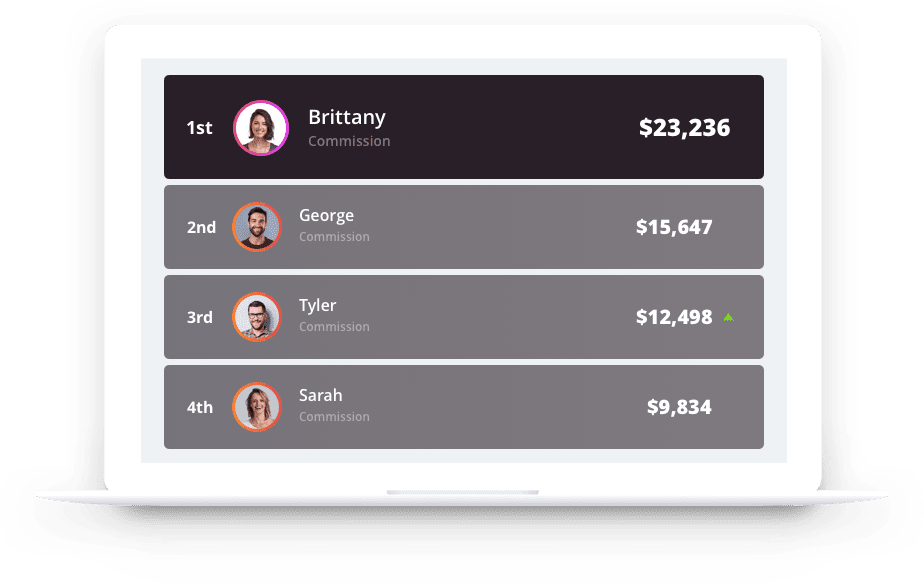
- Give points for meaningful actions such as increasing the candidate pipeline and successfully filling open positions.
- Set up tiers and levels for recruiters to go through on their way to meeting the target.
- You can even let your recruiters choose special celebratory music. Spinify will play it every time they reach a milestone, and you can draw on leaderboard celebration ideas to recognize top performers in memorable ways, especially when you pair them with a SaaS sales gamification platform to boost performance across locations and teams.
And while a bit of healthy recruitment agency competitions are great for contests when you want to boost your numbers quickly, creative sales contest ideas that actually boost results can inspire formats you adapt for your recruiters, and it works like a charm when you add it to your standard success formula.
After all, your recruitment agency’s success depends on your recruiters, so exploring team motivation and engagement strategies along with the best of Spinify gamification resources and implementing dedicated sales gamification software solutions can help you keep performance high.