#1 Sales Gamification on G2 — 4.6★ from 854+ verified reviews.
  Log in
Introducing The KPI Visibility Trap
Key performance indicators (KPIs) are the bedrock of most sales organizations. Yet despite flashy dashboards, daily standups, and relentless tracking, salespeople often seem unmoved by numbers alone. Why does KPI visibility so often fail to inspire sales teams?
Let’s explore why sales reps tune out data, the risks of falling into the KPI visibility trap, and what actually motivates high performance.
The Allure of Visibility—and Its Limits
Many organizations assume that simply making data visible will lead to better outcomes. The belief is that if salespeople can see their numbers clearly, they will naturally be motivated to improve. However, this assumption overlooks a critical factor: visibility alone doesn’t guarantee engagement. When KPIs are presented without meaningful context or connection to the sales reps’ daily work, they become just numbers on a screen—detached and uninspiring.
The KPI visibility trap lies in this disconnect. Without understanding why the data matters or how it impacts their goals, salespeople often ignore the metrics. True visibility must be paired with relevance and storytelling to transform data into motivation and meaningful action.
Why Salespeople Don’t Care About Numbers
For many sales reps, dashboards overflowing with metrics feel like noise rather than useful tools. When numbers aren’t linked to their personal goals, customer needs, or tangible outcomes, they can seem abstract and irrelevant. This lack of connection makes it difficult for reps to see the value in tracking their performance or striving for improvement.
Salespeople want KPIs that resonate with their real-world challenges and successes. They need data that tells a story about their impact, progress, and potential growth. Without this, numbers become just another management requirement rather than a source of inspiration and empowerment.
The Right KPIs vs. Too Many Metrics
Overloading sales teams with endless metrics can be overwhelming and counterproductive. When faced with a flood of data, reps struggle to identify which KPIs truly matter to their role and objectives. This often leads to confusion, frustration, and disengagement.

The key is prioritizing a focused set of KPIs that align with the sales team’s goals, customer priorities, and company strategy. A key performance indicator is a quantifiable metric that measures progress toward specific business objectives and is essential for tracking strategic and operational success. By highlighting the most important metrics—remembering that only what is measured can be managed or improved—organizations help reps concentrate their efforts on what drives real results, fostering clarity, motivation, and a stronger sense of purpose.
The Two-Way Street: Data Needs Dialogue
Visibility is a two-way street. Effective managers encourage team members to discuss, question, and personalize KPIs, turning numbers into actionable insights instead of static scores. This dialogue fosters a culture where data is not just displayed but understood and owned. Salespeople feel empowered when they can voice concerns, suggest improvements, and see how their input shapes the metrics they track.
Engaging in open conversations about KPIs also helps uncover hidden challenges and opportunities. When reps collaborate with managers to interpret data, they develop a deeper connection to their goals, increasing motivation and driving better performance. Data becomes a tool for growth, not just evaluation.
Business Outcomes First, Numbers Second
Sales teams thrive when KPIs are directly tied to strategic objectives and business outcomes—like customer satisfaction, new customers acquired, or career development. Numbers gain meaning when they reflect real-world impact, showing reps how their efforts contribute to company success and personal growth.
Focusing on outcomes rather than raw metrics helps salespeople prioritize activities that truly matter. This approach shifts the mindset from chasing arbitrary numbers to delivering value, fostering a sense of purpose and satisfaction that fuels sustained high performance.
Leading and Lagging Indicators: Striking the Right Balance
Great sales organizations use a mix of leading indicators (activities that predict results) and lagging indicators (outcomes achieved). Leading indicators like calls made or meetings booked provide immediate feedback, guiding daily actions. Lagging indicators such as revenue or closed deals measure longer-term success. Together, these indicators help determine whether the team is on track to meet its goals.
Balancing these indicators ensures teams stay focused on both short-term execution and strategic goals. This dual approach helps salespeople understand how their daily efforts translate into meaningful business results, creating a continuous feedback loop that drives improvement.
KPI Context Is Key
The most valuable KPIs are those that connect individual efforts to the broader organizational goals. HubSpot, for example, excels at showing reps how every action impacts the entire company. Context transforms raw data into a narrative that highlights purpose and progress.
Providing context helps salespeople see beyond numbers, understanding the “why” behind their metrics. This clarity fosters engagement, turning KPIs into motivating stories that align personal achievements with company success.
KPIs as a Source of Accountability

KPIs should serve as tools that empower salespeople rather than micromanage them. Google’s OKR (Objectives and Key Results) framework exemplifies this by fostering a sense of ownership and accountability. When team members feel safe to take responsibility for their targets, they’re more motivated to achieve them and innovate in their approach. This culture of trust encourages proactive problem-solving and continuous improvement, rather than fear of failure.
By embracing accountability through clear, meaningful KPIs, sales teams gain clarity on expectations and can confidently track progress. This not only drives individual performance but also aligns the entire team toward shared strategic objectives, creating a cohesive and motivated workforce.
The Danger of “Metric Overload”
When every metric is tracked, it becomes difficult to discern what truly matters. This phenomenon, often called “metric overload,” can overwhelm sales teams, causing confusion and disengagement. Sales teams typically feel less motivated and more stressed when faced with too many metrics to monitor. Prioritizing a small set of critical KPIs—such as closed deals, pipeline health, and customer feedback—helps focus efforts on what drives real business value.
By simplifying the data landscape, organizations enable salespeople to concentrate on actionable insights that impact their daily work. This clarity reduces stress, increases motivation, and fosters better decision making, ultimately improving both individual and team effectiveness.
Transparency Isn’t Enough—Storytelling Matters
Simply making KPIs visible isn’t sufficient to engage sales teams; storytelling is essential to bring the data to life. Microsoft leaders, for example, pair KPIs with real-world examples and customer success stories, illustrating how individual contributions lead to meaningful outcomes. This narrative approach makes numbers relatable and memorable. By using storytelling, KPI communication becomes more transparent and relatable, helping teams clearly understand the impact of their work.
Storytelling transforms abstract metrics into motivating stories that connect sales reps emotionally to their work. When reps see how their efforts help customers and drive business success, KPIs become a source of inspiration rather than just data points, fostering deeper engagement and commitment.
The Power of Recognition

Recognition turns abstract progress into tangible motivation by celebrating achievements publicly. Whether in daily standups or on a sales leaderboard, highlighting wins energizes teams and reinforces positive behaviors. Public acknowledgment validates effort and builds a culture where success is shared and valued.
Beyond motivating top performers, recognition encourages all team members to strive for improvement and feel appreciated. This inclusive approach fosters a supportive environment that sustains morale, drives engagement, and ultimately boosts sales performance across the board.
Measuring What Matters to the Team
Not every KPI holds the same weight for every sales team. To truly engage your reps, involve them in selecting KPIs that reflect their daily challenges and successes. Clearly define which KPIs are most relevant to the team to ensure everyone understands what is being measured and why. When salespeople see their input shaping the metrics, they feel a stronger connection and ownership, boosting motivation and accountability.
By aligning KPIs with the team’s unique priorities, you create relevance and clarity. This collaborative approach ensures that the data tracked isn’t just numbers but meaningful indicators that drive real progress and foster a shared sense of purpose.
KPIs as a Tool for Career Development
KPIs can transcend mere performance tracking—they can serve as milestones on a sales rep’s career journey. Companies like Salesforce link key metrics with clear career pathways, showing reps how mastering specific skills and achieving targets open doors to advancement.
This connection between KPIs and personal growth empowers salespeople to see their work as a stepping stone to greater opportunities. When reps understand that hitting their numbers also means developing valuable skills, motivation deepens, and engagement transforms into long-term commitment.
Leading Indicators Drive Daily Action
Leading indicators act as the compass guiding sales reps’ day-to-day activities. Metrics like calls made or meetings booked provide immediate feedback and clear targets, helping reps focus on behaviors that directly influence outcomes.
By emphasizing leading indicators, teams avoid passively waiting for lagging results like closed deals. This proactive focus cultivates momentum, encouraging reps to take ownership of their daily efforts and understand how small actions accumulate into significant business success.
Personalizing KPI Dashboards
Modern sales gamification tools, such as Spinify, revolutionize how reps interact with data by tailoring dashboards to individual strengths and goals. Personalization transforms abstract numbers into actionable insights, making KPIs feel relevant and motivating.
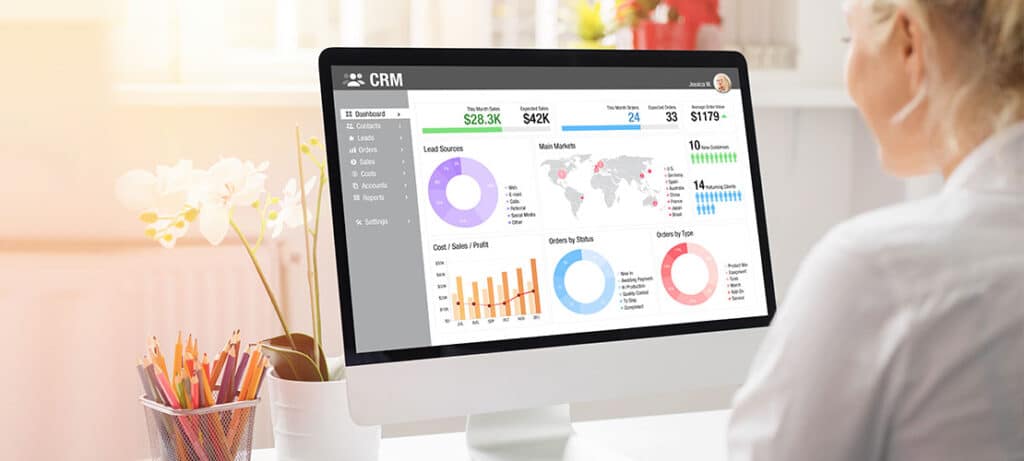
When reps can track metrics aligned with their development areas, they engage more deeply with their progress. This customization fosters a sense of empowerment, turning data into a dynamic tool that supports continuous improvement and celebrates unique contributions.
Bridging the Gap Between Data and Motivation
To escape the KPI visibility trap, leaders must connect metrics to intrinsic motivation. Numbers alone rarely inspire; it’s the link to purpose, progress, and recognition that sparks engagement.
By framing KPIs within stories of impact and growth, sales leaders transform data into a powerful motivator. When reps see how their efforts contribute to team success and personal achievement, metrics become meaningful milestones fueling sustained enthusiasm and performance. This connection also supports making decisions, as salespeople can use KPIs to guide their actions and choose strategies that align with both organizational goals and personal motivation.
Recognizing Team Effort, Not Just Top Performers
Rewarding only top performers risks alienating the rest of the team, potentially dampening overall morale. Celebrating progress, effort, and improvement across all levels fosters a culture where everyone feels valued and motivated. Recognizing diverse achievements encourages collaboration and resilience, strengthening team dynamics.
When team members see their hard work acknowledged, regardless of their rank, it cultivates a supportive environment that drives sustained performance. This inclusive recognition approach transforms KPIs from mere targets into shared milestones, inspiring collective success and continuous growth.
Aligning KPIs With Company Values
KPIs aligned with company values ensure that every metric supports the broader mission, reinforcing organizational purpose beyond short-term gains. This alignment helps salespeople understand how their efforts contribute to the company’s vision, fostering deeper engagement and commitment.
Making the alignment of KPIs with values an ongoing practice ensures that these principles are consistently reflected in daily operations and decision-making.
By embedding core values into KPIs, organizations create meaningful measures that reflect ethical standards, customer focus, and long-term strategy. This connection transforms data tracking into a purposeful activity, motivating teams to deliver outcomes that matter both to the business and its stakeholders.
Aligning KPIs with Strategic Objectives
Aligning key performance indicators with strategic objectives is the foundation for driving meaningful business outcomes. When KPIs are directly linked to what matters most—such as acquiring new customers, boosting customer satisfaction, or enhancing job satisfaction among employees—every member of the sales team can see how their daily actions contribute to the bigger picture. This focused approach ensures that the right KPIs are chosen, supporting the organization’s strategy and making it easier to track progress toward intended results.
For example, if a sales team’s strategic objective is to expand into a new market segment, KPIs might include leading indicators like the number of qualified leads generated and lagging indicators such as revenue from new customers. By tracking both, organizations can measure not only the immediate activities but also the long-term impact on business performance. This alignment creates clarity, motivates teams, and supports better decision making, ensuring that every effort is aimed at achieving critical business goals and delivering better outcomes for both customers and employees.

The Role of Managers in KPI Engagement
Managers play a critical role in turning KPI visibility into meaningful engagement. Beyond displaying data, they must coach reps to interpret metrics, challenge assumptions, and encourage ownership of their numbers. Regular reports are used by managers to provide feedback and context, ensuring that progress and achievements are clearly communicated. This hands-on approach empowers salespeople to use KPIs as tools for informed decision making and personal growth.
Effective managers foster open dialogue around KPIs, helping reps connect numbers to real-world impact. By providing context, feedback, and support, managers transform KPIs from abstract figures into actionable insights that drive motivation, accountability, and continuous improvement.
Measuring Customer and Job Satisfaction
Including customer satisfaction and job satisfaction as key KPIs reflects a holistic view of sales success. Marketing metrics can also be key KPIs, providing valuable insights into how marketing strategies contribute to overall business performance. Happy customers signal strong relationships and repeat business, while satisfied employees tend to be more engaged, productive, and loyal. Tracking both metrics ensures balanced focus on external and internal health.
By measuring these satisfaction indicators, organizations can identify areas for improvement that directly affect performance and retention. This dual emphasis fosters a positive cycle where motivated employees deliver exceptional service, leading to delighted customers and sustainable business growth.
Risk Factors: When KPIs Become a Burden
KPIs can quickly shift from motivators to stressors when they feel like punitive measures rather than tools for growth. Salespeople may experience burnout or disengagement if pressured to meet unrealistic targets without support or context. It’s essential to monitor these risk factors closely, as doing so can reveal important information about team well-being, and adjust KPIs to maintain a healthy balance between challenge and achievability.
Recognizing when KPIs become a burden allows managers to intervene early, offering coaching, resources, or recalibrating goals. This proactive approach prevents demotivation and helps sustain long-term performance and job satisfaction, turning KPIs into positive drivers rather than obstacles.
Implementing a KPI System
Implementing a KPI system is more than just selecting a few metrics—it’s about building a process that supports your strategic objectives and drives real business outcomes. Start by defining KPIs that are specific, measurable, achievable, relevant, and time-bound, ensuring they provide valuable insights into performance. Consider the needs of your audience, including employees, customers, and other stakeholders, and design your reporting processes to keep everyone informed and engaged.
Transparency is essential: regular daily standups and open reporting help maintain visibility and foster a culture of accountability. Encourage collaboration by creating an environment where workers feel safe to share feedback and discuss progress, making it easier to address challenges and celebrate wins. As business goals and strategies evolve, regularly review and adjust your KPIs to ensure they remain aligned with your organization’s direction. By supporting open communication and continuous improvement, your KPI system becomes a powerful tool for tracking progress, enhancing effectiveness, and achieving strategic objectives.
Adapting KPIs as Teams and Markets Change
Markets and teams are dynamic, so KPIs must evolve to stay relevant. Agile organizations like Shopify regularly evaluate their metrics to reflect new data, shifting customer needs, and strategic priorities. This adaptability ensures KPIs remain aligned with current business goals and provide meaningful insights.
By involving sales teams in this process, companies create a culture of continuous improvement. Salespeople understand the rationale behind changes, feel ownership over their goals, and can better adapt their processes to meet emerging challenges and opportunities.
Integrating KPIs Into Daily Routines
Embedding KPIs into daily routines reinforces their importance and keeps teams focused on what matters most. Sharing data during morning meetings, one-on-ones, and friendly sales contests turns numbers into living, breathing parts of the sales culture. Sharing a daily report can help keep KPIs top of mind for everyone on the team.
This regular exposure helps salespeople internalize their goals and see how everyday activities contribute to broader business outcomes. It also encourages ongoing dialogue, allowing managers and reps to evaluate progress, celebrate wins, and course-correct quickly when needed.
Turning Data Into Action
Raw data alone doesn’t drive results—it’s the interpretation and application that matter. Sales leaders must help teams translate KPIs into concrete daily actions, making it clear how each call, email, or meeting contributes to achieving strategic business goals.
This connection empowers reps to prioritize effectively, focus their efforts on high-impact activities, and feel confident that their work moves the needle. When data becomes actionable, it transforms from abstract numbers into a powerful tool for driving better decisions and sustained success.
Best Practices for KPI Management
Successful KPI management is built on a few key practices that help organizations get the most value from their metrics. First, focus on a select group of KPIs that are tightly connected to your strategic objectives—this prevents overwhelm and keeps teams focused on what truly matters. Regularly review and update your KPIs to reflect changes in the business environment or shifts in strategy, ensuring they stay relevant and impactful.
Transparency and accountability are crucial: clearly communicate KPIs to all team members and stakeholders, and establish processes to address any issues or discrepancies that arise. Use a mix of leading and lagging indicators to gain a comprehensive view of performance, enabling proactive and better decision making. Finally, invest in developing the skills and knowledge of your team, as their expertise is critical for defining, measuring, and analyzing KPIs effectively. By following these best practices, organizations can create a KPI management system that drives performance, supports customer and employee satisfaction, and delivers lasting business success.
Recognizing the Value of Both Leading and Lagging Indicators
Balance is key: use leading indicators for immediate focus and lagging indicators for long-term evaluation and accountability. Leading indicators, such as calls made or meetings scheduled, provide real-time feedback that helps sales reps adjust their daily actions and stay on track toward their goals. These metrics act as early signals, guiding behavior and driving momentum in the short term.
Meanwhile, lagging indicators measure the results of those efforts, like revenue generated or deals closed, offering a comprehensive view of success over time. By valuing both types of indicators, organizations create a balanced approach that supports continuous improvement and sustained performance.
Celebrating Small Wins Along the Way
Momentum builds when teams celebrate small victories—not just the end result. Recognizing achievements like securing a new lead or hitting a weekly target boosts morale and reinforces positive behaviors. These celebrations create a culture where progress is visible and valued, keeping motivation high even during challenging periods.

Small wins also provide tangible proof that efforts are paying off, encouraging reps to stay engaged and focused. By highlighting incremental successes, organizations foster a supportive environment that nurtures confidence, resilience, and a shared commitment to reaching larger goals.
Measuring Skills and Behaviors, Not Just Outcomes
The best KPIs address both what gets done and how it gets done—capturing skills like communication, collaboration, and resilience. Measuring behaviors alongside outcomes ensures a holistic view of performance, emphasizing the importance of process and personal growth in achieving results.
This approach encourages sales reps to develop essential soft skills that enhance customer relationships and team dynamics. By valuing these qualities, organizations promote a culture of continuous learning and improvement, leading to stronger, more adaptable teams that excel in both individual and collective success.
Empowering Teams With More Transparency
Transparency should mean more than just visibility—it should empower reps to ask questions, seek feedback, and influence which metrics matter. When salespeople understand not only the numbers but also the reasons behind them, they feel more engaged and accountable for their performance.
Empowering teams with transparency fosters open dialogue and collaboration, enabling reps to contribute ideas that refine KPIs and improve processes. This inclusive approach builds trust and ownership, transforming data from a top-down mandate into a shared resource that drives meaningful action and growth.
The Role of Technology in KPI Management
Technology has become an indispensable ally in KPI management, offering tools that streamline every step of the process—from data collection and integration to reporting and analysis. Business intelligence platforms and real-time dashboards empower managers and leaders to track performance at a glance, making it easier to spot trends, identify opportunities, and make informed decisions that support strategic objectives.
Advanced analytics and machine learning can take KPI management to the next level, predicting future outcomes based on historical data and helping organizations stay ahead of the curve. Technology also enhances transparency and collaboration by making KPI data accessible to all relevant stakeholders, fostering a culture of openness and shared accountability. However, it’s important to strike the right balance: while technology can greatly improve effectiveness and efficiency, human judgment and insight remain essential for interpreting data and making the best decisions. By leveraging technology thoughtfully, organizations can create a robust KPI management system that drives better outcomes and supports ongoing business growth.
Creating a KPI Culture, Not a KPI Checklist
Build a KPI culture where metrics inspire learning, growth, and collaboration—not just compliance or reporting. A thriving KPI culture encourages curiosity and experimentation, inviting sales teams to explore how data can inform smarter strategies and better customer interactions.
Rather than viewing KPIs as a checklist to complete, reps see them as tools for personal and professional development. This mindset shift cultivates an environment where continuous improvement is celebrated, teamwork is strengthened, and performance naturally elevates, making KPIs a catalyst for lasting success.
Make KPIs Matter With Spinify
Don’t fall into the KPI visibility trap. With the right mix of context, recognition, and collaboration, KPIs become a source of motivation, growth, and better business outcomes. Spinify’s gamified dashboards, customizable metrics, and instant recognition bridge the gap between data and action, turning every number into a motivator for your sales team.
Ready to inspire your team with KPIs that actually matter? Try Spinify today and discover the difference for yourself!